
Guinness And Chocolate Cheesecake 2
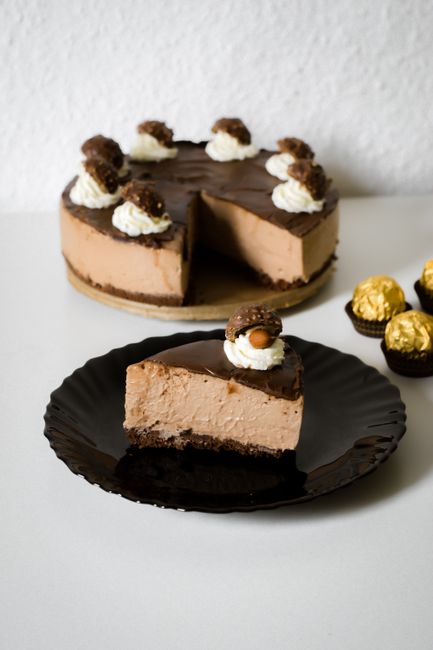
Guinness Chocolate Cheesecake: A Deep Dive into Flavor, Pairing, and Perfect Execution
The rich, malty depths of Guinness stout and the decadent sweetness of chocolate, when combined in a cheesecake, create a flavor profile that is both sophisticated and deeply satisfying. This culinary fusion is not merely a dessert; it’s an experience, a testament to the power of contrasting yet complementary ingredients. The inherent bitterness and roasted notes of Guinness cut through the creamy sweetness of the cheesecake base, while the chocolate provides a luxurious counterpoint, adding layers of complexity. Achieving the perfect Guinness chocolate cheesecake requires an understanding of ingredient synergy, precise technique, and a keen appreciation for balanced flavor. This article will explore the nuances of this iconic dessert, from the optimal beer and chocolate choices to the baking process and serving suggestions, aiming to equip both novice and experienced bakers with the knowledge to create an exceptional treat.
The Foundation: Crafting the Ideal Crust
The crust of any cheesecake is its bedrock, and for a Guinness chocolate cheesecake, the choice of cookie and its preparation are paramount. While a traditional graham cracker crust is often employed, a more robust and complementary option is a dark chocolate cookie crust. Oreos, with their distinctive chocolate flavor and slight crispness, or even finely crushed chocolate digestives, offer a superior base that echoes the chocolate elements within the filling. The key to a successful crust lies in achieving the right moisture content. Melted butter acts as the binder, ensuring the crumbs hold together without becoming greasy. A common ratio is roughly 2 parts cookie crumbs to 1 part melted butter. For those seeking an even deeper chocolate experience, a tablespoon or two of unsweetened cocoa powder can be incorporated into the dry ingredients before adding the butter. Pressing the crust firmly and evenly into the springform pan is crucial for structural integrity, preventing crumbling during slicing and serving. Pre-baking the crust for a short period, typically 8-10 minutes at 350°F (175°C), helps to set it and prevent a soggy bottom, especially important when dealing with a moist cheesecake filling.
The Heart of the Matter: The Guinness and Chocolate Infusion
The cheesecake filling is where the magic truly happens. A classic New York-style cheesecake base, characterized by its density and creamy texture, forms the ideal canvas for the Guinness and chocolate. This typically involves cream cheese, sugar, eggs, and a touch of sour cream or heavy cream. The crucial element is the integration of Guinness and chocolate. The Guinness can be incorporated in two primary ways: by reducing the stout to a syrup or by adding it directly to the batter. Reducing the Guinness concentrates its flavor, intensifying the malty, roasted notes and minimizing excess liquid, which can compromise the cheesecake’s texture. This reduction process typically involves simmering a portion of Guinness (e.g., 1-2 cups) until it has significantly reduced in volume, forming a dark, syrupy liquid. This concentrated Guinness syrup is then cooled before being added to the cream cheese mixture.
The chocolate element can be introduced in various forms. Melted dark chocolate, with a cocoa content of 60-70%, offers the best balance of richness and slight bitterness to complement the Guinness. Milk chocolate can be too sweet and overpower the subtler notes of the stout. White chocolate, while offering sweetness and creaminess, deviates from the intended flavor profile. The melted chocolate should be incorporated smoothly into the cream cheese mixture, ensuring no streaks or lumps. Overmixing the batter after adding the eggs should be avoided, as this can introduce too much air, leading to cracks during baking. A gentle folding motion is preferred.
The Symphony of Flavors: Balancing the Stout and Cocoa
Achieving the perfect balance between the Guinness and chocolate is the ultimate challenge and the mark of a truly exceptional cheesecake. Too much Guinness can lead to a bitter, overpowering flavor and a potentially compromised texture. Too little, and its distinctive character will be lost. Similarly, the type and quantity of chocolate will dictate the overall richness and sweetness. A common approach is to use a substantial amount of dark chocolate, perhaps 6-8 ounces, and a generous portion of reduced Guinness, ranging from 1/4 to 1/2 cup, depending on personal preference and the strength of the reduction.
The sour cream or heavy cream in the filling also plays a role in tempering the intensity of both the Guinness and chocolate, adding a luxurious silkiness and ensuring a smooth, unctuous mouthfeel. The eggs, acting as binders and enrichers, contribute to the cheesecake’s structure and creamy consistency. Some recipes might call for a touch of vanilla extract to enhance the overall flavor profile, though it should be used judiciously to avoid masking the primary flavors.
The Art of Baking: Techniques for a Crack-Free, Perfectly Baked Cheesecake
Baking a cheesecake is an exercise in patience and controlled temperature. The primary enemy of a perfectly baked cheesecake is rapid temperature fluctuations, which can lead to cracking and an uneven texture. The most effective method for ensuring a consistently baked, creamy cheesecake is the water bath (bain-marie). This involves wrapping the springform pan tightly in foil to prevent water leakage and placing it within a larger baking pan filled with hot water. The water bath creates a humid environment, promoting even heat distribution and gentle cooking, which is essential for preventing the edges from overcooking before the center is set.
The oven temperature for a Guinness chocolate cheesecake is typically set relatively low, around 325°F (160°C) to 350°F (175°C). The baking time can vary significantly depending on the oven and the size of the cheesecake, but it typically ranges from 60 to 90 minutes. The cheesecake is considered done when the edges are set and slightly puffed, but the center still has a slight jiggle – akin to a barely set custard. Overbaking is a common mistake that leads to a dry, rubbery cheesecake.
Once baked, the cheesecake should not be removed from the oven immediately. A crucial step is to turn off the oven and leave the cheesecake inside with the door slightly ajar for about an hour. This gradual cooling process further prevents drastic temperature changes and minimizes the risk of cracking. After this initial cooling period in the oven, the cheesecake should be removed and allowed to cool completely on a wire rack at room temperature. Finally, it must be chilled in the refrigerator for a minimum of 6-8 hours, or preferably overnight, to allow the flavors to meld and the texture to fully set.
The Finishing Touches: Garnishes and Pairings
While a well-executed Guinness chocolate cheesecake is a triumph on its own, thoughtful garnishes can elevate its presentation and flavor further. A dollop of freshly whipped cream is a classic accompaniment, its lightness providing a welcome contrast to the rich cheesecake. For a more sophisticated touch, a drizzle of more reduced Guinness syrup or a dark chocolate ganache can be applied. Chocolate shavings, cocoa nibs, or even a sprinkle of flaky sea salt can add texture and subtle flavor enhancements.
When it comes to beverage pairings, the obvious choice is, of course, more Guinness. The stout’s inherent characteristics will complement and enhance the flavors within the cheesecake. However, other dark beers, such as stouts, porters, or even a robust imperial stout, can also be excellent companions. For those who prefer non-alcoholic options, a strong, brewed coffee or an espresso can cut through the richness and highlight the chocolate notes. A glass of port wine or a rich, dark rum can also create an interesting and decadent pairing.
Troubleshooting Common Issues
- Cracked Cheesecake: This is the most frequent concern for cheesecake bakers. As mentioned, the water bath, gradual cooling, and avoiding overmixing are key preventative measures. If a crack does occur, it is usually cosmetic and does not affect the flavor. Garnishes can effectively mask minor cracks.
- Watery Cheesecake: This often stems from excess liquid in the batter, insufficient baking, or water seeping into the pan during the water bath. Ensure the springform pan is securely wrapped in foil. Baking until the center is just set is crucial.
- Rubbery Texture: This is a sign of overbaking. Pay close attention to the visual cues of doneness – a slight jiggle in the center.
- Bitter Taste: This can indicate too much Guinness or a high cocoa content in the chocolate. Adjusting the quantities in future attempts and using a good quality dark chocolate are important.
Conclusion
The Guinness chocolate cheesecake is a testament to the art of flavor pairing and culinary innovation. By understanding the nuances of each component – from the rich maltiness of the stout to the decadent sweetness of chocolate, and the creamy foundation of the cheesecake itself – bakers can create a dessert that is both complex and utterly irresistible. The pursuit of a perfectly baked, crack-free masterpiece is a rewarding journey, and with the techniques and insights provided, any enthusiast can embark on creating their own exceptional rendition of this beloved treat. The balance of bitter, sweet, and creamy, punctuated by the distinctive character of Guinness, makes this cheesecake a truly memorable indulgence, worthy of any occasion.
