
Tag Lunar New Year
Lunar New Year: A Deep Dive into Traditions, Symbolism, and Global Celebrations
The Lunar New Year, also known as the Spring Festival in China and Seollal in Korea, Tet Nguyen Dan in Vietnam, and Losar in Tibet and among other Himalayan communities, marks the beginning of a new lunisolar year. Unlike the Gregorian calendar’s fixed January 1st, the Lunar New Year’s date fluctuates annually, typically falling between late January and mid-February, dictated by the cycles of the moon. This ancient celebration is deeply rooted in agricultural societies, with its origins tracing back thousands of years, embodying themes of renewal, family reunion, prosperity, and warding off bad luck. The core of its observance revolves around astronomical calculations that track both lunar phases and the sun’s position, ensuring alignment with the agricultural seasons. This intricate connection to nature underscores the festival’s profound cultural significance, influencing everything from daily life to spiritual practices. The anticipation of the Lunar New Year begins well in advance, with preparations encompassing not just the festive occasions themselves but also a comprehensive cleansing of homes and the clearing of debts, symbolizing a fresh start and an unburdened passage into the new year. This emphasis on purification and resolution highlights the festival’s role in promoting well-being and setting positive intentions for the twelve months ahead.
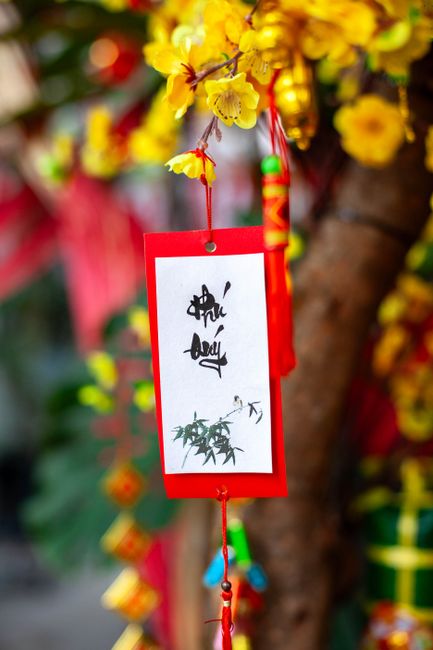
The symbolism embedded within Lunar New Year traditions is rich and multifaceted, offering insights into the cultural values and beliefs of participating communities. The dominant colors are red and gold, signifying good fortune, prosperity, and joy. Red is believed to ward off evil spirits, a belief stemming from ancient legends, while gold represents wealth and abundance. Red lanterns adorn streets and homes, their vibrant glow symbolizing hope and illumination for the year to come. Similarly, red envelopes, or hongbao (Mandarin) / lai see (Cantonese), filled with money, are traditionally gifted by elders to children and unmarried adults as tokens of good luck and blessings. The specific amount of money is often chosen for its auspiciousness, with numbers like eight (八, bā), which sounds like "to prosper" (發, fā), being highly favored. The dragon, a mythical creature revered for its power, strength, and good fortune, is a central motif. Dragon dances, characterized by elaborate costumes and energetic movements, are performed to bring good luck and chase away evil spirits. The lion dance, another popular performance, serves a similar purpose, with its playful and dynamic choreography believed to bestow blessings and prosperity. Flowers play a significant role, each carrying symbolic meaning. Peonies represent wealth and honor, while plum blossoms symbolize resilience and hope, blooming even in the cold of winter. Peach blossoms are associated with romance and longevity. The ubiquitous presence of these symbols creates a vibrant and auspicious atmosphere, reinforcing the celebratory spirit and the collective desire for a prosperous and fortunate new year.
A cornerstone of Lunar New Year celebrations is the emphasis on family reunion and filial piety. This period is arguably the most important time of the year for families to gather, bridging geographical distances and strengthening intergenerational bonds. Millions embark on extensive journeys, often referred to as the world’s largest annual human migration, to return to their hometowns. The reunion dinner, held on Lunar New Year’s Eve, is a lavish affair featuring dishes with symbolic meanings. For instance, fish (魚, yú) is a staple because its pronunciation is similar to "surplus" (餘, yú), signifying abundance. Dumplings (餃子, jiǎozi), shaped like ancient Chinese ingots, symbolize wealth. Glutinous rice cakes (niángāo, 年糕), whose name sounds like "higher year" (年高, niángāo), represent progress and advancement. The act of preparing and sharing these meals together fosters a sense of community and reinforces familial ties. Beyond the culinary traditions, other customs underscore the importance of family. Visiting elders, paying respects to ancestors, and engaging in family-oriented activities like playing mahjong or card games are integral to the observance. This strong emphasis on family not only preserves cultural heritage but also provides a vital support system for individuals within their communities. The collective spirit of returning home and celebrating together creates a powerful emotional resonance, solidifying the Lunar New Year’s position as a deeply cherished family occasion.
The rituals and customs observed during Lunar New Year are designed to usher in good fortune and expel negativity from the previous year. House cleaning is a paramount pre-New Year activity, conducted thoroughly to sweep away bad luck and make way for good luck. This physical cleansing symbolizes a mental and spiritual purification, preparing individuals and their homes for a fresh start. Decorations are meticulously chosen to be auspicious. Paper cuttings, often depicting motifs of prosperity and happiness, adorn windows. Calligraphy scrolls bearing lucky phrases, such as "May fortune and prosperity be with you" (恭喜發財, gōngxǐ fācái), are hung on doors. The eighth day of the Lunar New Year is often considered the actual birthday of all creatures, and traditionally, people refrain from cleaning or sweeping on this day to avoid sweeping away good fortune. The fifteenth day marks the Lantern Festival, which culminates the New Year celebrations. This day is characterized by vibrant lantern displays, where people carry lanterns and solve riddles written on them. The eating of tangyuan (湯圓), sweet glutinous rice balls, symbolizes family unity and togetherness. Fireworks and firecrackers, once a widespread practice, were traditionally set off to scare away evil spirits and celebrate the arrival of the new year with a bang. While regulations have tightened in many urban areas due to safety and environmental concerns, the spirit of this explosive celebration endures in many forms. The meticulous execution of these rituals reflects a deep-seated belief in the power of tradition to shape one’s destiny for the coming year, fostering a sense of agency and optimism.
The Lunar New Year is celebrated with distinct variations across East and Southeast Asia, reflecting the unique cultural identities of each region. In China, the Spring Festival is a 15-day celebration, beginning with New Year’s Eve and concluding with the Lantern Festival. The zodiac animal of the year plays a significant role, influencing the year’s characteristics and fortunes. For instance, 2023 was the Year of the Rabbit, associated with gentleness, kindness, and peacefulness, while 2024 is the Year of the Dragon, embodying power, strength, and good luck. In Korea, Seollal is a three-day holiday, with a strong emphasis on ancestral rites (charye) and wearing traditional hanbok. The eating of tteokguk (rice cake soup) is a custom on Seollal, signifying the wearer of the hanbok aging one year. In Vietnam, Tet Nguyen Dan is the most important festival, marked by elaborate decorations, visiting family and friends, and the giving of lucky money. Red envelopes (lì xì) are also a prominent feature. In Tibet, Losar is celebrated for up to two weeks, with traditional rituals, monastery festivals, and the consumption of chang (barley beer). Among other communities, such as the Mongolian Tsagaan Sar, the festival also involves feasting, visiting relatives, and exchanging greetings of good fortune. The global diaspora has also contributed to the widespread celebration of Lunar New Year, with vibrant festivities taking place in Chinatowns and ethnic enclaves around the world, from London and New York to Sydney and Singapore. These diverse celebrations, while sharing common themes of renewal and family, showcase the rich tapestry of Asian cultures and their enduring traditions.
The economic and social impact of Lunar New Year is considerable, influencing global commerce and consumer behavior. As a major holiday, it triggers a surge in travel, retail sales, and the hospitality sector. The massive migration of people for family reunions fuels demand for transportation, accommodation, and related services. Retailers experience significant upticks in sales of festive goods, gifts, food, and clothing, particularly items in red and gold. The consumption of traditional foods and beverages, as well as the purchase of decorative items and gifts, contributes to a substantial economic boom in many countries. The advertising and marketing industries also see a significant boost, with campaigns tailored to the Lunar New Year theme, often featuring the year’s zodiac animal. Beyond direct economic benefits, Lunar New Year fosters a sense of cultural pride and identity, both within originating countries and in diaspora communities. It serves as an important cultural touchstone, connecting generations and reinforcing shared values. The festival also promotes cross-cultural understanding and exchange, as non-Asian communities increasingly participate in and learn about these vibrant celebrations. The social aspect of the holiday, emphasizing community and togetherness, contributes to social cohesion and the strengthening of interpersonal relationships. The collective anticipation and shared experience of Lunar New Year create a palpable sense of optimism and unity, fostering a positive atmosphere that extends far beyond the immediate festive period. The interconnectedness of global economies means that the economic ripples of Lunar New Year are felt far and wide, influencing supply chains, manufacturing, and consumer spending patterns on a multinational scale.
The longevity and continued relevance of Lunar New Year traditions in the modern era are testament to their deep cultural roots and adaptability. Despite rapid globalization and societal changes, these ancient customs continue to be observed with enthusiasm. The core values of family reunion, respect for elders, and the pursuit of good fortune remain powerful motivators for participation. While some traditions may evolve – such as the shift from physical firecrackers to digital greetings or the increasing popularity of online gift-giving – the underlying spirit of renewal and togetherness endures. The accessibility of information and communication technologies has, in some ways, facilitated the preservation and dissemination of these traditions, allowing younger generations to connect with their heritage even when physically distant. Moreover, the global recognition and celebration of Lunar New Year have fostered a greater appreciation for Asian cultures worldwide, contributing to a more inclusive and diverse global cultural landscape. The ongoing observation of Lunar New Year is not merely a nostalgic adherence to the past; it represents a dynamic cultural practice that continues to evolve, integrating contemporary elements while retaining its essential significance. This adaptability ensures its continued vitality and its role in shaping cultural identity for generations to come. The festival’s ability to resonate across different age groups and social strata, from children participating in lion dances to elders preparing traditional feasts, highlights its enduring power as a unifying force. The symbolic meaning attached to each aspect of the celebration, from the colors of decorations to the ingredients in dishes, provides a rich educational component, passing down cultural knowledge from one generation to the next. The global spread of these traditions also signifies a growing intercultural dialogue and a shared human experience of marking transitions and celebrating hope for the future.
