The Complex Dance of Iran’s Currency: From Rial’s Plunge to the Familiarity of Toman and the Road to Redenomination

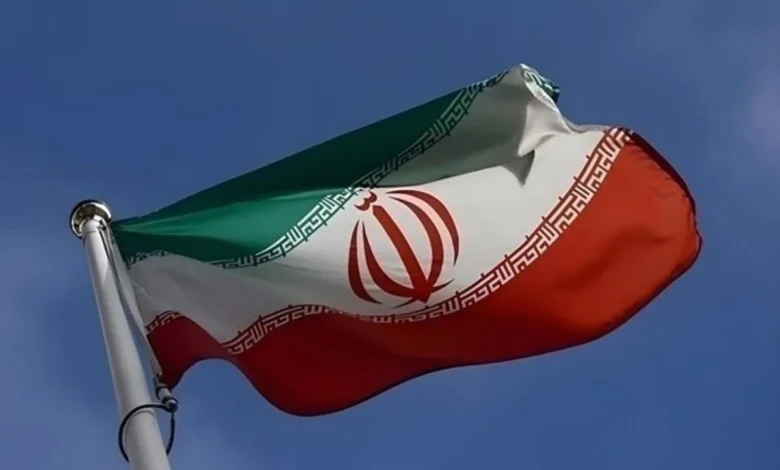
The Iranian currency, the rial, has become a focal point of global attention, caught in the crosscurrents of escalating geopolitical tensions and shifting global economic policies. Recent actions by the United States, including the imposition of tariffs up to 25% on nations continuing business ties with Iran, have amplified the pressure on the Islamic Republic’s economy. This policy, aimed at isolating Iran economically, has triggered significant repercussions, most notably the sharp devaluation of its national currency. In recent assessments, the Iranian rial has experienced a dramatic decline, with its exchange rate against the Euro reportedly hitting historic lows. This downward spiral underscores the severe economic strain Iran faces, exacerbated by prolonged sanctions and persistent inflation.
However, a curious phenomenon emerges when one ventures into Iran’s vibrant traditional bazaars or navigates its bustling shopping centers. The term "rial" is seldom heard in everyday transactional conversations. Instead, locals overwhelmingly use the term "toman" when discussing prices for goods and services. This linguistic shift is not merely a matter of convenience; it is a direct consequence of hyperinflation that has eroded the rial’s value to such an extent that referencing it directly would necessitate the use of excessively large numbers. To simplify transactions and avoid cumbersome figures, Iranians have adopted an alternative accounting system centered around the toman. This practice raises pertinent questions: what is Iran’s official currency, and what is the fundamental difference between the rial and the toman that frequently confuses both tourists and international economic observers? This article delves into the intricacies of Iran’s monetary system, examining its official status, the practical adoption of the toman, and the government’s strategic move towards redenominations.
The Official Standing: Iran’s Legal Tender
Legally and administratively, the Iranian rial (IRR) remains the nation’s official currency. All official banking operations, government documentation, and pricing displays in modern retail establishments are denominated in rials. The international standard code for the Iranian rial is IRR. This official designation means that all financial and legal frameworks within Iran are based on the rial. However, the stark contrast between this official status and the everyday usage of the toman highlights a significant disconnect between the formal economy and the lived reality of its citizens.
The Pragmatic Shift: The Rise of the Toman
Despite the rial’s official standing, its practical use in daily transactions is minimal. Iranians overwhelmingly employ the "toman" in their everyday commerce, whether in bustling traditional markets or smaller shops. This preference stems from a long history of high inflation that has drastically diminished the rial’s purchasing power.
The conversion between toman and rial is rooted in a historical simplification driven by economic realities. One toman is equivalent to 10,000 rials. In essence, the toman is the rial with four zeros removed. This system provides a much more manageable way to express prices. For instance, a price of 60,000 toman would translate to 600,000 rials. This simplification makes everyday economic interactions smoother and less prone to errors stemming from dealing with very large numbers.
Historically, the rial has been the legitimate currency, with banknotes printed and financial documents issued in its denomination. However, the persistent erosion of the rial’s value due to inflation has led the populace to adopt the more practical toman. The basic formula is straightforward: one toman historically represented ten "old" rials. This created a significant gap between the nominal value of the rial and its actual purchasing power, necessitating the adoption of a simplified unit of account. This disparity in naming conventions has frequently led to confusion for foreign visitors and even for those closely following Iran’s economic indicators.
A Glimpse into Historical Context: The Evolution of Iran’s Currency
The rial was first introduced in 1932, replacing the qiran. For decades, it maintained a relatively stable value. However, the Iranian Revolution in 1979 and subsequent geopolitical events, including prolonged periods of international sanctions, have placed immense pressure on the Iranian economy. These pressures have manifested in significant inflation, leading to a continuous devaluation of the rial.
The impact of sanctions, particularly those imposed by the United States, has been profound. These sanctions have restricted Iran’s access to international financial systems, limited its oil exports, and deterred foreign investment. The resulting economic contraction and the government’s response, often involving printing money to finance deficits, have fueled inflation.
The current economic climate, characterized by escalating global tensions and the US administration’s assertive economic policies, has further exacerbated the rial’s weakness. The imposition of tariffs on countries trading with Iran is a direct attempt to isolate the nation and pressure its economy. This, in turn, amplifies the inflation that has already been a persistent challenge.
The Official Move: Redenomination and the Birth of the New Toman
Recognizing the long-standing confusion and the economic inefficiencies arising from the rial’s diminished value, the Iranian government, through the Central Bank of Iran (CBI), initiated a process of redenominasi (redenomination) in 2020. This strategic move aims to simplify the national financial system by officially replacing the rial with a new toman as the primary unit of currency. The full implementation of this policy is slated to occur in phases, with a broader rollout anticipated between 2025 and 2026.
Under this redenomination scheme, the Iranian currency will be officially changed from the rial to a new toman. This transition involves effectively removing four zeros from the rial. Consequently, 10,000 old rials will be equivalent to one new toman. The new toman will also be subdivided into smaller units, with one toman comprising 100 qirans. This is a return to a historical denomination, as the qiran was the predecessor to the rial.
During the transition period, both old and new banknotes will remain in circulation. Newer banknotes are being issued with reduced nominal values, often featuring a ghosted or shadowed representation of the removed zeros. This serves as a visual cue for the public, facilitating a gradual adjustment to the new system. This phased approach is designed to minimize disruption and allow the population to adapt to the change in currency valuation.
Supporting Data and Economic Indicators
To understand the magnitude of the rial’s decline and the necessity for redenomination, examining key economic indicators is crucial.
- Inflation Rates: Iran has consistently faced high inflation rates. While official figures can vary, independent analyses often place inflation in the double digits, with periods of hyperinflation. For instance, in recent years, inflation has been reported to be between 30% and 50% annually, significantly eroding purchasing power.
- Exchange Rate Volatility: The rial’s exchange rate against major currencies like the US dollar and the Euro has been extremely volatile. Reports from financial news outlets have indicated that the rial’s value against the Euro has plummeted by over 90% in recent years. In specific periods, the unofficial exchange rate has seen the rial trading at over 500,000 rials to one US dollar, a stark contrast to its pre-sanction values.
- Economic Growth: The imposition of sanctions has severely hampered Iran’s economic growth. The International Monetary Fund (IMF) has projected negative or stagnant GDP growth for Iran in several recent years, directly linked to reduced oil exports and limited foreign investment.
- Unemployment: High inflation and economic contraction have also contributed to rising unemployment rates, particularly among the youth, adding to the socio-economic pressures within the country.
Reactions and Broader Implications
The policy of redenomination has been met with a mix of anticipation and caution.
- Public Reaction: For the general public, the shift to the toman represents a welcome simplification. It will make everyday transactions easier and reduce the psychological burden of dealing with enormous figures. However, concerns about the actual impact on purchasing power remain, as redenomination does not inherently solve underlying inflationary pressures.
- Business Community: Businesses are expected to benefit from the simplification of accounting and pricing. However, the transition period, with dual currency circulation, may present logistical challenges. The continued volatility of the exchange rate, driven by external factors, will remain a significant concern for businesses engaged in international trade.
- International Observers: Economists and international financial institutions are closely monitoring Iran’s redenomination process. They view it as a necessary step to modernize the financial system and potentially improve transparency. However, the success of this endeavor will largely depend on Iran’s ability to manage its fiscal policies, control inflation, and navigate the complex landscape of international sanctions.
The implications of Iran’s currency situation extend beyond its borders. The instability of the Iranian rial and the broader economic pressures can impact regional trade dynamics and influence global energy markets, given Iran’s significant role as an oil producer. The effectiveness of international sanctions and Iran’s ability to withstand them are also closely watched, as they have geopolitical ramifications.
The move to redenominasi is a bold step by the Iranian government to address a long-standing economic challenge. While the official currency remains the rial, the widespread adoption of the toman reflects the practical adaptations of a population navigating hyperinflation. The upcoming redenomination aims to formalize this simplification, streamline financial operations, and potentially restore a degree of confidence in the national currency. However, the enduring success of this initiative will ultimately be determined by Iran’s capacity to foster economic stability, control inflation, and overcome the persistent headwinds of international sanctions and geopolitical uncertainties. The journey from the depreciated rial to a stable toman is a testament to the resilience and adaptability of the Iranian people in the face of formidable economic adversity.
Related posts: