
The Enduring Legacy Of Tempe Bacem A Deep Dive Into Javanese Culinary Tradition And Global Appeal
Tempe Bacem: A Deep Dive into Javanese Culinary Tradition and its Enduring Global Appeal
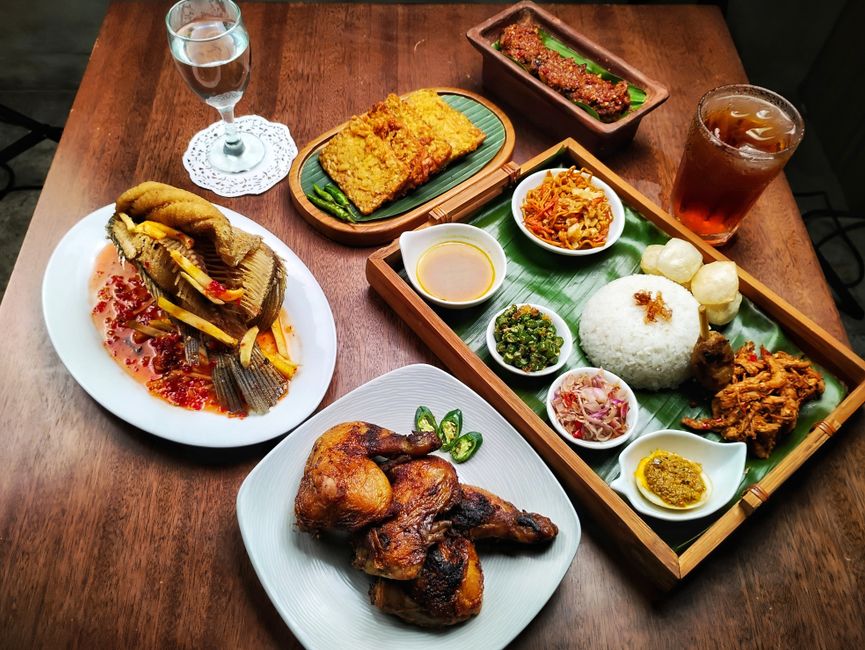
Tempe bacem, a quintessential Indonesian dish, represents a profound intersection of Javanese culinary tradition, historical evolution, and burgeoning global appreciation. At its core, tempe bacem is a dish where fermented soybean cake (tempe) is simmered in a rich, aromatic brine composed of palm sugar (gula jawa), coconut milk, and a complex blend of spices. This slow cooking process, known as "bacem," imbues the tempe with a distinctive sweet, savory, and slightly smoky flavor profile, while simultaneously tenderizing its texture to a melt-in-your-mouth consistency. The process is not merely about cooking; it is an alchemical transformation, a testament to the Javanese philosophy of coaxing depth and complexity from humble ingredients. The characteristic dark, caramelized exterior of bacem-cooked items, whether it be tempe, tofu, or even chicken, speaks to the Maillard reaction intensified by the slow simmering in sweet liquids, creating a delectable crust that contrasts beautifully with the tender interior. This dish, often served as a side dish or a standalone snack, is deeply woven into the fabric of Javanese daily life, appearing at family gatherings, religious ceremonies, and informal meals alike. Its enduring popularity stems from its accessibility, its profound and comforting flavors, and its versatility, making it a dish that resonates across generations and increasingly, across continents. Understanding tempe bacem requires an appreciation for the history of its ingredients, the evolution of its preparation methods, and the cultural significance it holds within Java.
The genesis of tempe bacem is inextricably linked to the agricultural and trade history of Java. Tempe itself, a product of millennia of fermentation of soybeans, likely originated in Java, with early evidence suggesting its existence as far back as the 15th century. The "bacem" cooking technique, however, is believed to have roots in the culinary practices introduced by Arab traders and the subsequent Dutch colonial influence. The use of palm sugar, a staple sweetener in Java, and the strategic incorporation of spices like coriander, galangal, and lemongrass, point to a fusion of indigenous flavors with those from further afield. The slow simmering process, allowing the ingredients to meld and deepen in flavor, was a practical method for preserving food in a tropical climate, while also transforming tougher cuts of meat or less palatable ingredients into something delectable. The sweet and savory balance, a hallmark of Javanese cuisine, is perfectly exemplified in tempe bacem. The sweetness from the palm sugar is not cloying but rather acts as a counterpoint to the earthy, slightly bitter notes of the tempe and the pungency of the spices. This careful calibration of flavors suggests a sophisticated culinary understanding, developed over centuries of experimentation and adaptation. The coconut milk adds a creamy richness, preventing the dish from becoming too dry and further enhancing the melding of flavors. The spices, far from being mere seasonings, play integral roles: coriander contributes a citrusy warmth, galangal a peppery, ginger-like bite, and lemongrass a bright, fragrant note.
The fundamental ingredients of tempe bacem are as significant as their preparation. Tempe, the star of the dish, is a microbial fermentation product, traditionally made by fermenting soybeans with a starter culture of Rhizopus mold. This fermentation process not only transforms the texture of the soybeans, binding them into a firm cake, but also significantly increases its nutritional value. Tempe is a rich source of protein, fiber, and essential minerals, making it a highly nutritious food. Its slightly nutty, earthy flavor serves as a neutral canvas for the robust flavors of the bacem marinade. Palm sugar, or gula jawa, is another crucial element. Derived from the sap of the sugar palm tree, it possesses a distinctive caramel-like flavor and a lower glycemic index compared to refined white sugar. This natural sweetener lends a deep, complex sweetness to the bacem, contributing to its characteristic dark hue and rich aroma. Coconut milk, extracted from the flesh of mature coconuts, provides a creamy base and adds a subtle tropical richness to the marinade. It helps to tenderize the tempe and ensures that the flavors are evenly distributed. The spice blend is where the true artistry of tempe bacem lies. While variations exist, a typical bacem spice paste often includes shallots, garlic, coriander seeds, turmeric, galangal, lemongrass, and bay leaves. These aromatics are usually pounded or blended into a paste, then sautéed before being combined with the other marinade ingredients. The turmeric contributes a vibrant yellow hue and a subtle earthy flavor, while galangal adds a zesty, peppery note akin to ginger but with a distinct floral undertone. Lemongrass provides a bright, citrusy aroma that cuts through the richness.
The traditional preparation method for tempe bacem is a slow, patient process. Freshly made tempe is typically sliced into rectangular or square pieces. These pieces are then submerged in the bacem marinade, a concoction of water or coconut milk, palm sugar, tamarind water (for a touch of acidity), and the pounded spice paste. The mixture is brought to a simmer and cooked slowly over low heat for an extended period, often 30 minutes to an hour, or even longer. During this simmering process, the liquid gradually reduces, concentrating the flavors and allowing the tempe to absorb the sweet, spicy, and savory notes. The coconut milk and palm sugar caramelize, coating the tempe in a sticky, glossy glaze. The residual liquid is often reduced to a thick syrup. Some recipes then call for the tempe to be lightly fried or grilled after simmering to achieve a crispy exterior, further enhancing the textural contrast. This frying step, while optional, adds another layer of complexity to the dish, creating a delightful crunch that complements the tender, yielding interior. The emphasis on slow cooking is not accidental; it is a deliberate technique that ensures the flavors penetrate deeply into the tempe, transforming it from a humble ingredient into a culinary masterpiece. The prolonged simmering also allows the spices to release their full aroma and flavor, creating a complex and nuanced taste profile that is both comforting and intriguing.
The culinary significance of tempe bacem within Javanese culture is profound. It is more than just a dish; it is a cultural artifact, a representation of Javanese hospitality, and a staple that connects families to their heritage. In Javanese households, tempe bacem is often prepared in large batches, intended to be shared and enjoyed by many. Its sweet and savory character makes it a universally appealing flavor, transcending age and preference. It is frequently found on the tables during celebratory occasions, from Eid al-Fitr (Lebaran) feasts to informal family gatherings. The act of preparing bacem is often a communal one, with family members contributing to the pounding of spices or the tending of the slow-cooking pot. This shared experience further solidifies its place as a dish that fosters connection and togetherness. Beyond domestic settings, tempe bacem is a ubiquitous presence in Indonesian restaurants and street food stalls, both within Java and across the archipelago. Its accessibility and affordability have made it a democratizing force in Indonesian cuisine, enjoyed by people from all walks of life. The dish embodies the Javanese appreciation for balance and harmony in food, a philosophy that prioritizes the careful integration of flavors and textures to create a holistic dining experience.
The growing global appeal of tempe bacem is a testament to its inherent deliciousness and the increasing international curiosity about Indonesian cuisine. As vegetarianism and veganism gain traction worldwide, tempe, with its high protein content and versatile nature, has emerged as a popular plant-based protein source. Chefs and home cooks outside of Indonesia are discovering the unique appeal of tempe bacem, drawn to its complex flavor profile, satisfying texture, and the health benefits associated with fermented foods. The dish’s inherent adaptability allows for creative interpretations, with chefs experimenting with different spice combinations and presentation styles. Its sweet and savory notes make it a versatile accompaniment to a variety of dishes, from rice and vegetables to salads and even as a filling for wraps or sandwiches. Social media platforms have played a significant role in disseminating information about tempe bacem, with visually appealing photos and engaging recipe videos introducing the dish to a wider audience. Food bloggers, travel influencers, and online recipe communities are all contributing to its growing recognition. This global embrace of tempe bacem is not just about a new trend; it signifies a deeper appreciation for the richness and diversity of global culinary traditions and a recognition of the power of simple, well-prepared food to transcend cultural boundaries. The rise of Indonesian restaurants and the increasing availability of Indonesian ingredients in international markets further facilitate this global reach.
The SEO implications of "tempe bacem" are significant, particularly for food bloggers, culinary tourism websites, and Indonesian food businesses. Keywords such as "tempe recipes," "Javanese cuisine," "Indonesian food," "vegetarian recipes," "vegan protein," "how to cook tempe," and "traditional Indonesian dishes" are all closely related and highly searchable. Optimizing content around these terms, alongside detailed discussions of the ingredients, preparation methods, and cultural context of tempe bacem, can significantly enhance online visibility. High-quality images, clear recipe instructions, and engaging narratives about the history and cultural significance of the dish will further contribute to its SEO ranking. For businesses looking to export Indonesian food products, establishing a strong online presence for tempe bacem can be a strategic advantage. Furthermore, understanding the search intent behind these keywords – users are likely looking for recipes, information about the dish, or restaurants serving it – allows for the creation of highly relevant and valuable content. The term "tempe bacem" itself is specific and descriptive, making it a strong long-tail keyword that can attract highly targeted traffic.
The enduring legacy of tempe bacem is a narrative of resilience, adaptation, and undeniable flavor. From its humble origins in the kitchens of Java, it has evolved into a dish that captivates palates and sparks culinary exploration across the globe. Its continued relevance lies in its ability to embody the essence of Javanese culinary philosophy: the art of transforming simple ingredients into a symphony of tastes and textures. The slow simmering, the judicious use of spices, and the perfect balance of sweet and savory are elements that continue to resonate with diners seeking authentic and satisfying food experiences. As global interest in plant-based diets and diverse culinary traditions continues to grow, tempe bacem is poised to play an even more prominent role in the international food landscape. Its journey from a traditional Javanese staple to a globally recognized delicacy underscores the universal appeal of well-crafted food and the rich tapestry of culinary heritage that continues to enrich our lives. The ongoing conversation around its preparation, its nutritional benefits, and its cultural significance will ensure that tempe bacem remains a beloved dish for generations to come, a testament to the enduring power of taste and tradition. The future of tempe bacem will likely see further innovation, with chefs and home cooks alike continuing to explore its potential, while simultaneously respecting and celebrating its authentic roots. This dynamic interplay between tradition and innovation is the key to its lasting appeal.
