
The Ultimate No Sugar Banana Bread A Healthy Baking Breakthrough
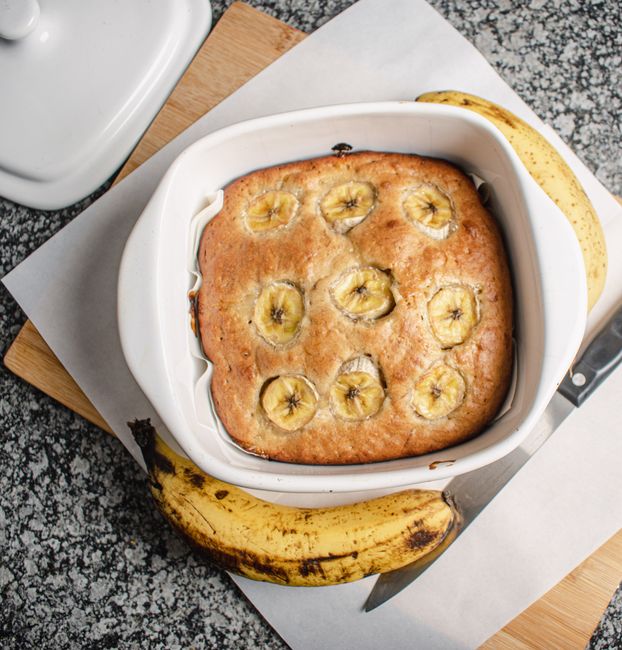
The Ultimate No-Sugar Banana Bread: A Healthy Baking Breakthrough
Embarking on the journey to create a truly delicious and satisfying banana bread without added sugar can feel like a quest for the Holy Grail of healthy baking. Traditional banana bread, while beloved for its comforting aroma and moist texture, often relies heavily on refined sugars to achieve its characteristic sweetness and flavor profile. However, the growing awareness of the detrimental effects of excessive sugar consumption has spurred innovation, leading to the development of recipes that leverage the natural sweetness of ingredients and smart substitutions. This article delves into the science and art behind crafting the ultimate no-sugar banana bread, exploring the fundamental principles, key ingredients, and practical techniques that unlock a healthier yet equally delectable baking experience.
The cornerstone of any successful no-sugar banana bread lies in understanding and maximizing the inherent sweetness of ripe bananas. As bananas ripen, their starches convert into sugars, primarily fructose and glucose. The riper the banana, the sweeter it becomes. This is not a mere observation; it’s a biochemical reality that bakers seeking to eliminate added sugar must embrace. Therefore, the selection of bananas is paramount. Overripe bananas, those with extensive brown spots and a soft, almost mushy texture, are the ideal candidates. Their concentrated sugars provide a significant base sweetness, reducing the need for external sweeteners. When choosing bananas, aim for those that are several days past their peak ripeness, often deemed "too ripe" for casual consumption. The intensified aroma and deeper flavor of these bananas will translate directly into a more robust and satisfying banana bread.
Beyond the superstar banana, the choice of fat plays a crucial role in the texture and moisture of no-sugar baking. Traditional banana bread often utilizes butter or vegetable oil, contributing to a rich mouthfeel. In a no-sugar context, these fats remain important, but their selection can also subtly influence the overall flavor and nutritional profile. Unsalted butter offers a classic richness, while coconut oil can impart a delicate tropical hint and contribute to a slightly firmer crumb. For a more neutral flavor and enhanced health benefits, alternatives like avocado oil or even unsweetened applesauce can be explored. While applesauce can reduce the overall fat content, it also contributes moisture and a touch of natural sweetness, acting as a dual-purpose ingredient. When substituting fats, it’s important to consider their liquid or solid state at room temperature and adjust accordingly to maintain the batter’s consistency. For instance, melted coconut oil will behave differently than softened butter.
The texture of banana bread is significantly influenced by its leavening agents and flour. While self-rising flour can be a convenient option, a no-sugar recipe often benefits from a blend of all-purpose flour and baking soda or baking powder. Baking soda requires an acidic component to activate, which is often provided by ingredients like buttermilk, yogurt, or even the natural acids present in ripe bananas. Baking powder, on the other hand, is a complete leavening agent containing both an acid and a base, requiring only moisture and heat to produce carbon dioxide, thus creating lift. The combination of these leavening agents, carefully balanced with the flour, is essential for achieving a light and airy crumb, preventing the bread from becoming dense or heavy, which can sometimes be a challenge in sugar-free baking.
The quest for sweetness in no-sugar baking often leads to the exploration of natural, low-glycemic sweeteners. While the primary sweetness comes from bananas, subtle enhancements can be achieved with ingredients like dates, figs, or even pureed prunes. These dried fruits, when rehydrated and pureed, offer a concentrated burst of natural sugars and fiber, contributing to both sweetness and moisture. The key is to use them judiciously, as they can also alter the texture and color of the bread. Another powerful ally in no-sugar sweetness is vanilla extract. While not a sweetener in itself, pure vanilla extract enhances the perception of sweetness and adds a complex flavor profile that can mask any lingering notes that might be perceived as "lacking" without sugar. Cinnamon, nutmeg, and other warming spices also play a vital role in amplifying the overall flavor and creating a sense of sweetness through their aromatic properties.
The interplay between moisture and dry ingredients is a fundamental principle in baking, and it becomes even more critical in no-sugar recipes. Without the hygroscopic properties of sugar, which attract and retain moisture, banana bread can quickly become dry and crumbly. This is where ingredients like yogurt, sour cream, or even a splash of milk come into play. These dairy or non-dairy additions contribute moisture, fat, and a slight tanginess that can further enhance the overall flavor profile. The protein content in yogurt and sour cream also aids in tenderizing the crumb. When measuring liquids, accuracy is essential. Too much liquid can lead to a gummy texture, while too little can result in a dry loaf.
The method of mixing is another subtle yet important factor in achieving the perfect no-sugar banana bread. Overmixing gluten-containing flours can develop excess gluten, leading to a tough and chewy texture. In no-sugar recipes, where the structural integrity might be slightly compromised without the binding and tenderizing effects of sugar, it’s crucial to mix the wet and dry ingredients only until just combined. A few small lumps of flour are often preferable to an overmixed batter. This gentle approach ensures a tender crumb that is characteristic of great banana bread.
The role of spices in no-sugar banana bread cannot be overstated. They are not merely flavor enhancers; they are crucial flavor builders, compensating for the absence of the rich, caramel-like notes that sugar contributes to baked goods. Cinnamon, with its warm and slightly sweet profile, is a classic pairing with bananas. Nutmeg adds a touch of earthiness and warmth, while cloves, used sparingly, can provide a subtle depth. A pinch of allspice can round out the spice profile, creating a complex and inviting aroma. Experimenting with different spice combinations can lead to unique and personalized flavor variations of your no-sugar banana bread. Consider adding a touch of cardamom for an exotic twist or a hint of ginger for a zesty kick.
For those seeking to further boost the nutritional value and fiber content, incorporating whole grains is an excellent strategy. While a 100% whole wheat banana bread might be too dense, a blend of all-purpose flour and whole wheat flour or oat flour can offer a delightful nutty flavor and increased fiber. Oat flour, in particular, can contribute a wonderfully moist and tender texture. When using whole grain flours, it’s often beneficial to slightly increase the liquid content, as they tend to absorb more moisture than refined flours.
The baking process itself requires careful monitoring. Oven temperatures can vary, and no-sugar banana bread, without the protective layer of sugar, can be more prone to over-browning. It’s advisable to start with a slightly lower oven temperature than you might typically use for conventional banana bread and to keep a close eye on the loaf. Using a loaf pan lined with parchment paper not only facilitates easy removal but also helps to prevent the bottom and sides from burning. A wooden skewer or toothpick inserted into the center of the loaf is the ultimate test for doneness; it should come out clean with just a few moist crumbs attached.
The cooling process is just as important as the baking. Allowing the banana bread to cool in the pan for at least 10-15 minutes before inverting it onto a wire rack is essential. This allows the structure of the bread to set, preventing it from breaking apart when removed from the pan. Complete cooling on the wire rack ensures that the internal moisture distributes evenly, contributing to a pleasant texture.
The ultimate no-sugar banana bread is not a single recipe but a philosophy of baking that prioritizes natural sweetness, wholesome ingredients, and smart substitutions. It’s a testament to the fact that healthy can be absolutely delicious. By understanding the role of ripe bananas, selecting appropriate fats and flours, embracing natural sweeteners, and mastering the art of moisture balance and spice combinations, bakers can create a guilt-free indulgence that satisfies cravings and nourishes the body. This breakthrough in healthy baking opens the door to a world of possibilities, proving that the comforting joy of homemade banana bread can be enjoyed without compromise. The journey to the perfect no-sugar banana bread is one of experimentation and discovery, where each bite is a celebration of natural goodness and culinary innovation.
