
The Ultimate Onion Scallion Beef A Quick And Flavorful Chinese Stir Fry 2
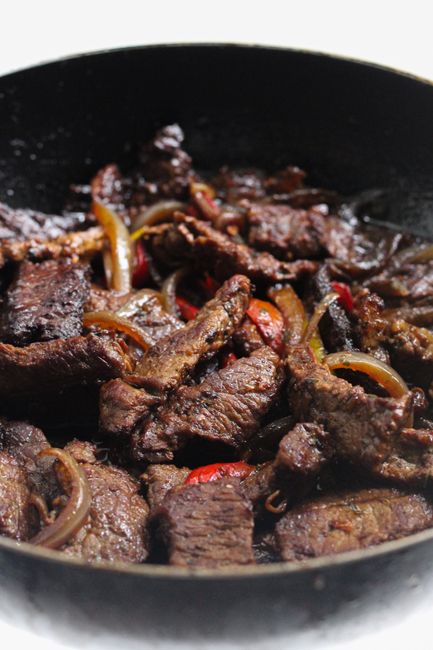
The Ultimate Onion Scallion Beef: A Quick and Flavorful Chinese Stir-Fry
This recipe for Onion Scallion Beef delivers a quintessential Chinese stir-fry experience, characterized by tender, marinated beef, the pungent sweetness of onions, and the refreshing bite of scallions, all brought together in a savory, umami-rich sauce. It’s a dish that embodies the speed and intensity of traditional Chinese stir-frying, making it an ideal choice for weeknight meals without compromising on authentic flavor. The key to its success lies in the proper marination of the beef, which ensures tenderness and infuses it with foundational flavors, and the precise cooking technique that creates a wok hei (breath of the wok) aroma and texture.
The foundation of a superior Onion Scallion Beef stir-fry begins with the selection and preparation of the beef. Flank steak, sirloin, or even thinly sliced ribeye are excellent choices due to their inherent tenderness and ability to absorb marinades effectively. For optimal results, slice the beef against the grain into thin, uniform pieces, approximately 1/8 to 1/4 inch thick. This ensures that the beef cooks quickly and remains tender throughout the stir-fry process. The marination is crucial for both flavor and texture. A classic Chinese marinade typically includes a combination of soy sauce, Shaoxing wine (or dry sherry as a substitute), a touch of sugar, cornstarch, and often a small amount of oil. The soy sauce provides salinity and umami, Shaoxing wine adds depth and a subtle sweetness, sugar balances the savory notes, and cornstarch acts as a tenderizer and helps create a silken coating that locks in moisture during cooking. Some recipes also incorporate a whisper of sesame oil for added fragrance. Allow the beef to marinate for at least 15-30 minutes at room temperature, or up to a few hours in the refrigerator. The cornstarch in the marinade will create a glossy sheen on the beef and contribute to a pleasantly chewy yet tender texture.
Aromatic vegetables are the soul of any stir-fry, and for Onion Scallion Beef, onions and scallions take center stage. Choose yellow or white onions for their sweetness and a pleasant bite when stir-fried. Slice the onions into wedges or thick strips, ensuring they are substantial enough to withstand the high heat of the wok without disintegrating. Scallions, also known as green onions, are divided into two parts: the white and light green bulbs, and the vibrant green tops. The white and light green parts are often added earlier in the stir-fry to soften and release their pungent aroma, while the green tops are typically added towards the end to maintain their fresh, slightly sharp flavor and bright color. Slice the white and light green parts into 1-2 inch sections, and roughly chop the green tops, separating them for strategic addition. Garlic and ginger are non-negotiable aromatics that form the base of many Chinese stir-fries, providing layers of pungent warmth and depth. Mince or finely grate fresh garlic and ginger, and have them ready to go.
The stir-fry sauce is where the magic happens, unifying all the ingredients into a cohesive and intensely flavorful dish. A balanced sauce for Onion Scallion Beef should offer a harmonious blend of savory, sweet, and slightly tangy notes. A typical sauce base includes soy sauce (light soy sauce for color and salinity, and sometimes a touch of dark soy sauce for a richer hue and deeper flavor), Shaoxing wine or dry sherry, oyster sauce (for its complex umami and slightly viscous texture), a touch of sugar to balance the saltiness, and often a splash of rice vinegar for brightness. Cornstarch is usually dissolved in a portion of the sauce ingredients (often with water or broth) to create a slurry that will thicken the sauce beautifully, coating the beef and vegetables in a glossy glaze. The ratio of these ingredients is crucial: too much soy sauce can overpower, while too little will result in a bland sauce. Experimentation may be necessary to find your preferred balance, but a good starting point is equal parts light soy sauce and oyster sauce, with half the amount of Shaoxing wine and a quarter of the sugar. The cornstarch slurry should be smooth and free of lumps before being incorporated into the hot wok.
The art of stir-frying lies in high-heat, rapid cooking. A well-seasoned wok is essential for achieving that coveted wok hei and preventing sticking. Heat the wok over high heat until it begins to smoke. Then, add a high smoke point cooking oil, such as peanut oil, vegetable oil, or canola oil. Once the oil is shimmering and almost smoking, it’s time to add the marinated beef in a single layer. Avoid overcrowding the wok, as this will steam the beef rather than sear it, resulting in a tough texture. Cook the beef in batches if necessary, searing each side for about 1-2 minutes until browned and just cooked through. Remove the seared beef from the wok and set aside. This partial cooking allows the beef to develop a flavorful crust while ensuring it doesn’t overcook during the subsequent vegetable stir-fry.
With the beef seared and removed, add a little more oil to the wok if needed. Add the minced garlic and ginger and stir-fry for about 15-30 seconds until fragrant, being careful not to burn them. Next, add the sliced onions (the white and light green parts of the scallions can be added here too if you prefer them softer). Stir-fry for 1-2 minutes until they begin to soften and turn translucent. The goal is to achieve a slight char on the edges for added flavor, but they should still retain some bite. This stage is critical for building the aromatic foundation of the dish.
Once the onions have softened, return the seared beef to the wok. Pour in the prepared stir-fry sauce. Stir everything together quickly to combine. As the sauce heats up, it will begin to thicken due to the cornstarch. If the sauce becomes too thick, you can add a tablespoon or two of water or broth to loosen it. Add the chopped green tops of the scallions and stir-fry for another 30 seconds to 1 minute, just until they are bright green and slightly wilted. The rapid addition of the green scallion tops at the end preserves their freshness and vibrant color, providing a delightful contrast to the cooked beef and onions. The entire process from adding the beef back to the wok to the final stir should be swift, typically no more than 2-3 minutes. Overcooking at this stage will render the beef tough and the vegetables mushy.
Serving Onion Scallion Beef immediately is paramount to enjoying its optimal texture and flavor. This stir-fry is best served hot, directly from the wok. It is traditionally accompanied by steamed white rice, which acts as a perfect canvas to absorb the rich, savory sauce. For a more complete meal, consider serving it with other Chinese side dishes such as steamed or stir-fried bok choy, gai lan (Chinese broccoli), or a light egg drop soup. The vibrant colors of the dish – the rich brown of the beef, the golden hues of the onions, and the bright green of the scallions – make it visually appealing. The aroma that wafts from a freshly made stir-fry of Onion Scallion Beef is a testament to the power of simple, fresh ingredients and precise cooking techniques.
Variations and enhancements can elevate this classic dish. For a touch of heat, add a pinch of dried red chili flakes or a thinly sliced fresh red chili to the aromatics. A small amount of chili bean paste (doubanjiang) can also be incorporated into the sauce for a more complex spicy and fermented flavor. For those who enjoy a hint of sweetness beyond the sugar, a tablespoon of hoisin sauce can add another layer of complexity and a slightly thicker sauce. Some recipes also call for the addition of a small amount of toasted sesame oil just before serving for an intensified nutty aroma. For a vegetarian or vegan rendition, firm or extra-firm tofu, pressed and pan-fried until golden, can be used in place of beef. The marinade and sauce would remain largely the same, although a vegetarian oyster sauce or a mushroom-based umami sauce would be substituted.
The key to perfecting Onion Scallion Beef, and indeed any Chinese stir-fry, lies in the preparation and organization. Ensure all your ingredients are prepped and ready to go before you even turn on the stove. This means slicing the beef, chopping the vegetables, and mixing the sauce. Stir-frying is a fast-paced cooking method, and any delay in adding ingredients can lead to uneven cooking or burnt aromatics. Having everything within reach allows you to execute the cooking process with confidence and efficiency. Master this recipe, and you’ll have a go-to for a quick, healthy, and incredibly satisfying meal that embodies the spirit of authentic Chinese home cooking. The combination of tender beef, sweet onions, fresh scallions, and a perfectly balanced savory sauce makes this dish a true crowd-pleaser and a staple in the repertoire of anyone who appreciates the art of Chinese stir-fry. The beauty of this dish is its adaptability; while the core ingredients remain consistent, subtle adjustments to the sauce or the addition of other vegetables can create endless delicious variations, all built upon the fundamental principles of this classic Onion Scallion Beef stir-fry.
