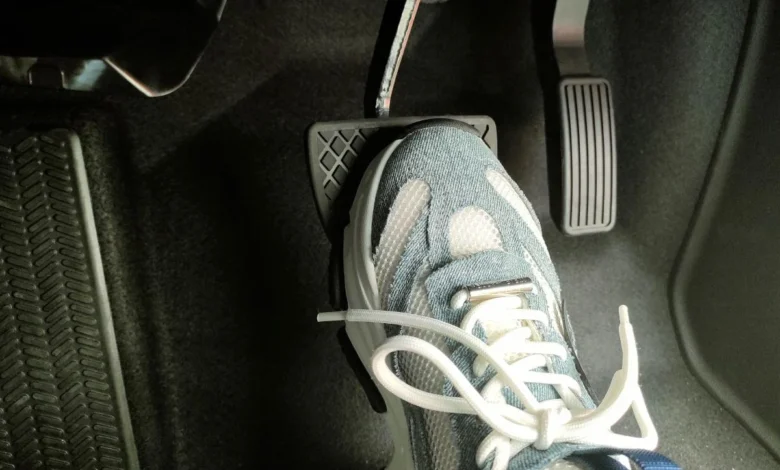
Vehicle braking systems represent the most fundamental safety architecture in modern automotive engineering, serving as the primary interface between kinetic energy and stationary safety. As vehicle complexity increases, the reliance on friction-based stopping power remains a constant, necessitating rigorous maintenance schedules. Recent industry data from automotive safety councils indicates that brake-related failures contribute to approximately 10% to 15% of all vehicle-related accidents globally, highlighting the vital importance of auditory warnings emitted by braking components. When a vehicle begins to exhibit unusual noises during deceleration—ranging from high-pitched squeals to deep metallic grinding—it serves as an immediate diagnostic alert that the system is operating outside of its optimal performance parameters.
The Anatomy of Brake Noise and Safety Implications
In a standard disc brake configuration, the interaction between the brake pad and the rotor is designed to be a controlled friction event. Modern braking systems are engineered with acoustic dampeners and shims to minimize vibration. However, when these components deviate from their intended state due to wear, contamination, or thermal stress, they generate audible feedback. Ignoring these symptoms can lead to catastrophic system failure, where the reduction in stopping distance becomes critical, particularly in emergency scenarios.
Statistically, the wear rate of brake pads is heavily dependent on driving habits and environmental conditions. Urban commuters, who engage in "stop-and-go" traffic, often find that their braking systems reach their wear limits significantly faster than those driven primarily on highways. Maintenance protocols suggest that pads should be inspected every 5,000 to 10,000 kilometers, yet many vehicle owners wait until audible symptoms emerge before seeking professional intervention.
Mechanical Root Causes of Braking Anomalies
The mechanical reasons behind noisy brakes are diverse, ranging from minor environmental issues to severe structural degradation. Understanding these causes is essential for vehicle owners to prevent long-term damage to the braking infrastructure.
1. Advanced Wear and the Indicator Mechanism
The most frequent cause of noise is the thinning of brake pads. Most contemporary brake pads are manufactured with a mechanical "wear indicator"—a small metal tab designed to contact the rotor once the pad reaches a minimum safety thickness. This creates a rhythmic squealing sound, intended to warn the driver that immediate replacement is necessary. If this warning is ignored, the pad friction material eventually vanishes entirely, leading to "metal-on-metal" contact. This not only results in a harsh, grinding noise but also causes rapid scoring of the brake rotor, which significantly increases the total cost of repair.
2. Environmental Contamination and Debris
Brake systems are exposed to the elements, making them susceptible to the accumulation of road grime, brake dust, and environmental debris. Fine particles of silica or metallic dust can become embedded in the brake pad surface. When the brake is applied, these particles act as abrasives against the rotor, causing high-pitched chirping or squealing. In many cases, this is a transient issue that can be resolved through professional cleaning or pressure washing of the brake assembly, provided the rotor surface remains intact.
3. Thermal Glazing and Material Hardening
"Brake pad glazing" occurs when the braking system is subjected to excessive, prolonged heat. This often happens during aggressive driving or when descending steep mountain passes without proper gear compression. The heat causes the resin binders in the brake pad material to melt and then re-harden, creating a smooth, glass-like surface on the pad. This glazed surface loses its coefficient of friction, resulting in poor stopping power and persistent noise. Unlike simple dust accumulation, glazing usually requires the replacement of the brake pads and, in some cases, a resurfacing of the rotors to restore proper bite.
4. Rotor Surface Irregularities
The brake rotor, or disc, must remain perfectly flat to ensure uniform contact with the pads. Over time, heat-induced warping or uneven wear patterns can create a "wavy" surface. When the pads press against an irregular surface, it creates lateral vibrations that translate into audible groans or, in severe cases, a pulsing sensation felt through the brake pedal. This symptom requires precision machining (lathe turning) or, if the rotor is too thin, complete replacement to ensure the safety of the vehicle’s handling.
The Role of Professional Maintenance and Inspection
Automotive safety experts and industry technicians emphasize that periodic inspection is the only way to proactively manage braking health. During a standard service interval, technicians perform several diagnostic checks:
- Measurement of Pad Thickness: Assessing the remaining material in millimeters to project the remaining service life.
- Rotor Run-out and Thickness Check: Using a micrometer to ensure the rotor meets manufacturer specifications for structural integrity.
- Hydraulic Fluid Analysis: Checking the moisture content of brake fluid, as boiling points drop significantly with water contamination, leading to a "spongy" pedal feel.
- Hardware and Clip Lubrication: Ensuring that the floating calipers and metal clips are properly lubricated with high-temperature brake grease to prevent resonance and sticking.
Chronology of a Brake Failure Event
A typical progression of a failing brake system follows a predictable timeline:
- Inception Phase: Minimal noise or a slight "hissing" sound during initial morning usage, often caused by light oxidation or "flash rust" on the rotors after the vehicle has sat idle overnight.
- Warning Phase: The audible wear indicator begins to contact the rotor, producing a consistent high-pitched squeal. This is the optimal window for cost-effective maintenance.
- Degradation Phase: The friction material is exhausted. Grinding sounds emerge, signaling that the steel backing plate is contacting the rotor. At this stage, the braking performance is severely compromised, and the vehicle’s stopping distance increases exponentially.
- Critical Failure: The rotor becomes severely grooved or overheated to the point of structural compromise. Total system failure or loss of control during emergency braking becomes a tangible risk.
Industry Perspectives on Safety Standards
Leading automotive manufacturers have consistently moved toward integrating electronic wear sensors that provide dashboard alerts, removing the reliance on audible cues alone. However, for a significant portion of the global vehicle fleet, auditory diagnosis remains the primary method of detection. Safety advocates argue that public awareness campaigns are necessary to bridge the gap between "minor noise" and "systemic failure."
According to recent bulletins from the automotive service sector, drivers are encouraged to treat any change in braking behavior—such as a spongy pedal, a pull to one side, or an increase in the pedal travel—with the same urgency as an audible noise. These symptoms often indicate a hydraulic leak or an imbalance in the caliper pressure, which can lead to unequal braking forces, causing the vehicle to skid or lose directional stability during sudden stops.
Broader Economic and Safety Implications
The economic impact of neglecting brake maintenance is substantial. A simple pad replacement is significantly more affordable than a comprehensive overhaul involving rotors, calipers, and potentially master cylinder repairs necessitated by debris contamination. Beyond the financial aspect, the societal cost of brake-related accidents is immense. Proper maintenance not only extends the service life of the vehicle but also fulfills a moral and legal obligation to other road users.
In summary, while the complexity of modern braking systems continues to evolve, the fundamentals of friction-based deceleration remain unchanged. The appearance of noise should be viewed not as a nuisance, but as a critical communication from the vehicle’s hardware. By adhering to a rigorous, professional inspection schedule and responding immediately to any audible or tactile warnings, drivers can ensure that their vehicles remain safe, reliable, and efficient. The integration of high-quality components and professional installation remains the gold standard for maintaining the integrity of the most vital safety system in any automobile.
Related posts: