
Walking Ice Snow Falling
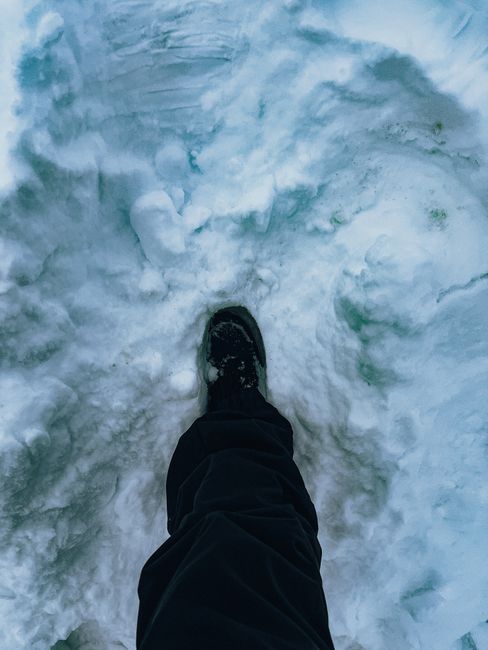
Navigating Winter’s Embrace: The Art and Science of Walking on Ice and in Snow
The crisp air, the hushed stillness, the transformation of the familiar landscape into a shimmering, ethereal realm – winter’s arrival, marked by falling snow and the treacherous glaze of ice, presents both beauty and significant challenges. For pedestrians, the simple act of walking becomes a carefully considered endeavor, demanding an understanding of physics, environmental awareness, and strategic movement. This article delves into the multifaceted aspects of walking on icy and snowy surfaces, offering practical advice, exploring the underlying scientific principles, and highlighting the importance of preparedness for safe and effective winter transit.
The fundamental challenge of walking on ice and snow lies in the drastic reduction of friction. Our ability to walk relies on the grip between our footwear and the ground, a grip facilitated by the microscopic irregularities on both surfaces interlocking. Ice, being a smooth, crystalline structure, offers minimal such irregularities. Snow, while seemingly textured, compacts under pressure, eventually forming a slick, icy layer, especially when subjected to repeated foot traffic or temperature fluctuations. This loss of traction significantly increases the risk of slips, trips, and falls, which can result in a wide range of injuries from minor sprains to severe fractures and head trauma. Understanding this basic principle of reduced friction is the first step towards developing effective winter walking strategies.
The physics of walking on slippery surfaces is governed by Newton’s laws of motion. When friction is low, the force required to initiate movement in a forward direction is significantly reduced, but so is the force that allows us to stop or change direction. This means that once a slip occurs, it becomes much harder to regain balance. The coefficient of friction, a measure of the relative roughness of two surfaces, plummets on ice and packed snow. For dry pavement, this coefficient can be around 0.7, providing substantial grip. On wet ice, it can drop to as low as 0.1. This dramatic decrease explains why even slight inclines or minor bumps can lead to a loss of control. Furthermore, the momentum of the body plays a critical role. If a person is moving at a certain velocity and encounters a slippery patch, their inertia will cause them to continue moving in that direction, making it difficult to arrest that motion and regain stability.
When snow falls, the texture and depth of the snow are crucial factors influencing walking. Light, powdery snow presents a different challenge than wet, heavy snow or compacted, icy snow. Powdery snow can cushion steps but also create a feeling of sinking, requiring more effort to propel oneself forward. Walking through deep, powdery snow often involves a gait that lifts the feet higher with each step, a strategy known as "high-stepping" or "marching," to avoid getting stuck. Wet, heavy snow, on the other hand, is denser and can be quite sticky, adhering to footwear and making it harder to lift the feet. This can also lead to increased fatigue. However, the most perilous snow conditions are often those that have partially melted and refrozen, or have been walked upon extensively, creating an icy crust. This compacted snow offers significantly less grip than freshly fallen snow.
Walking in falling snow, even without significant ice, requires adapting to reduced visibility and a change in the auditory landscape. The soft sound of snowflakes muffles ambient noise, making it harder to hear approaching vehicles or other pedestrians. Visibility can be reduced, especially during heavy snowfall, requiring individuals to be more vigilant and to ensure they are seen. Brightly colored clothing becomes an important safety consideration in such conditions. The tactile sensation of snowflakes on the face and exposed skin can also be disorienting, further necessitating a heightened sense of awareness of one’s surroundings.
To effectively navigate these slippery conditions, specific walking techniques are paramount. The most widely recommended strategy for walking on ice and snow is to adopt a "penguin walk." This involves taking shorter, shuffling steps with your feet pointed slightly outward. The idea is to increase the surface area of contact with the ground and to keep your center of gravity low and directly over your feet. This minimizes the lateral forces that can cause a slip. Another crucial element is to avoid abrupt movements. When approaching a patch of ice or snow, consciously slow down and reduce the stride length. Instead of long, bounding steps, opt for a series of small, deliberate movements. It’s also beneficial to slightly bend your knees, which lowers your center of gravity and provides better shock absorption if a slip does occur. Keeping your arms slightly away from your body can also aid in balance; they act as counterweights that can be used to correct for minor imbalances.
Footwear is arguably the most critical piece of equipment for winter walking. The ideal winter boot should possess several key features. A deep, aggressive tread pattern is essential for providing grip on snow and ice. Look for lugs that are widely spaced to prevent snow and ice from packing into the sole. The material of the sole is also important; rubber compounds that remain flexible in cold temperatures offer better traction than rigid plastics. Water resistance is crucial to keep feet warm and dry, as cold, wet feet can lead to loss of dexterity and a greater susceptibility to injury. Insulated boots will also contribute to comfort and overall safety by preventing frostbite. For extreme conditions or if specialized footwear is not available, consider adding traction devices to your existing shoes. These can include slip-on crampons with metal spikes or attachable cleats that significantly enhance grip.
Beyond the act of walking itself, preparation and awareness are vital for safe winter transit. Before venturing out, especially during or after snowfall or freezing temperatures, assess the conditions. Check weather forecasts for any impending precipitation or temperature drops. If possible, observe the ground from a window to gauge the extent of ice or snow accumulation. If you know you will be walking in an area prone to ice, such as shaded areas, bridges, or steps, be particularly cautious. Carrying a walking stick or trekking poles can provide an additional point of contact and stability, especially on uneven terrain or inclines.
When walking in snow, especially in deeper accumulations, consider your clothing. Layers are key to regulating body temperature. Moisture-wicking base layers, insulating mid-layers, and a waterproof and windproof outer shell will keep you comfortable and dry. Ensure your outer layers are brightly colored for increased visibility. Wearing gloves and a hat is essential to prevent heat loss and to protect extremities from the cold.
The psychological aspect of walking on ice and snow also plays a role. A sense of confidence and calmness can help in maintaining balance. Conversely, fear and anxiety can lead to stiffening of the muscles and a less fluid gait, which can ironically increase the likelihood of falling. Practicing mindful movement and focusing on deliberate actions can help to mitigate this. It’s also important to recognize when conditions are too dangerous to proceed on foot and to consider alternative modes of transportation or delaying your journey.
Understanding the nuances of walking on different types of ice is also beneficial. Black ice, a thin, transparent layer of ice that forms on dark surfaces, is particularly dangerous because it is often invisible. It typically forms when temperatures drop rapidly after rain or melting. Glazed ice, a thicker, more opaque layer, can form after a period of freezing rain. Both require extreme caution. Packed snow, as mentioned, eventually becomes icy. Freshly fallen, powdery snow, while less slick, can still lead to falls if one is not accustomed to the reduced support.
The impact of ice and snow on urban infrastructure and pathways necessitates an awareness of potential hazards beyond the immediate ground surface. Icicles hanging from eaves can pose a falling hazard. Snow piled on sidewalks can create narrow passages or obscure steps. Understanding these environmental factors contributes to a safer walking experience. Public services responsible for snow and ice removal play a crucial role in maintaining safe pedestrian routes. However, even well-maintained areas can present unexpected challenges.
For individuals with mobility issues or balance concerns, the challenges of walking on ice and snow are amplified. They may require additional support, such as canes with specialized ice tips, or may need to rely on accessible transportation options. It is crucial for communities to prioritize snow and ice removal on accessible pathways and to provide clear information about safe routes.
In conclusion, the seemingly simple act of walking on ice and snow is a complex interplay of physics, biomechanics, and environmental awareness. By understanding the principles of friction and momentum, adopting appropriate walking techniques, choosing the right footwear, and prioritizing preparation and vigilance, individuals can significantly reduce their risk of injury and safely navigate the beautiful but often treacherous winter landscape. The key lies in respecting the power of the elements and adapting one’s behavior to move with, rather than against, the forces of ice and snow.
