What to Do Immediately When Your Blood Pressure Spikes: Expert Guidelines and Comprehensive Management Strategies

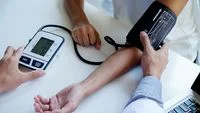
The digital screen of a blood pressure monitor flickers, displaying numbers that sit stubbornly above the standard threshold of clinical normalcy. For millions of individuals worldwide, this scenario is a familiar yet unsettling introduction to a silent physiological event. High blood pressure, clinically referred to as hypertension, remains one of the most pervasive yet frequently overlooked chronic conditions in modern medicine. Because the ailment often progresses without producing noticeable warning signs, it has earned the ominous moniker of the "silent killer." When an individual unexpectedly registers an elevated reading at home, the immediate moments following that discovery are critical. Understanding the exact protocol to follow—balancing calm composure with necessary clinical vigilance—can mean the difference between routine lifestyle management and a life-threatening medical emergency.
The Immediate Protocol: Navigating an Unexpected High Reading
When confronted with a blood pressure reading that exceeds normal boundaries, the primary directive from medical professionals is straightforward: do not panic. Anxiety and acute stress activate the sympathetic nervous system, triggering the release of stress hormones like cortisol and adrenaline, which in turn cause blood vessels to constrict and blood pressure to rise even further.
According to guidelines articulated by prominent cardiologists, including Dr. Rohit Goel, the very first step is to seek out a comfortable, quiet environment to sit and rest. Individuals must systematically eliminate any temporary factors known to artificially inflate blood pressure readings. This includes halting any ongoing physical activity, extinguishing cigarettes or avoiding tobacco products, abstaining from caffeinated beverages such as coffee or energy drinks, and stepping away from acute mental stressors.
Once the body has had an opportunity to settle in a state of repose for approximately five consecutive minutes, a second measurement should be taken. Proper posture during this measurement is paramount for accuracy. The individual must sit with their back fully supported against a chair, both feet resting flat on the floor with uncrossed legs, and the arm positioned at heart level, supported by a flat surface. Furthermore, patients should remain entirely silent during the inflation and deflation of the cuff, and the cuff itself must be of the correct size for the individual’s arm circumference. If this secondary measurement continues to yield high numbers, the reading must be documented systematically to provide an accurate log for future medical consultations.
The Critical Thresholds: Distinguishing Routine Spikes from Medical Emergencies
Not all high blood pressure readings carry the same level of clinical urgency, but establishing clear parameters is vital for patient safety. A distinction must be made between a standard elevation and a hypertensive crisis—a medical emergency characterized by extreme blood pressure elevations that can precipitate acute organ damage.
When a blood pressure reading reaches or exceeds 180/110 mmHg, the protocol shifts dramatically. Dr. Goel advises that if a home monitor displays this alarming threshold, the individual should pause, wait for one minute, and repeat the measurement to rule out an electronic error or movement artifact. If the subsequent reading remains at or above 180/110 mmHg, the presence or absence of accompanying symptoms dictates the urgency of the response.
If the dangerously high reading is accompanied by acute "red flag" symptoms—such as severe chest pain or tightness, shortness of breath, a sudden and excruciating headache, blurred or double vision, sudden weakness or numbness (particularly on one side of the body), confusion, or difficulty speaking—emergency medical services must be contacted immediately. These symptoms strongly suggest acute target-organ damage, indicative of events such as a stroke, acute myocardial infarction, or hypertensive encephalopathy.
Conversely, what happens if the blood pressure reading hits or exceeds the 180/110 mmHg mark, yet the individual feels completely fine, experiencing no physical discomfort or neurological deficits? Medical consensus dictates that even in the absence of symptoms, a reading this high demands immediate professional intervention. Patients in this category must still seek urgent medical evaluation, as chronic or acute uncontrolled pressure at this level silently damages delicate vascular beds in the kidneys, brain, and retina.
A central warning issued by cardiovascular specialists is the absolute prohibition against self-medication during a sudden spike. Panicked patients frequently make the dangerous decision to consume extra doses of their prescribed antihypertensive medication or take a borrowed pill belonging to a family member in an attempt to force the numbers down quickly. Medical professionals universally condemn this practice. Rapidly dropping blood pressure can induce cerebral hypothermia or ischemia, where the brain is suddenly deprived of adequate blood flow, potentially converting a manageable hypertensive episode into an ischemic stroke. Patients must strictly adhere to their established pharmacological regimens and consult a physician before making any adjustments.
Background Context and Global Epidemiological Impact
To fully appreciate the gravity of an elevated blood pressure reading, one must examine the broader epidemiological landscape of hypertension. The World Health Organization (WHO) characterizes hypertension as a major global public health crisis. It is estimated to affect over a billion adults worldwide, predominantly distributed across low- and middle-income nations, though it remains a leading cause of morbidity and mortality in developed economies as well.
Historically, cardiovascular medicine viewed high blood pressure through a strictly binary lens, but contemporary epidemiology recognizes it as a continuous, graded risk factor. As blood pressure rises above 115/75 mmHg, the risk of cardiovascular events begins to scale upward proportionally. The cumulative toll of uncontrolled hypertension includes chronic kidney disease culminating in renal failure, ischemic and hemorrhagic strokes, coronary artery disease, heart failure, and peripheral arterial disease.
The insidious nature of the condition stems from its asymptomatic progression. Unlike infectious diseases or acute trauma that announce their presence through localized pain or fever, hypertension exerts its destructive forces silently over decades. The arterial walls slowly thicken, lose their elasticity, and accumulate atherosclerotic plaques under the sustained mechanical stress of high pressure. Consequently, routine home monitoring serves as an indispensable frontline defense, empowering patients to catch covert escalations before they manifest as irreversible clinical catastrophes.
Chronology of Blood Pressure Management: From Acute Spike to Long-Term Control
Managing blood pressure is not merely a reactive endeavor reserved for moments when a digital monitor flashes alarming digits; it requires a continuous, disciplined chronology of care. Understanding this timeline helps patients navigate their health journey effectively:
- The Acute Phase (Minutes 0–10): The immediate realization of a high reading. The patient ceases activity, rests in a controlled environment, eliminates confounding variables like caffeine or nicotine, and prepares for a secondary, correctly positioned measurement.
- The Assessment Phase (Minutes 10–15): Evaluating the second reading against critical thresholds. If the numbers are mildly elevated without symptoms, rest is continued and a log is maintained. If the numbers breach 180/110 mmHg, or if systemic symptoms manifest, emergency medical protocols are initiated.
- The Clinical Consultation Phase (Days 1–7): Following an unexplained spike, the patient presents their blood pressure log to a primary care physician or cardiologist. Diagnostic workups, including basic metabolic panels, lipid profiles, and electrocardiograms, are performed to assess target-organ status and adjust long-term pharmaceutical strategies.
- The Lifestyle Integration Phase (Ongoing): The permanent adoption of dietary modifications, structured physical activity regimens, stress management techniques, and smoking cessation programs designed to stabilize baseline vascular tone and prevent future acute crises.
Supporting Data and Empirical Evidence on Lifestyle Interventions
While pharmacological interventions are foundational for many hypertensive patients, empirical data compiled by international health agencies underscores the profound efficacy of non-pharmacological, lifestyle-based modifications. The WHO and various international cardiology societies emphasize that lifestyle changes can both prevent the onset of hypertension and significantly augment the efficacy of prescribed medications.
Dietary habits play a monumental role. Clinical studies consistently demonstrate that adherence to dietary patterns rich in potassium, fiber, antioxidants, and unsaturated fats—while strictly limiting sodium—yields measurable reductions in systolic and diastolic blood pressure. High sodium intake prompts the body to retain excess fluid, increasing the volume of blood circulating through the vascular system and driving up pressure against arterial walls. Conversely, increasing dietary potassium helps ease tension in blood vessel walls and assists the body in excreting excess sodium through urine.
Physical activity is another cornerstone supported by robust clinical data. The WHO guidelines recommend that adults aged 18 to 64 engage in a minimum of 150 to 300 minutes of moderate-intensity aerobic physical activity—such as brisk walking, swimming, or cycling—throughout the week, or an equivalent combination of vigorous-intensity aerobic movement. Additionally, muscle-strengthening activities involving major muscle groups are advised on two or more days per week. Regular cardiovascular exercise trains the heart muscle to pump blood more efficiently, thereby reducing the force exerted on the arteries during each contraction.
Furthermore, weight management is intrinsically linked to blood pressure control. Excess adipose tissue, particularly visceral fat surrounding abdominal organs, secretes inflammatory cytokines and hormones that adversely affect vascular compliance and renal function. Even modest weight loss in overweight individuals—such as shedding 5 to 10 percent of total body weight—can translate into clinically significant drops in blood pressure readings.
Implications for Public Health and Individual Responsibility
The management of blood pressure spikes carries significant implications for both individual longevity and global healthcare infrastructure. On an individual level, shifting the cultural paradigm away from panic and toward methodical, evidence-based responses prevents unnecessary emergency room visits while ensuring that true medical emergencies receive prompt, life-saving interventions. It transforms the patient from a passive victim of a biological anomaly into an active, informed participant in their own cardiovascular care.
On a systemic level, public health campaigns aimed at educating populations on the proper techniques for measuring blood pressure at home alleviate the burden on overcrowded healthcare systems. Misinterpretations of single, stress-induced readings frequently lead to acute-care bottlenecks. By teaching communities how to rest, reassess, and contextualize their numbers, healthcare providers can better triage patients who genuinely require urgent medical intervention.
Ultimately, the moment a high blood pressure reading flashes on a home monitor should serve as a constructive catalyst rather than a source of debilitating fear. By respecting the established clinical guidelines—maintaining composure, utilizing correct measurement posture, recognizing the dangerous 180/110 mmHg boundary, avoiding impulsive self-medication, and committing to lifelong cardiovascular health habits—individuals can navigate these physiological alerts safely and secure a healthier, more stable future.