
German Zwiebelkuchen Onion Pie
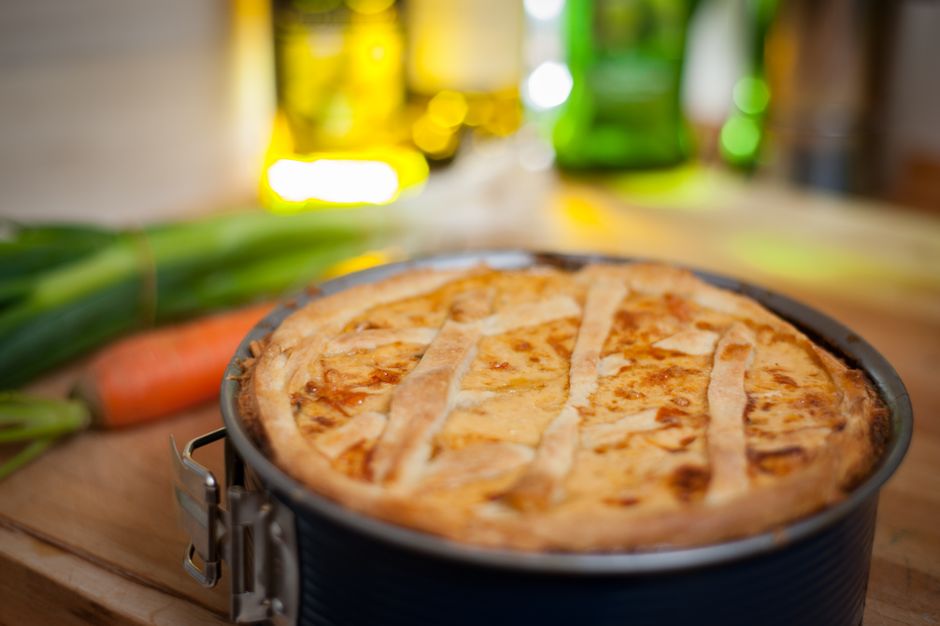
German Zwiebelkuchen: A Savory Onion Pie for All Seasons
German Zwiebelkuchen, a rustic and deeply satisfying onion pie, stands as a testament to simple ingredients transformed into extraordinary flavor. While its name directly translates to "onion cake," it is far from sweet. Instead, Zwiebelkuchen is a savory masterpiece, a hearty and comforting dish that evokes the warmth of German kitchens and the bounty of autumn harvests. Its origins are deeply rooted in rural German culinary traditions, where resourceful cooks utilized readily available ingredients to create nourishing meals. Historically, onions were a staple crop, easy to grow and store, making them an economical and flavorful base for countless dishes. Zwiebelkuchen likely emerged as a way to use large quantities of onions, often accompanied by cured meats like bacon or speck, and bound together by a simple egg and cream mixture. The dough itself varies, from a yeasted dough providing a slightly chewy, bread-like crust to a shortcrust pastry offering a more crumbly and buttery foundation. This adaptability allows for regional variations and personal preferences, ensuring Zwiebelkuchen remains a beloved and evolving dish. Its preparation is relatively straightforward, making it accessible for home cooks of all skill levels, yet its complex flavor profile, a harmonious blend of sweet caramelized onions, salty bacon, and a hint of sharpness from the egg and dairy, makes it a sophisticated addition to any meal.
The defining characteristic of German Zwiebelkuchen is, unequivocally, its onion filling. The selection and preparation of the onions are paramount to achieving the pie’s signature taste and texture. Traditionally, yellow onions are the go-to choice due to their balanced sweetness and pungency, which mellows beautifully during cooking. However, red onions can also be incorporated for a slightly deeper color and a more pronounced, albeit still sweet, flavor. The quantity of onions is substantial, often overwhelming the senses with their sheer volume before cooking. The key to unlocking their full flavor potential lies in the slow and gentle caramelization process. This isn’t a quick sauté; rather, it involves a patient, low-and-slow cooking method that draws out the natural sugars within the onions, transforming them from sharp and acrid to profoundly sweet and deeply savory. This process can take anywhere from 30 minutes to over an hour, depending on the heat and the desired level of caramelization. Some recipes advocate for adding a touch of sugar or honey to accelerate the caramelization, but purists maintain that the onions’ inherent sugars are sufficient. The addition of rendered bacon fat or butter during this stage not only prevents sticking but also infuses the onions with a rich, smoky, and fatty undertone that is integral to the authentic Zwiebelkuchen experience. The finely diced or thinly sliced onions are gradually softened, then allowed to brown, developing a complex sweetness that forms the soul of the pie.
The supporting cast of ingredients in Zwiebelkuchen is crucial for balancing the intense onion flavor and providing structural integrity to the pie. Salted pork, most commonly bacon or speck (a smoked, cured pork belly), is an indispensable element. The salty, smoky, and fatty rendered pieces of bacon are typically cooked separately and then scattered amongst the caramelized onions. This addition provides a delightful textural contrast to the soft onions and introduces a savory counterpoint that cuts through the richness. The rendered fat from the bacon is often used to sauté the onions, further enhancing their flavor. Beyond the pork, a binding agent is necessary to hold the filling together and create a cohesive slice. This is usually achieved with a mixture of eggs and a dairy product, typically sour cream, heavy cream, or a combination of both. The eggs act as a binder, while the cream contributes richness and a velvety texture. Some recipes might also incorporate a touch of milk to lighten the mixture. The acidity of sour cream can add a pleasant tang that further balances the sweetness of the onions. A pinch of nutmeg or white pepper is often added to the egg and cream mixture, lending a subtle warmth and complexity that complements the savory notes. Caraway seeds, though not always present, are a delightful addition that aligns with other traditional German baking flavors, offering a faint anise-like aroma and a slightly peppery bite. The careful layering and incorporation of these elements ensure that each bite of Zwiebelkuchen is a symphony of textures and tastes.
The crust of German Zwiebelkuchen is as varied as the regions from which it hails. Two primary types dominate: a rustic yeasted dough and a more delicate shortcrust pastry. The yeasted dough, often referred to as "Hefeteig" in German, offers a chewy, bread-like base that stands up well to the substantial, moist filling. This approach transforms Zwiebelkuchen into a more substantial meal, akin to a savory flatbread or focaccia topped with the onion mixture. The dough is typically made with flour, water or milk, yeast, a pinch of sugar, and a bit of salt, then allowed to rise before being pressed or rolled into the pie dish. The slightly risen crust creates a satisfying chew and a pleasant contrast to the soft filling. Conversely, a shortcrust pastry, or "Mürbeteig," provides a more traditional pie-like experience. This buttery, crumbly crust is made with flour, cold butter or lard, and a little water. It offers a more delicate foundation, yielding a crisp and flaky texture that melts in your mouth. The choice between these crusts often comes down to personal preference and the desired overall texture of the Zwiebelkuchen. Some recipes may even feature an open-faced preparation, foregoing a bottom crust entirely and relying on a sturdy base of pastry or even a simple greased pie dish to hold the filling, emphasizing the onion topping. Regardless of the chosen dough, it must be robust enough to contain the generous amount of filling, ensuring that the Zwiebelkuchen holds its shape when sliced and served.
Preparing German Zwiebelkuchen involves a methodical process, ensuring each component contributes its best to the final dish. The initial step, as previously detailed, is the meticulous caramelization of the onions. This is the foundation of the flavor. While the onions are slowly cooking, the bacon is typically rendered until crisp. The rendered fat is then drained, reserving some for the onions, and the crispy bacon bits are set aside. The dough, whether yeasted or shortcrust, is prepared according to its specific recipe. For a yeasted dough, this involves mixing the ingredients, kneading, and allowing it to rise. For a shortcrust, it’s about cutting the cold fat into the flour until it resembles coarse crumbs, then adding just enough liquid to bring it together. The dough is then pressed or rolled to fit a greased pie dish or tart pan. Once the crust is in place, the caramelized onions are spread evenly over the base. The reserved crispy bacon pieces are then scattered over the onions. The egg and cream mixture, seasoned with salt, pepper, and nutmeg, is then poured over the filling, ensuring it distributes evenly and coats the ingredients. Some recipes might call for a sprinkle of caraway seeds at this stage. The Zwiebelkuchen is then baked in a preheated oven. The baking time and temperature will vary depending on the oven and the type of crust, but generally, it involves baking until the crust is golden brown and the filling is set and slightly puffed. A common temperature range is 180-200°C (350-400°F). The pie is typically baked for 30-45 minutes, or until a skewer inserted into the center comes out clean. Allowing the Zwiebelkuchen to cool slightly before slicing is crucial, as this allows the filling to fully set, preventing it from becoming too runny.
German Zwiebelkuchen is a versatile dish, perfect for a variety of occasions and serving styles. It is traditionally enjoyed during the autumn months, particularly around the grape harvest, where it is often paired with new wine (Federweißer or Federroter), a young, lightly fermented wine that has a slightly sweet and effervescent character. This pairing is a quintessential German culinary experience, the slight sweetness and tang of the new wine cutting through the richness of the onion pie beautifully. However, Zwiebelkuchen is far too delicious to be confined to a single season. It is an excellent choice for a light lunch, served with a simple green salad dressed with a vinaigrette. It makes for a hearty supper, particularly when accompanied by a dollop of sour cream or a side of pickled vegetables like gherkins or sauerkraut. Its savory nature also makes it a popular accompaniment to beer gardens and Oktoberfest celebrations. Beyond its traditional pairings, Zwiebelkuchen can be enjoyed as an appetizer, cut into small squares for a party, or as part of a larger buffet. Its robust flavors can stand up to richer accompaniments like mustard or a sharp horseradish sauce. The visual appeal of a golden-brown crust and a rich, onion-filled center makes it a welcoming sight on any table. It is often served warm, though it is also quite palatable at room temperature, making it a convenient option for picnics or potlucks. The comforting nature of this dish makes it a welcome presence during cooler months, but its savory depth ensures it is appreciated year-round.
Variations on the classic German Zwiebelkuchen abound, reflecting the regional diversity and individual creativity within German cuisine. Some regions opt for a thinner, almost cracker-like crust, akin to a very savory tart, while others prefer a thicker, doughier base. The type and quantity of pork can also be altered. While bacon and speck are traditional, some recipes might incorporate smoked ham or even a spicy sausage for a different flavor profile. The dairy component offers flexibility as well. A lighter version might use more milk and less cream, while a richer iteration would lean heavily on heavy cream. For those seeking a vegetarian adaptation, the bacon can be omitted entirely, and the onions can be sautéed in butter or olive oil. To compensate for the lost savory notes, a pinch of smoked paprika or a splash of soy sauce can be added to the onion mixture, or crumbled vegetarian bacon alternatives can be used. Some modern interpretations might include a hint of cheese, such as Gruyère or Emmental, melted into the egg and cream mixture, adding another layer of umami and richness. Another interesting variation involves the inclusion of leeks alongside the onions, providing a milder, sweeter onion flavor. The addition of herbs, such as chives or parsley, can also offer a fresh counterpoint to the rich filling. Ultimately, the beauty of Zwiebelkuchen lies in its adaptability. It’s a dish that encourages experimentation, allowing home cooks to tailor it to their specific tastes and dietary needs while still honoring its rustic German heritage.
The culinary significance of German Zwiebelkuchen extends beyond its delicious flavor. It represents a philosophy of using simple, readily available ingredients to create deeply satisfying meals. It embodies the spirit of German home cooking, characterized by its heartiness, its practicality, and its emphasis on robust, comforting flavors. This onion pie is a testament to the fact that even the humblest of ingredients, when treated with care and patience, can be transformed into something truly special. It is a dish that connects generations, passed down through family recipes and enjoyed at communal gatherings. In a world increasingly driven by fleeting culinary trends, Zwiebelkuchen stands as a grounding force, a reminder of the enduring appeal of traditional, honest food. Its widespread popularity in Germany, from family kitchens to bustling beer gardens, speaks volumes about its status as a beloved national dish. It is more than just a recipe; it is a cultural icon, a symbol of German hospitality and culinary heritage. The enduring appeal of Zwiebelkuchen lies in its ability to evoke a sense of comfort, tradition, and the simple joy of sharing good food. It is a dish that nourishes both the body and the soul, a true celebration of the humble onion and the resourceful spirit of German cooking. Its SEO potential lies in its descriptive nature and its broad appeal to those interested in German cuisine, comfort food, and savory pies. Keywords such as "German onion pie," "Zwiebelkuchen recipe," "savory German tart," "onion and bacon pie," and "traditional German food" will attract relevant search traffic. Its detailed description and variations cater to a wide range of searches, from beginner cooks looking for a simple recipe to experienced food enthusiasts seeking authentic culinary experiences.
