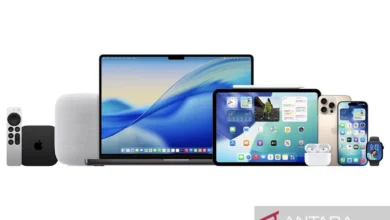
Navigating the Complex World of Smartphones: Essential Features for a Future-Proof Device


In an era defined by relentless technological advancement, the task of selecting a smartphone has evolved from a simple purchase into a complex strategic decision. Each year, global manufacturers unleash a torrent of new models, replete with a dazzling array of innovations, often leaving consumers bewildered and struggling to discern genuine progress from mere marketing hype. The rapid obsolescence of electronic devices underscores the critical need for informed choices, ensuring that a significant investment yields a device that remains relevant, efficient, and capable of meeting evolving demands for years to come. To avoid the frustration of acquiring a device that quickly feels outdated, it is paramount for consumers to understand the fundamental features that now constitute the benchmark for modern smartphones. By recognizing these essential attributes from the outset, buyers can confidently acquire a device that not only meets their immediate needs but also offers longevity, an optimal user experience, and the capability to seamlessly integrate with future technological shifts. This comprehensive guide, compiled from extensive industry analysis and expert insights, delineates the indispensable features of contemporary smartphones, empowering consumers to make future-proof decisions in a rapidly changing digital landscape.
The Evolving Smartphone Landscape: A Decade of Transformation
The smartphone market has undergone a dramatic transformation over the past decade, moving from a focus on basic connectivity and communication to a sophisticated ecosystem of mobile computing, entertainment, and productivity. Early smartphones were primarily distinguished by their operating systems and basic internet capabilities. However, with the advent of high-resolution displays, advanced camera modules, and increasingly powerful processors, these devices have become indispensable extensions of our digital lives. The sheer volume of new releases, coupled with aggressive marketing, creates a challenging environment for consumers. According to recent market analysis, the average smartphone replacement cycle has extended slightly to around 2.5 to 3 years in developed markets, indicating a greater consumer desire for devices that offer sustained performance and feature relevance. This shift necessitates a more thoughtful approach to purchasing, prioritizing features that offer long-term value over fleeting trends.
Powering the Digital Experience: Processors and AI Integration
At the very heart of any smartphone lies its processor, or chipset, the central nervous system that dictates virtually every aspect of the device’s performance. From the fluidity of app navigation and the intensity of mobile gaming to the intricate processing of computational photography, the capabilities of the chipset are paramount. In modern smartphones, an ideal chipset transcends mere speed; it must also exhibit remarkable power efficiency and, crucially, possess robust support for Artificial Intelligence (AI).
The integration of AI, often facilitated by dedicated Neural Processing Units (NPUs) within the chipset, is no longer a niche feature but a foundational element. AI empowers the system to intelligently adapt performance in real-time, dynamically allocating resources to optimize power consumption for extended battery life. Furthermore, AI plays a transformative role in enhancing photographic output, utilizing sophisticated algorithms for computational photography to improve image quality in diverse lighting conditions, refine portrait modes, and enable advanced video stabilization. This intelligent processing capability is a key differentiator, moving beyond raw megapixel counts to deliver superior user experiences.
When evaluating a device, prospective buyers should pay close attention to the specific chipset employed. For flagship devices, Qualcomm’s Snapdragon 8 Gen series or MediaTek’s Dimensity 9000 series are widely recognized for their formidable power and efficiency, rivaling even desktop-class performance. Apple’s A-series Bionic chips and Google’s Tensor processors also represent the pinnacle of mobile computing, particularly for their integrated AI capabilities optimized for their respective ecosystems. In the competitive mid-range segment, chipsets like Qualcomm’s Snapdragon 7 series or MediaTek’s Dimensity 8000 series offer more than sufficient power for daily tasks, demanding applications, and even moderate gaming, striking an excellent balance between performance and cost-effectiveness. The presence of a capable AI engine ensures that the smartphone can handle emerging AI-driven applications and maintain optimal performance as software demands grow.
Durability and Design: The Importance of Build Quality and IP Ratings
While aesthetic design and material choices often cater to individual preferences, the physical resilience of a smartphone is an undeniable and critical factor. A well-engineered smartphone must feature a robust frame and high-quality materials that can withstand the rigors of daily use. Beyond the tactile feel and visual appeal, prospective owners should meticulously verify the presence of an IP (Ingress Protection) rating, which serves as an international standard indicating a device’s resistance to dust and water ingress.
An IP68 rating, for instance, signifies that a device is fully protected against dust intrusion and can endure immersion in water up to a specified depth and duration, typically 1.5 meters for 30 minutes. This level of protection offers significant peace of mind, mitigating the risks associated with accidental spills, rain exposure, or even brief submersions. While IP68 is a gold standard often found in premium devices, even a more modest IP53 or IP54 rating provides a valuable layer of protection against splashing water or light rain, which is essential for preserving the device’s internal components. The absence of any IP rating should be a red flag, as it indicates a vulnerability to common environmental hazards that can significantly shorten a phone’s lifespan. The increasing adoption of tougher glass, such as various generations of Corning Gorilla Glass, further enhances screen durability against scratches and drops, contributing to the overall longevity of the device. Industry trends suggest that consumers are increasingly valuing durability as a key purchase criterion, recognizing that a resilient device translates to a longer period of utility and fewer repair costs.
Immersive Soundscapes: The Advantage of Stereo Speakers
The audio performance of a smartphone is an often-underestimated feature that profoundly impacts the overall entertainment experience. While many users tend to overlook the sound quality, devices equipped with stereo speakers offer a significantly more immersive and balanced audio output compared to their mono counterparts. Stereo setups typically involve a combination of a bottom-firing speaker and either an earpiece acting as a secondary speaker or a dedicated top speaker.
This configuration creates a wider soundstage, delivering richer, more nuanced audio that enhances everything from video playback and mobile gaming to music listening. The ability to distinguish spatial audio cues can elevate the immersion in games and movies, making the content more engaging and enjoyable. Mono speakers, by contrast, often produce a flatter, less dynamic sound profile, which can detract from the multimedia experience. As smartphones increasingly serve as primary entertainment hubs, the inclusion of stereo speakers is becoming a standard expectation, offering a tangible upgrade to user satisfaction without significantly impacting cost. The trend towards bezel-less designs has challenged speaker placement, yet manufacturers continue to innovate, embedding sophisticated audio solutions to deliver a premium sound experience.
Beyond Megapixels: The Art and Science of Smartphone Photography
For a substantial segment of smartphone users, the camera system stands as the preeminent factor influencing their purchasing decision. While the megapixel count continues to climb, it is a common misconception that higher megapixels automatically equate to superior image quality. In reality, a truly excellent camera system relies on a confluence of factors, including sensor size, lens aperture, and the presence of advanced stabilization technologies.
A larger sensor can capture more light, resulting in better low-light performance and reduced noise. A wider lens aperture (represented by a smaller f-number) allows more light to reach the sensor, further enhancing low-light capabilities and enabling desirable shallow depth-of-field effects (bokeh). Crucially, Optical Image Stabilization (OIS) has become an indispensable feature. OIS mechanically compensates for subtle hand movements when taking photos or recording videos, dramatically reducing blur, particularly in challenging low-light conditions or when zooming. Electronic Image Stabilization (EIS) complements OIS, especially in video recording, providing buttery-smooth footage.
Beyond these fundamental hardware elements, modern smartphone photography is heavily reliant on computational photography. Features like High Dynamic Range (HDR), Night Mode, and advanced Portrait Modes leverage the chipset’s AI capabilities to merge multiple exposures, reduce noise, and intelligently separate subjects from backgrounds, producing stunning results that often rival dedicated cameras.
Furthermore, a versatile camera setup should include an ultrawide-angle lens. This lens is invaluable for capturing expansive landscapes, grand architectural structures, or large group photos, offering a much broader field of view than a standard lens. Telephoto lenses, for optical zoom without quality loss, and macro lenses for extreme close-ups, further enhance versatility. Leading brands such as Apple, Samsung, Google, and Vivo have consistently demonstrated a commitment to delivering sophisticated camera systems, integrating cutting-edge hardware with powerful software algorithms to provide comprehensive photographic features that cater to both amateur and enthusiast photographers. The ability to record high-resolution video (e.g., 4K at 60fps) with advanced stabilization is also a critical consideration for content creators.
Seamless Connections: 5G and NFC as Modern Essentials
In an increasingly interconnected world, robust and future-proof connectivity options are non-negotiable. The advent of 5G technology represents a significant leap forward in mobile networking, offering dramatically faster download and upload speeds, significantly lower latency, and the capacity to support a massive number of connected devices simultaneously. While 5G network coverage may still be in various stages of deployment globally, including in Indonesia, choosing a smartphone with 5G support is a prudent long-term investment. This ensures the device remains relevant and capable of fully leveraging the benefits of ultra-fast mobile broadband as infrastructure continues to expand and mature.
Equally vital for modern daily life is Near Field Communication (NFC). What was once an exclusive feature of premium smartphones has now permeated the mid-range segment, becoming a widespread necessity. NFC’s utility extends far beyond mere convenience; it facilitates a multitude of essential functions. This includes effortlessly checking and topping up e-money balances for public transport or retail purchases, enabling secure contactless payments, and streamlining the process of pairing with other NFC-enabled devices like headphones or smart home gadgets. In some regions, NFC is even being adopted for digital keys and identity verification. The ubiquitous nature of mobile payments and smart card systems makes NFC an indispensable feature, simplifying daily transactions and enhancing overall user experience. Data from financial technology firms indicates a steady increase in NFC-based mobile payment adoption worldwide, solidifying its status as a core smartphone functionality.
The Power Backbone: Large Batteries and Rapid Charging
The capacity of a smartphone’s battery has become a fundamental concern, directly impacting a user’s autonomy and productivity. A large battery capacity is now considered a standard requirement for modern smartphones, with 5,000 mAh generally regarded as the ideal benchmark for ensuring a full day of intensive use on a single charge. However, mere capacity is insufficient without the concomitant capability for rapid recharging.
Fast charging technology has transformed the user experience, significantly reducing the downtime associated with power replenishment. A minimum of 33W fast charging is now considered a baseline for convenience, dramatically cutting down waiting times compared to conventional charging speeds. The trend continues towards even higher wattages, with many devices supporting 60W, 80W, or even over 100W fast charging, capable of fully charging a device in under 30 minutes. This technology is particularly beneficial for busy individuals who need to quickly top up their device during short breaks. When evaluating fast charging, it’s also important to consider the charging standard (e.g., USB Power Delivery, Qualcomm Quick Charge, proprietary solutions like Warp Charge or SuperVOOC) and whether the appropriate charger is included in the box. The blend of high capacity and rapid charging ensures that smartphones remain ready for action, minimizing interruptions to daily routines.
Safeguarding Your Device: Battery Health and Enhanced Security
Beyond sheer capacity and charging speed, the security and health of a smartphone’s battery system are increasingly critical, given that these devices house a vast array of sensitive personal data, from private photographs to banking credentials. Therefore, comprehensive battery protection features are essential for both user safety and device longevity.
Modern smartphones incorporate sophisticated battery management systems designed to prevent common issues. These include protection against short circuits, mechanisms to prevent overheating during charging or intensive use, and intelligent charging limitations. Features like "Protect Battery," found in some operating systems, can halt charging at a predetermined threshold (e.g., 85%) to prolong the overall lifespan of the battery by reducing the stress associated with prolonged full charges. These safeguards contribute significantly to maintaining the battery’s health over several years, delaying the inevitable degradation of capacity.
Furthermore, device security extends to data protection. Many contemporary smartphones offer enhanced security features such as dedicated secure folders or "private spaces" that act as digital vaults for sensitive files, applications, and personal information. These encrypted partitions provide an additional layer of defense against unauthorized access, complementing biometric authentication methods like fingerprint scanners and facial recognition. The integration of advanced security protocols, from hardware-level encryption to regular software updates addressing vulnerabilities, is paramount in protecting user privacy and financial data in an age of escalating cyber threats. The overall design should ensure that both the hardware and software contribute to a secure and reliable mobile experience, offering users peace of mind in their digital interactions.
Strategic Investment: Making an Informed Choice
The decision to purchase a new smartphone in today’s saturated market requires careful consideration and an understanding of the underlying technological advancements. By prioritizing features such as a powerful, AI-enabled processor, robust build quality with an IP rating, immersive stereo audio, a versatile and optically stabilized camera system, comprehensive 5G and NFC connectivity, a large battery with fast charging, and robust battery health and security protocols, consumers can make a strategic investment.
This informed approach not only guarantees an optimal user experience but also future-proofs the device against rapid obsolescence, ensuring it remains a valuable and capable tool for years to come. In an industry characterized by relentless innovation, understanding these core pillars of smartphone design empowers consumers to navigate the complexities, avoid common pitfalls, and ultimately choose a device that truly meets their evolving digital needs and expectations. The environmental implication of choosing a durable and long-lasting device is also significant, contributing to reduced electronic waste and a more sustainable consumption model.
Pewarta: Sean Anggiatheda Sitorus
Editor: Alviansyah Pasaribu
Copyright © ANTARA 2025
Related posts: