
Quotation Of The Day Fading Swiss Glaciers Force Traditions To Bend
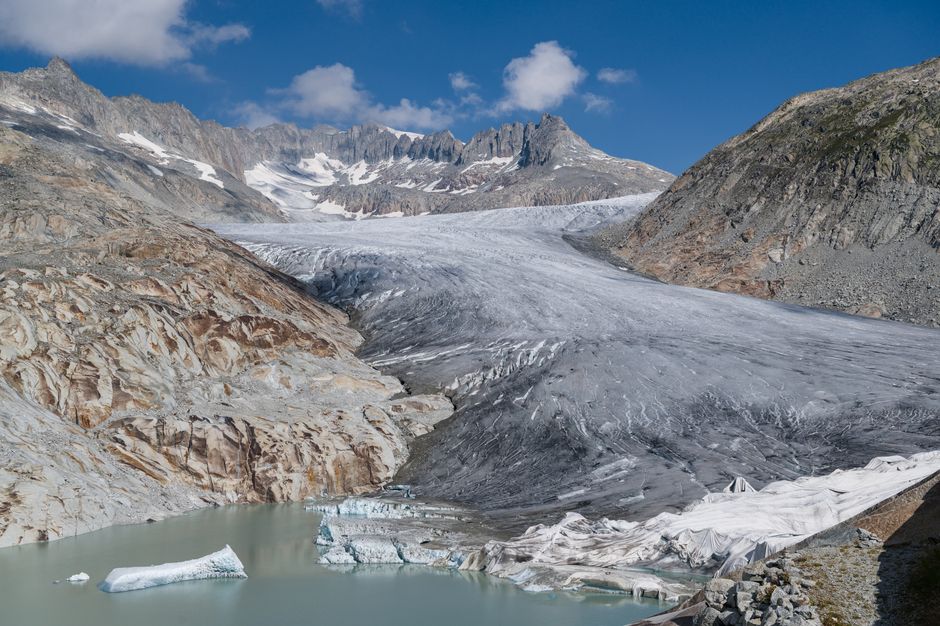
Quotation of the Day: Fading Swiss Glaciers Force Traditions to Bend
The stark reality of climate change is now etched into the very landscape of Switzerland, most visibly in the dramatic retreat of its iconic glaciers. The quotation, "Fading Swiss glaciers force traditions to bend," encapsulates a profound shift occurring in a nation deeply intertwined with its alpine heritage. For centuries, these frozen giants have been more than just geological features; they have been integral to Swiss identity, shaping economic activities, cultural practices, and even national myths. Now, as global temperatures rise and the ice recedes at an alarming rate, long-held traditions are facing unprecedented pressure to adapt or face extinction. This article will explore the multifaceted impacts of these shrinking glaciers, from their direct influence on tourism and resource management to their subtler but equally significant effect on cultural practices and the collective consciousness of the Swiss people. We will delve into specific examples of how these changes are forcing adaptation, examining both the challenges and the innovative solutions emerging in response to this environmental crisis.
The economic ramifications of melting glaciers are immediate and far-reaching. Switzerland’s tourism industry, a cornerstone of its economy, relies heavily on its pristine alpine scenery, and the glaciers are a significant draw. Ski resorts, for instance, are increasingly battling shorter winter seasons and reduced snow reliability, forcing them to invest in expensive artificial snow-making technology. This not only incurs substantial financial costs but also raises concerns about water consumption and energy usage, potentially exacerbating other environmental issues. Beyond skiing, glacier hiking and ice climbing are popular activities, but as glaciers shrink and crevasses widen, these experiences become more perilous and less accessible. Tour operators are forced to reroute trails, shorten excursions, and even cancel bookings, directly impacting local businesses and employment. The economic ripple effect extends to hotels, restaurants, and retail outlets in mountain communities that depend on the influx of tourists drawn by the allure of glacial landscapes. The perception of Switzerland as a winter wonderland is being challenged, and the long-term sustainability of alpine tourism models requires a fundamental re-evaluation. Furthermore, the melting ice releases historically trapped pollutants, posing a threat to downstream water sources and ecosystems.
Water resources are intrinsically linked to glacial melt. For much of Switzerland and neighboring European countries, glaciers act as natural reservoirs, releasing meltwater gradually throughout the warmer months, replenishing rivers and supplying drinking water. As these reservoirs diminish, the predictable flow of water is disrupted. This poses a significant challenge for agriculture, which relies on irrigation during dry periods, and for hydropower generation, a crucial source of renewable energy for Switzerland. Reduced water availability can lead to increased competition for this precious resource, potentially sparking inter-regional and even international tensions. Water management strategies are being recalibrated, with a greater emphasis on efficient water use, water storage solutions like reservoirs, and the exploration of alternative water sources. The long-term planning for water security in a glacier-scarce future is becoming an urgent priority for policymakers and environmental agencies. The once-reliable pulse of the mountain streams is becoming more erratic, a tangible symptom of a changing climate that demands proactive adaptation.
The cultural fabric of Switzerland is woven with threads of its alpine environment, and the fading glaciers represent a direct assault on this heritage. Many Swiss traditions are rooted in the mountains and their icy inhabitants. For example, the practice of "Alpkäserei" (alpine cheesemaking) often takes place in high-altitude pastures, where meltwater from glaciers historically ensured lush grazing. As these pastures shrink or dry up, the viability of these traditional agricultural practices is threatened. The annual "Viehscheid" or "Désalpe," the colorful procession of cows returning from mountain pastures to the valleys in autumn, is a deeply symbolic event. While the herds may still descend, the narrative of a bountiful summer sustained by the vastness of alpine ice is losing its resonance. Folkloric tales and legends often feature glaciers and the spirits believed to inhabit them. These stories, passed down through generations, are losing their grounding in a tangible reality as the glaciers themselves disappear. The collective memory of a glacier-kissed homeland is being rewritten by the stark reality of exposed rock and receding ice.
The scientific community is at the forefront of documenting and understanding the rapid changes occurring in the Swiss Alps. Glaciologists are meticulously tracking the volume and mass balance of glaciers, providing invaluable data that underscores the urgency of climate action. Their research forms the basis for policy decisions and public awareness campaigns. Beyond pure scientific observation, the fading glaciers are also becoming a powerful symbol in climate activism. Environmental organizations are using striking imagery of retreating glaciers to highlight the devastating consequences of global warming and to advocate for stronger climate policies. International conferences and summits often feature poignant visual reminders of the melting ice, serving as a potent metaphor for the global environmental crisis. The scientific evidence is undeniable, and the visual starkness of shrinking glaciers amplifies the message of urgency.
The adaptation strategies being implemented across Switzerland are as diverse as the traditions they seek to preserve. In tourism, there’s a growing focus on developing year-round attractions that are less dependent on snow and ice, such as hiking, mountain biking, and cultural tourism. High-altitude regions are exploring new forms of sustainable energy generation, while initiatives are underway to preserve traditional agricultural methods through modern innovation and support systems. For example, efforts are being made to adapt grazing practices to changing vegetation patterns and to support farmers in finding resilient crop varieties. The preservation of cultural heritage is also taking on new forms, with a greater emphasis on documenting oral histories, archiving traditional crafts, and creating educational programs that explain the historical and cultural significance of glaciers. Museums and cultural centers are re-examining their exhibits to reflect the changing landscape and the new challenges it presents.
The psychological and emotional impact of disappearing glaciers on the Swiss psyche should not be underestimated. For generations, these majestic formations have represented permanence, stability, and the raw power of nature. Their erosion can evoke feelings of loss, nostalgia, and a sense of diminished national identity. There’s a palpable sense of mourning for a landscape that is irrevocably changing. This emotional connection to the glaciers is a powerful motivator for action, driving a desire to protect what remains and to mitigate further damage. The "fading" of the glaciers is not just an environmental event; it’s a deeply felt cultural and emotional experience for many Swiss citizens. This can translate into increased public support for climate policies and a willingness to embrace lifestyle changes that contribute to a more sustainable future.
In conclusion, the quotation "Fading Swiss glaciers force traditions to bend" serves as a powerful distillation of a complex and multifaceted reality. The accelerating retreat of Switzerland’s glaciers is not merely an ecological concern; it is an economic, cultural, and deeply personal challenge that is compelling a nation to adapt. From the ski slopes to the mountain pastures, from the legends whispered in alpine villages to the scientific data meticulously collected by glaciologists, the evidence of change is undeniable. The traditional reliance on the predictable bounty of ice is being replaced by a necessity for innovation, resilience, and a profound re-evaluation of humanity’s relationship with its environment. The bending of traditions is not a sign of weakness, but rather a testament to the adaptability and foresight of a nation confronting the undeniable consequences of a warming world. The future of Swiss heritage, intertwined with its frozen peaks, now depends on its ability to embrace these changes and forge new traditions rooted in sustainability and respect for a rapidly transforming planet. The ongoing narrative of the fading Swiss glaciers is a crucial chapter in the global story of climate change, offering vital lessons and stark warnings for communities worldwide. The urgent need for global action is amplified by the visual evidence of these iconic natural wonders disappearing before our eyes, underscoring the interconnectedness of local impacts and global environmental health. The economic viability of entire regions, the security of water resources, and the very essence of cultural identity are all being reshaped by the relentless march of climate change, as exemplified by the poignant reality of Switzerland’s vanishing glaciers.
