
Tag Red Sea Trade
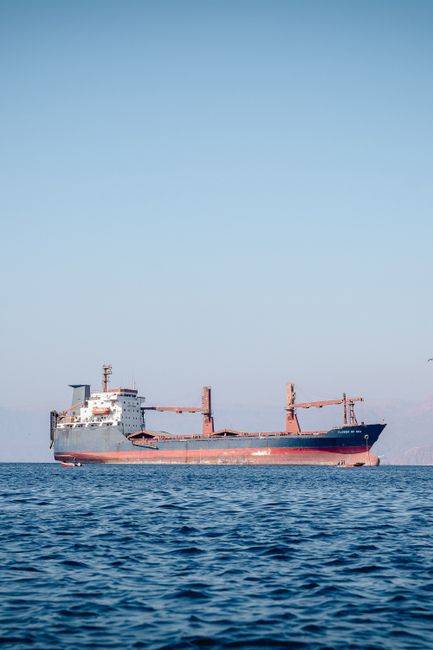
Tag Red Sea Trade: Navigating Historical Currents and Modern Opportunities
The Red Sea, a crucial maritime artery connecting the Mediterranean Sea to the Indian Ocean, has been a nexus of global trade for millennia. Its strategic geographical position, flanked by the Arabian Peninsula and Northeast Africa, has fostered vibrant trade networks, influencing the rise and fall of empires, the dissemination of ideas, and the flow of commodities. This article explores the historical significance of Red Sea trade, its evolution through different eras, and the contemporary landscape of trade routes, challenges, and opportunities within this vital waterway. Understanding the nuances of Red Sea trade is essential for businesses, policymakers, and anyone interested in the interconnectedness of global commerce.
Historically, the Red Sea’s importance as a trade route can be traced back to ancient civilizations. The Egyptians, Romans, Greeks, and various Arabian and African kingdoms all leveraged its waters for commerce. Early trade routes utilized the monsoon winds to traverse the Arabian Sea and reach the Red Sea ports, facilitating the exchange of luxury goods such as spices, incense, precious metals, textiles, and exotic animals between the Mediterranean world and the East. The Periplus of the Erythraean Sea, a 1st-century CE Greco-Roman text, provides invaluable insights into the flourishing trade at that time, detailing ports, commodities, and trading practices. The Egyptians, particularly during the New Kingdom, actively engaged in maritime trade with Punt, believed to be located on the Horn of Africa, from where they imported frankincense, myrrh, ebony, ivory, and gold. The Romans, after their conquest of Egypt, further integrated the Red Sea into their vast trading network, establishing major ports like Berenice and Myos Hormos to serve as gateways to India and beyond. This trade not only fueled economies but also led to significant cultural exchange, with Hellenistic and Roman influences reaching as far as India and vice-versa. The Silk Road, while primarily a land-based network, often found its maritime terminus at Red Sea ports, from where goods were transported overland to the Mediterranean. The very existence of such extensive ancient trade testifies to the inherent advantages of the Red Sea’s location, predating the Suez Canal by millennia and underscoring its enduring role as a conduit for global interaction.
The rise of Islam in the 7th century CE significantly reshaped the dynamics of Red Sea trade. Islamic empires, particularly the early Caliphates, controlled vast swathes of territory bordering the Red Sea, consolidating trade routes and fostering economic prosperity. Ports like Jeddah and Aden became major trading hubs, connecting the Arabian Peninsula with East Africa and the Indian subcontinent. The overland pilgrimage routes to Mecca also converged with these maritime trade networks, further enhancing their economic significance. During this period, the Red Sea facilitated the movement of goods such as textiles, grain, slaves, and spices. The economic power of Islamic merchants grew, and their influence extended across vast distances. The Abbasid Caliphate, in particular, saw a flourishing of trade and urban centers along the Red Sea coast. This era was characterized by a sophisticated system of credit and partnerships, enabling merchants to undertake long and risky voyages. While often romanticized, the trade of slaves was also a grim reality, with significant numbers of individuals being transported from East Africa to markets in the Middle East and beyond. The flow of knowledge and technology also accompanied these trade routes, with advancements in navigation, shipbuilding, and cartography being shared across different cultures. The establishment of organized caravanserais along overland routes leading to Red Sea ports further facilitated the movement of goods and travelers, creating a complex and interconnected commercial landscape. The resilience of these trade networks, even through periods of political fragmentation, highlights the fundamental economic imperative of the Red Sea as a transit point.
The Age of Exploration and the subsequent European colonial expansion brought about profound shifts in global trade patterns. While the Portuguese discovered an all-sea route to India around Africa, circumventing the traditional Red Sea routes, the Red Sea retained its importance, particularly with the rise of Ottoman power in the region. The Ottoman Empire controlled significant portions of the Red Sea coast, managing its trade and defending it against rivals. However, the true game-changer for modern Red Sea trade was the construction of the Suez Canal, completed in 1869. This engineering marvel dramatically reduced transit times between Europe and Asia, bypassing the long and arduous journey around Africa. The Suez Canal instantly elevated the Red Sea to its current status as one of the world’s busiest and most strategically vital shipping lanes. It connected the Mediterranean Sea directly to the Gulf of Aden, opening up unprecedented opportunities for international commerce. The canal’s opening led to a surge in shipping traffic, facilitating the rapid movement of raw materials from Asia to Europe and manufactured goods from Europe to Asia. This had a transformative impact on global supply chains, enabling faster and more cost-effective trade. The geopolitical implications were also immense, as European powers vied for influence and control over this critical chokepoint. The canal’s ownership and operation became a major point of contention, culminating in events like the Suez Crisis of 1956, which underscored its global strategic importance. The increased volume of trade also spurred the development of port infrastructure along the Red Sea, from Egypt to Yemen, further solidifying its role in global logistics. The canal’s impact on the global economy cannot be overstated, as it fundamentally altered the geography of international trade and continues to be a lynchpin of global supply chains.
Today, the Red Sea remains a linchpin of global trade, facilitating a significant portion of the world’s shipping traffic. The Suez Canal, managed by the Suez Canal Authority, handles approximately 12% of global trade volume annually. Its strategic importance is undeniable, serving as a conduit for oil, manufactured goods, agricultural products, and raw materials. Key commodities transiting the canal include crude oil and petroleum products from the Persian Gulf to Europe and North America, containerized goods from East Asian manufacturing hubs to European and American markets, and various other bulk and general cargo. The countries bordering the Red Sea – Egypt, Sudan, Eritrea, Djibouti, Somalia, Yemen, Saudi Arabia, and Jordan – are actively involved in leveraging its economic potential. Port development, infrastructure upgrades, and regional cooperation are ongoing efforts to enhance the efficiency and capacity of Red Sea trade. The economic impact on these littoral states is substantial, with ports acting as economic engines, creating employment opportunities, and attracting foreign investment. Djibouti, for instance, has strategically positioned itself as a major logistics hub for East Africa, benefiting immensely from its Red Sea access and proximity to the Suez Canal. Saudi Arabia, through its Vision 2030 plan, is investing heavily in port infrastructure and logistics along its Red Sea coast, aiming to diversify its economy and become a global trade gateway. The economic benefits extend beyond the immediate coastal regions, with countries inland also relying on Red Sea ports for their international trade. The interconnectedness of global supply chains means that disruptions in the Red Sea can have far-reaching consequences, impacting businesses and consumers worldwide. The continuous flow of goods through this waterway is a testament to its enduring economic relevance in the 21st century.
Despite its critical importance, Red Sea trade faces several challenges. Geopolitical instability in the region, including conflicts and political tensions in Yemen and other bordering countries, poses a significant risk to maritime security and trade flows. Piracy, though largely curbed by international efforts, remains a potential threat in certain areas. Environmental concerns, such as oil spills and pollution, also require careful management and mitigation strategies. The operational efficiency of the Suez Canal itself, including its capacity and the potential for blockages, is a constant consideration for global trade. Recent events, such as the blockage of the Suez Canal by the Ever Given in 2021, highlighted the vulnerability of this single chokepoint and the cascading effects of disruptions. The ongoing geopolitical situation in the Red Sea, particularly attacks on shipping by Houthi rebels originating from Yemen, has led to significant diversions and increased shipping costs as vessels reroute around the Cape of Good Hope. This has a direct impact on global supply chains, leading to longer transit times and higher prices for consumers. Furthermore, the environmental footprint of increased maritime traffic necessitates sustainable practices and robust regulations to minimize pollution and protect marine ecosystems. The security of the waterway is paramount, requiring coordinated efforts from regional navies and international partners to deter piracy and ensure safe passage for vessels. The reliance on a single canal also presents a strategic vulnerability that needs continuous monitoring and contingency planning.
The future of Red Sea trade holds significant potential for growth and development. Ongoing investments in port infrastructure, logistics, and intermodal transportation networks are enhancing the capacity and efficiency of the region. The Belt and Road Initiative, with its focus on infrastructure development and connectivity, has the potential to further integrate Red Sea trade into wider global networks. Digitalization and technological advancements in maritime logistics, such as the use of AI for route optimization and port management, are poised to streamline operations and improve efficiency. Regional cooperation and the establishment of economic corridors are crucial for fostering sustainable growth and addressing shared challenges. The development of new energy sources and the growing demand for renewable energy technologies will also influence trade flows through the Red Sea. The expansion of ports like Jeddah Islamic Port, Yanbu Commercial Port, and the development of new economic zones along the Saudi Red Sea coast signal a strategic intent to capitalize on this growth. Similarly, Egypt’s investments in expanding port capacity and developing logistics hubs along the Suez Canal aim to maximize its strategic advantage. The growing economic ties between Africa and Asia, with many African nations utilizing Red Sea ports for their exports and imports, will continue to drive trade volumes. The increasing importance of diversified energy sources and the global transition towards cleaner energy will also shape the types of commodities transiting the Red Sea.
In conclusion, Red Sea trade has been a cornerstone of global commerce for millennia, evolving from ancient spice routes to modern maritime superhighways. Its strategic location, coupled with technological advancements like the Suez Canal, has solidified its position as an indispensable artery for international trade. While challenges related to geopolitics, security, and environmental sustainability persist, the ongoing investments in infrastructure, the embrace of technological innovation, and the potential for increased regional cooperation paint a promising future for Red Sea trade. Understanding this dynamic and historically rich trade route is crucial for navigating the complexities of global supply chains and for recognizing its enduring impact on the world economy. The Red Sea remains a vital artery, pulsating with the lifeblood of global commerce, and its future will undoubtedly continue to shape international economic and geopolitical landscapes. The continued commitment to security, sustainability, and efficiency will be paramount in ensuring the Red Sea’s enduring role as a vital conduit for global trade in the decades to come.
