Tangerang Police Detain Over a Dozen Fans After Super League Match Viewing Party Erupts in Chaos


Tangerang City Metro Police apprehended more than a dozen supporters following a public viewing event of the Persija Jakarta versus Persib Bandung football match on Sunday, May 10th. The intense rivalry between these two Indonesian football giants, often referred to as the "El Clasico" of Indonesian football, once again spilled over into public spaces, leading to disruptions and requiring police intervention. The incident occurred in the Karawaci district of Tangerang City, highlighting the passionate, and at times unruly, nature of football fandom in the region.
Background and Context: A Fierce Rivalry
The match in question, a fixture in the Super League 2025/2026 season, saw Persija Jakarta suffer a 1-2 defeat against Persib Bandung. The game was held at the Segiri Stadium in Samarinda, a considerable distance from Tangerang, making public viewing events a popular alternative for fans unable to attend in person. These viewing parties, often organized by fan clubs or local businesses, aim to foster a sense of community and shared passion for their respective teams. However, the deeply ingrained rivalry between Persija and Persib means that emotions can run exceptionally high, especially in the aftermath of a significant match.
Persija Jakarta, based in the capital city of Jakarta, and Persib Bandung, from West Java, represent two of the most historically significant and widely supported football clubs in Indonesia. Their clashes are not merely sporting events; they are cultural phenomena that ignite widespread passion and, unfortunately, have a history of associated unrest. The intensity of this rivalry stems from geographical proximity, a long-standing competition for dominance in Indonesian football, and the sheer volume of dedicated fan bases for each club. Incidents involving fan misconduct, including clashes and property damage, have been a recurring concern for Indonesian football authorities and law enforcement for decades.
The Incident: Flare-Ups and Traffic Gridlock
The post-match euphoria, amplified by Persib’s victory, led to an overzealous display by a segment of Persija supporters in Tangerang. In an attempt to express their disappointment or perhaps in a misguided show of defiance, a group of teenagers, believed to be Persija fans, ignited flares in the middle of Jalan Imam Bonjol in Karawaci. This act, intended to punctuate their emotions, had unintended and immediate negative consequences.
The unauthorized use of flares in a public thoroughfare created a significant safety hazard and severely disrupted normal life. The pyrotechnics not only caused a spectacle but also led to a considerable build-up of traffic, creating a prolonged gridlock. The situation escalated as the flares attracted a large crowd of onlookers and participants, transforming the road into a chaotic scene. Reports indicate that the situation was on the verge of escalating into physical altercations between the groups of fans, fueled by the charged atmosphere and the opposing allegiances.
Police Response and Prevention Efforts
Recognizing the potential for further escalation and the risk to public safety, the Tangerang City Metro Police swiftly deployed dozens of personnel to the scene. The primary objective of the police operation was to de-escalate the situation, disperse the unruly crowd, and prevent any potential clashes between the rival fan groups. Officers were tasked with managing the traffic flow, ensuring the safety of innocent bystanders, and apprehending individuals involved in the disruptive activities.
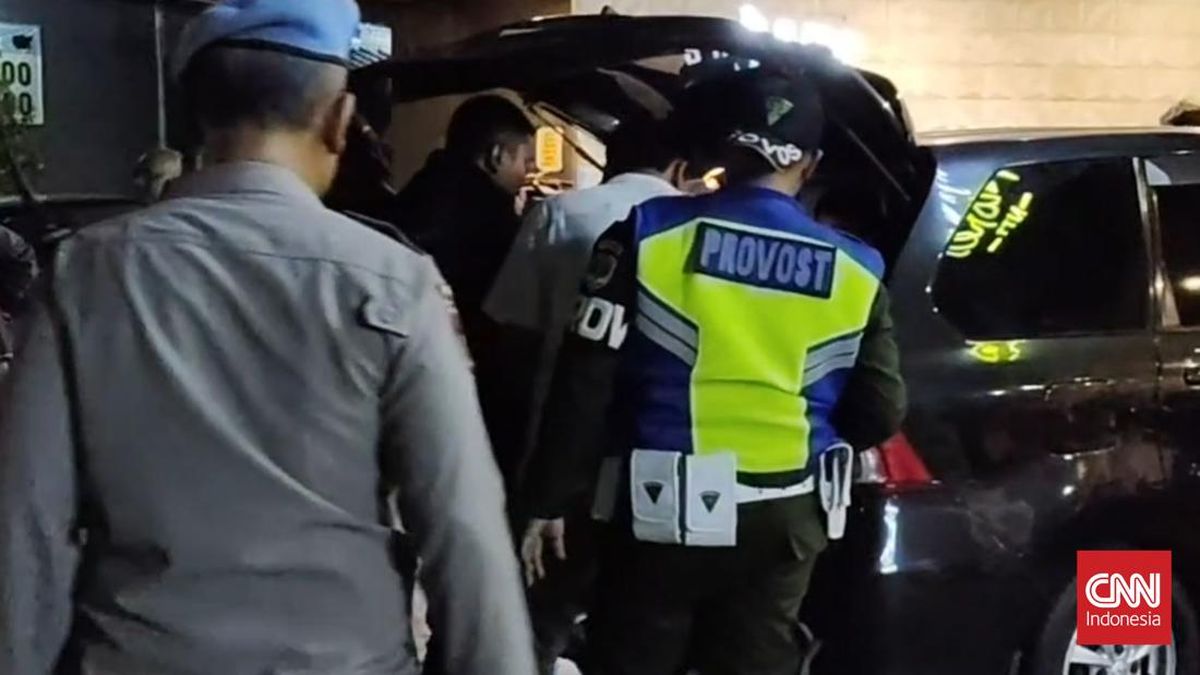
The police presence was crucial in preventing what could have easily devolved into a more serious confrontation. By intervening promptly, law enforcement officers were able to dismantle the gathering and restore order to the affected area. The prompt action underscored the authorities’ commitment to maintaining public peace and order, especially during high-profile sporting events that carry a significant risk of fan-related disturbances.
Official Statements and Police Account
Kompol Kresna, the Chief of the Karawaci Police Sector, provided a statement regarding the incident. He confirmed that the police, in conjunction with elements of the three pillars of governance (police, military, and local government), had been providing security coverage since the public viewing event commenced on Sunday afternoon.
"We were securing the nobar [public viewing] of Persib versus Persija at Bajawa Imam Bonjol, Karawaci," stated Kresna, addressing the commotion that ensued after the match. He acknowledged that there was a minor misunderstanding, but crucially, it did not escalate into physical altercations. This was attributed to the police’s proactive measures, including establishing checkpoints at the Imam Bonjol intersection and the Tanah Gocap intersection. These strategic placements aimed to create a buffer zone and prevent direct contact between potentially antagonistic fan groups.
The police’s operational strategy appears to have been focused on containment and early intervention. By anticipating potential flashpoints and positioning resources accordingly, they were able to manage the crowd dynamics and prevent a localized incident from spiraling into widespread disorder. The apprehension of over a dozen individuals indicates that while direct clashes were averted, some fans did engage in behavior that warranted police action.
Broader Implications and Analysis
The incident in Tangerang serves as a stark reminder of the persistent challenges faced by Indonesian football in managing fan behavior. While the passion for the sport is a powerful unifying force, it can also be a source of conflict when not channeled constructively. The Super League, as Indonesia’s premier domestic football competition, is under scrutiny to ensure a safe and enjoyable environment for all stakeholders, including players, officials, and spectators.
Key implications of this incident include:
- The need for enhanced fan education and outreach: While police intervention is necessary to manage immediate disturbances, a long-term solution requires fostering a culture of sportsmanship and respect among fan bases. This can be achieved through organized campaigns, educational programs within supporter groups, and partnerships with clubs.
- The role of clubs in supporter management: Football clubs have a significant responsibility in guiding and managing their fan bases. Proactive engagement, clear communication of expectations, and collaboration with fan leaders can go a long way in mitigating negative behaviors.
- The impact of social media: The proliferation of social media can amplify both positive and negative sentiments among fans. While it can be a tool for organizing positive fan activities, it can also be used to incite hatred or coordinate disruptive actions.
- The economic and social cost of disorder: Incidents like these not only pose safety risks but also disrupt public life, impact local businesses, and can damage the reputation of the sport and the communities involved. The cost of police deployment and the disruption to traffic also represent tangible economic burdens.
- The ongoing struggle for a peaceful sporting environment: Despite efforts by the football association and authorities, ensuring a consistently peaceful atmosphere at and around football matches remains an ongoing challenge. The deep-seated nature of rivalries, coupled with socio-economic factors, contributes to the complexity of the issue.
The Super League 2025/2026 season is still in its early stages, and this incident highlights the importance of sustained vigilance and proactive strategies to ensure the league’s integrity and the safety of its followers. The success of Indonesian football in the long run will depend not only on the quality of play on the field but also on the ability to cultivate a responsible and respectful fan culture off it. The actions of the Tangerang City Metro Police in this instance demonstrate a commitment to public safety, but the underlying issues require a more comprehensive and collaborative approach involving all stakeholders in Indonesian football.
Related posts: