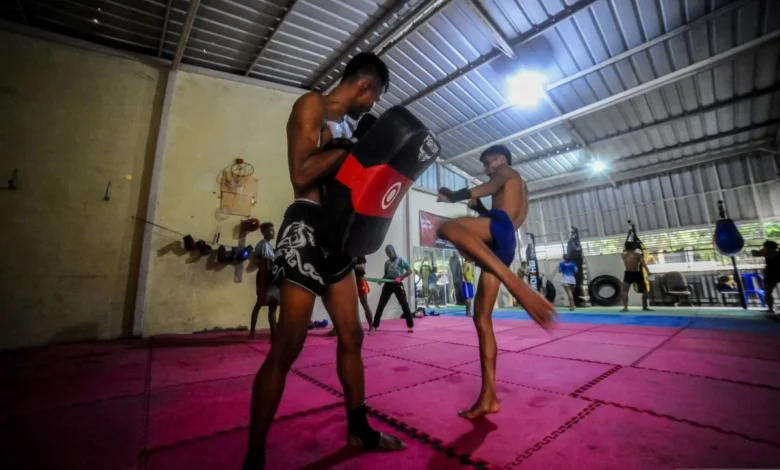
The burgeoning popularity of Muay Thai, the revered martial art hailing from Thailand, is set to reach new heights as it makes its debut as a medal sport in the upcoming 2025 Southeast Asian (SEA) Games. While often drawing parallels to Western boxing due to its ring-based combat and use of gloves, Muay Thai distinguishes itself through a unique blend of offensive and defensive techniques, a rich historical lineage, and a distinct philosophical underpinning. This article delves into the essence of Muay Thai, tracing its historical trajectory and critically examining its fundamental differences from boxing, a sport with which it is frequently, and sometimes mistakenly, associated.
Understanding Muay Thai: The Art of Eight Limbs
At its core, the term "Muay" translates to "boxing" in Thai, thus "Muay Thai" signifies "Thai boxing." However, this literal translation only scratches the surface of a discipline far more expansive than its Western counterpart. Muay Thai is widely celebrated as "The Art of Eight Limbs" because it strategically employs eight points of contact for offense and defense: two fists, two elbows, two knees, and two shins/feet. This comprehensive arsenal grants practitioners a much broader spectrum of combat possibilities compared to boxing, which primarily focuses on hand strikes.
The dynamic nature of Muay Thai is characterized by rapid, fluid exchanges that incorporate devastating knee strikes, powerful kicks, sharp elbow blows, and the strategic use of the clinch. The clinch, a grappling position where fighters hold onto each other, is not merely a transitional phase but an active combat zone in Muay Thai, allowing for strikes with knees and elbows, as well as sweeps and trips. This intricate interplay of techniques results in a fight tempo that is consistently fast-paced, dynamic, and intensely engaging for both participants and spectators.
Crucially, Muay Thai adheres to a stand-up fighting format. Unlike disciplines that involve ground fighting or extensive grappling and takedowns, Muay Thai emphasizes striking from a standing position. Techniques such as takedowns to the mat or prolonged submission holds are not permitted, preserving the art’s focus on upright combat.
Furthermore, the traditional philosophy behind Muay Thai imbues its movements with symbolic meaning. Each strike is often likened to the use of ancient weaponry: the fists are akin to swords, the knees and elbows to daggers or maces, and the feet and shins to axes or spears. This historical connection to warfare and self-defense against armed adversaries is deeply ingrained in the art’s practice and philosophy.
A Glimpse into the Rich History of Muay Thai
The origins of Muay Thai are deeply rooted in the history of Thailand, with its development believed to have begun as early as the 13th century. It emerged as a vital close-combat system for Siamese soldiers who, in the absence of firearms or when disarmed, relied on their martial prowess for survival on the battlefield. The techniques were honed for maximum efficacy, emphasizing disabling strikes and strategic defense. While some of the more brutal, potentially life-threatening techniques of ancient Muay Thai, such as targeting joints or the back of the head, have been removed from modern competitive rulesets to ensure fighter safety, the core principles of effectiveness and resilience remain.
Over centuries, Muay Thai transitioned from a purely military discipline to a sport and cultural practice embraced by all strata of Thai society, including the royal family. Historical accounts suggest that even the first king of the Sukhothai Kingdom, King Phokhun Sri In Tharatit, mandated that his son learn Muay Thai as part of his physical and character development. This early endorsement highlights the perceived value of the martial art in cultivating discipline, strength, and strategic thinking.
The formalization of Muay Thai into a modern sport began to take shape in the 1930s. During this period, influences from international boxing, such as the adoption of standardized gloves and the structured round system, were integrated into the sport. This modernization paved the way for Muay Thai to gain broader international recognition. The establishment of the International Federation of Muaythai Associations (IFMA) in 1993 marked a significant milestone, providing a unified governing body that has since facilitated the organization of global championships and further professionalized the sport.
The legend of Nai Khanom Tom, a 16th-century warrior, is a cornerstone of Muay Thai lore. Captured by Burmese forces during a conflict, Nai Khanom Tom is said to have demonstrated extraordinary fighting prowess by defeating multiple Burmese champions in a series of matches. His legendary victories not only boosted the morale of the Siamese people but also solidified Muay Thai’s reputation as a formidable martial art, earning it deep respect and admiration.
Today, Muay Thai is a vibrant part of Thailand’s popular culture. Matches are regularly held in iconic stadiums, drawing both local enthusiasts and international tourists, contributing significantly to the country’s tourism industry. Its accessibility, with training programs catering to a wide range of ages and skill levels, has further contributed to its global appeal, making it a popular choice for fitness, self-defense, and competitive aspirations worldwide.
Muay Thai vs. Boxing: A Comparative Analysis
Despite superficial similarities, Muay Thai and boxing diverge significantly in their technical approaches, combat strategies, and even the very equipment used. Understanding these differences is key to appreciating the unique characteristics of each sport.
1. The Arsenal of Strikes: Eight Limbs vs. Two Fists
The most fundamental distinction lies in the number of "weapons" employed. Muay Thai’s "Art of Eight Limbs" allows for a diverse array of attacks: punches, kicks, elbows, knees, and clinch-based strikes. Even within the clinch, where fighters grapple, offensive actions with knees and elbows are permitted until the referee intervenes. This dynamic engagement within the clinch is a hallmark of Muay Thai.
Boxing, conversely, is strictly limited to punches delivered with the fists. When boxers become entangled and their bodies lock, the referee typically separates them quickly to resume the striking action. This fundamental difference in permitted strikes dictates vastly different combat strategies and required skill sets.
2. Precision in Punching: Specialized vs. Integrated
Boxing training is intensely focused on refining the mechanics of punching. Boxers dedicate extensive effort to developing precise footwork, hip rotation, and the power and accuracy of their hand strikes. This specialization leads to a high level of technical proficiency in the art of boxing.
While Muay Thai practitioners also utilize punches, their training emphasizes the seamless integration of hand strikes with other offensive tools. A Muay Thai fighter must be adept at transitioning rapidly from a punch to a kick, elbow, or knee strike, and vice-versa. This requires a broader range of skills and a different approach to striking mechanics compared to the specialized focus of boxing.
3. Stance and Footwork: Agility vs. Stability
The characteristic stance of a boxer is often a slightly sideways posture, with weight balanced on the balls of the feet. This allows for rapid pivoting, sidestepping, and evasive maneuvers, enabling them to effectively dodge incoming punches and maintain offensive pressure.
Muay Thai fighters, on the other hand, tend to adopt a more forward-facing stance. This position provides a more stable base, which is crucial for delivering powerful kicks and defending against leg attacks. While mobility is still important, the footwork in Muay Thai is generally less about rapid evasion and more about maintaining balance and power generation for a wider range of strikes.
4. Rhythm and Flow of Combat
The rhythm of a boxing match is often characterized by a continuous, flowing exchange of punches, interspersed with defensive movements like slips and blocks. The pace is generally consistent, with fighters looking to establish a rhythm and wear down their opponent.
Muay Thai combat, however, exhibits a more varied rhythm. Fights can be punctuated by explosive combinations of punches, kicks, knee strikes, and clinch work. The pace can shift dramatically as fighters switch between offensive barrages and defensive postures, creating a dynamic and often unpredictable flow to the engagement.
5. Head Movement and Defensive Considerations
The freedom of head movement in boxing is relatively high, as fighters are primarily concerned with evading punches. This allows for a wide range of head slips, ducks, and weaves to counter offensive strikes.
In Muay Thai, head movement is more constrained. Fighters must remain acutely aware of the potential for elbow strikes and high kicks. Excessive low or sideways head movement can leave them vulnerable to these powerful attacks. Therefore, defensive strategies in Muay Thai often involve more active blocking with arms and shins, as well as maintaining a strong, upright guard.
6. Attire and Traditional Elements
A notable visual difference lies in the attire. Boxers typically wear specialized boxing shoes designed for grip and agility within the ring. Muay Thai fighters, in contrast, compete barefoot. Additionally, traditional Muay Thai attire often includes symbolic elements such as the "Mongkol" (a headband worn during the pre-fight ritual, the "Wai Kru Ram Muay") and the "Pra Jiad" (armbands worn on the biceps), which hold cultural and spiritual significance. These traditional elements underscore the deep cultural heritage that remains integral to the practice of Muay Thai.
Implications of Muay Thai’s SEA Games Inclusion
The inclusion of Muay Thai as a medal sport in the 2025 SEA Games is a significant development that promises to elevate the sport’s profile across Southeast Asia and beyond. This platform will undoubtedly expose a new generation of athletes and fans to the intricacies and excitement of Muay Thai.
Supporting Data: While specific medal counts for Muay Thai in the 2025 SEA Games are yet to be finalized, historical participation in similar multi-sport events indicates strong performances from traditional powerhouses like Thailand, Vietnam, and the Philippines. The sport’s growing global presence, evidenced by the increasing number of international federations and professional organizations, suggests a competitive landscape that is broadening year by year. The economic impact of such events can also be substantial, boosting local tourism and providing economic opportunities for athletes and associated industries.
Background Context: The SEA Games, held biennially, is a premier sporting event for athletes from Southeast Asian nations. Its aim is to foster regional cooperation and promote sports development. The decision to include Muay Thai reflects the sport’s widespread popularity and cultural significance within the region, recognizing its value as a legitimate and exciting athletic discipline. Previous inclusions of martial arts in the SEA Games have consistently drawn large audiences and highlighted the diverse sporting heritage of participating countries.
Timeline/Chronology:
- 13th Century: Origins of Muay Thai as a military combat system in Thailand.
- 16th Century: Legendary exploits of Nai Khanom Tom further popularize the art.
- 1930s: Modernization of Muay Thai with influences from international boxing.
- 1993: Establishment of the International Federation of Muaythai Associations (IFMA).
- 2025: Muay Thai officially debuts as a medal sport at the SEA Games.
Analysis of Implications: The inclusion in the SEA Games will likely lead to increased investment in Muay Thai development programs across participating nations. This could translate to more robust training facilities, better coaching, and greater opportunities for athletes to pursue professional careers. Furthermore, it provides a vital platform for cultural exchange, allowing athletes and audiences to connect with the rich traditions of Muay Thai. For nations where Muay Thai is not a traditional sport, the exposure can spark interest and encourage the development of new training communities. The global visibility offered by the SEA Games is expected to further drive the sport’s international growth, potentially leading to greater recognition and inclusion in other major sporting events.
In conclusion, Muay Thai, with its deep historical roots, sophisticated techniques, and captivating dynamism, stands poised to capture the attention of a global audience as it embarks on its SEA Games journey. Its distinctiveness from boxing, while often overlooked, is precisely what makes it a unique and compelling martial art, deserving of its place on the international sporting stage.
Related posts: