
Tag Non Traditional Weddings
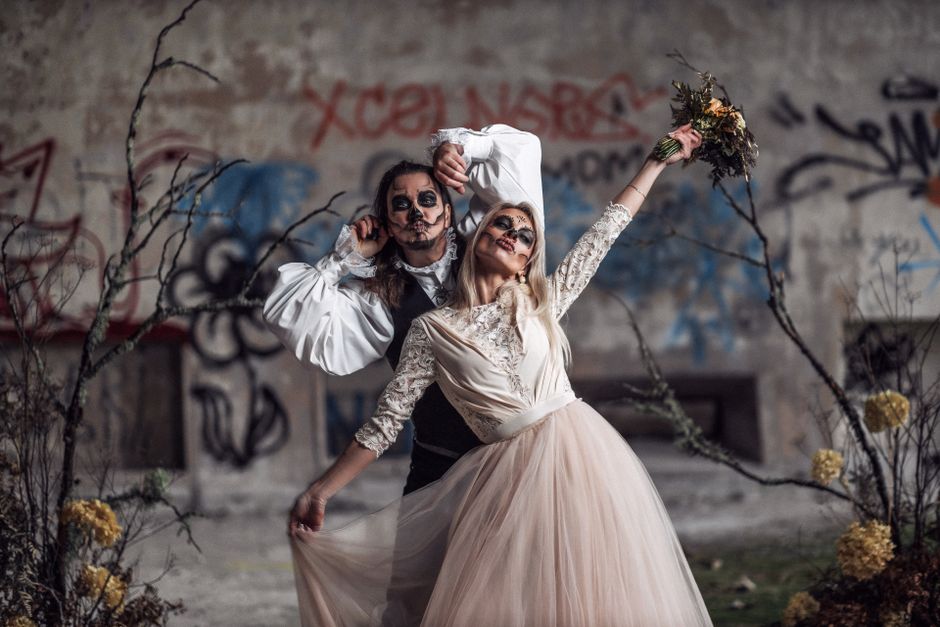
The Rise of Non-Traditional Weddings: Embracing Unconventional Celebrations
The landscape of matrimonial ceremonies is undergoing a profound transformation, with an increasing number of couples opting for non-traditional weddings that deviate from age-old customs. This shift reflects a growing desire for authenticity, personalization, and a celebration that genuinely mirrors the couple’s unique story and values. Gone are the days when a singular wedding template dictated the entire experience. Today, couples are empowered to craft ceremonies that resonate deeply with them, incorporating elements that speak to their shared passions, cultural backgrounds, and individual personalities. This evolution is not merely a trend; it’s a fundamental redefinition of what a wedding can and should be. The driving forces behind this movement are multifaceted, encompassing a desire to break free from societal expectations, a renewed emphasis on experiences over material possessions, and the accessibility of diverse venues and vendors that cater to a wider range of preferences. Understanding the motivations and the diverse manifestations of these unconventional celebrations is key to appreciating their growing significance in the modern wedding industry.
One of the primary catalysts for the surge in non-traditional weddings is the desire for greater authenticity. Many couples feel that conventional wedding formats, with their prescriptive guest lists, ceremonial structures, and decor choices, can feel impersonal and disconnected from their lived experiences. They yearn to create a celebration that feels like a genuine reflection of their relationship, rather than a performance of a standardized script. This translates into a willingness to eschew certain long-standing traditions. For instance, the traditional bridal party hierarchy is often dismantled or reimagined. Instead of a rigid line-up of bridesmaids and groomsmen, couples might opt for mixed-gender attendants, a smaller and more intimate group of close friends, or even no attendants at all. Similarly, thebouquet toss, a ritual that can feel exclusionary or even slightly awkward for some, is frequently replaced with alternative activities. This might involve a unity ceremony that symbolizes the joining of families, a symbolic gesture with a meaningful object, or a personalized toast from a cherished family member. The exchange of vows is another area ripe for personalization. Couples are moving beyond standard platitudes to craft vows that are deeply personal, often incorporating inside jokes, shared memories, or heartfelt promises that speak to the unique dynamics of their partnership. This commitment to authenticity extends to every aspect of the celebration, from the music played to the food served and the overall aesthetic.
The concept of a "destination wedding" has also evolved significantly, moving beyond the stereotypical tropical beach setting. While romantic locales still hold appeal, non-traditional destination weddings now encompass a vast array of unique settings. This could mean eloping in a breathtaking national park, exchanging vows atop a scenic mountain peak, celebrating in a charming European city steeped in history, or even a quirky adventure in a location that holds special meaning for the couple, such as the site of their first date or a place they’ve always dreamed of visiting. The appeal of destination weddings lies not only in the stunning backdrops but also in the opportunity to create an immersive experience for both the couple and their closest guests. These often smaller, more intimate gatherings allow for extended time together, fostering deeper connections and creating shared memories that extend beyond the wedding day itself. Planning a non-traditional destination wedding requires meticulous attention to logistics, including travel arrangements, accommodation, local vendors, and understanding any legal requirements of the chosen location. However, for couples seeking an extraordinary and unforgettable experience, the effort is often well worth it, offering a unique blend of adventure and romance.
The rise of themed weddings is another significant aspect of the non-traditional movement. Couples are leveraging their shared interests, hobbies, and pop culture obsessions to infuse their celebrations with a distinct personality. This could range from a subtle nod to a favorite movie or book, such as a literary-themed wedding with book page decorations and literary quotes incorporated into the ceremony, to a fully immersive experience. A vintage-inspired wedding, for example, might feature attire from a specific era, classic cars, and a playlist of music from that period. A travel-themed wedding could incorporate elements from different cultures, with guests receiving personalized luggage tags and the reception featuring international cuisine. For couples who are passionate about gaming, a video game-themed wedding might include custom pixelated invitations, character-inspired attire, and even wedding favors related to their favorite games. The key to a successful themed wedding is thoughtful execution; the theme should enhance the celebration without overwhelming it, ensuring that the focus remains on the couple’s love and commitment. This often involves a delicate balance between playful elements and the inherent solemnity of the occasion.
The venue choice is a critical element in defining a non-traditional wedding. Beyond ballrooms and banquet halls, couples are exploring a diverse range of unique locations that reflect their personalities and aesthetic preferences. This includes industrial warehouses, transformed into chic and modern event spaces with exposed brick and artistic installations. Art galleries and museums offer a sophisticated and culturally rich backdrop, allowing for a wedding surrounded by inspiring works of art. Breweries and vineyards provide a relaxed and convivial atmosphere, often with beautiful outdoor spaces and the inherent appeal of craft beverages. Even unconventional spaces like libraries, botanical gardens, or even private estates with unique architectural features are becoming popular choices. The "backyard wedding" has also experienced a resurgence, offering an intimate and personal setting, often with a DIY ethos and the freedom to completely customize the environment. The choice of venue often dictates the overall vibe and logistical considerations of the wedding, from catering options to decor and entertainment. Couples are encouraged to think outside the box and consider spaces that truly speak to their hearts and their vision for their special day.
The traditional wedding attire is also being reimagined. While many still opt for classic silhouettes, there’s a growing trend towards incorporating personal style and breaking from convention. This can manifest in various ways. Brides might choose colored wedding dresses in hues other than white or ivory, opting for blush, champagne, or even bold jewel tones. They might also opt for less formal attire, such as a chic jumpsuit, a stylish two-piece ensemble, or a vintage gown that reflects their personal aesthetic. Similarly, grooms are increasingly experimenting with their attire. This could involve wearing a colored suit instead of a traditional black or navy, incorporating unique accessories like patterned ties or pocket squares, or even opting for a more relaxed and casual look that aligns with the wedding’s overall theme. The emphasis is on comfort, personal expression, and attire that makes the couple feel confident and authentically themselves on their wedding day. This movement away from rigid sartorial expectations allows for a more inclusive and celebratory approach to wedding fashion.
The guest experience is a paramount consideration for couples planning non-traditional weddings. They are actively seeking ways to make their celebration engaging, memorable, and reflective of their personalities. This goes beyond simply providing food and entertainment. It involves creating an atmosphere where guests feel welcomed, entertained, and a genuine part of the celebration. Interactive elements are becoming increasingly popular. This can include photo booths with fun props, live caricaturists, DIY craft stations, or even lawn games at outdoor venues. Personalized touches are also key. This might involve custom-made wedding favors that reflect the couple’s interests, handwritten notes to each guest, or a wedding website that provides detailed information about the couple’s story, the wedding itinerary, and local recommendations for those traveling from afar. The goal is to create an experience that is not just observed but actively participated in, fostering connections and creating lasting memories for everyone involved.
The role of technology in non-traditional weddings is also expanding. Beyond online invitations and wedding websites, couples are leveraging technology to enhance their guest experience and document their special day. Live streaming services allow friends and family who cannot attend in person to participate remotely, fostering a sense of inclusion. Hashtags created specifically for the wedding encourage guests to share their photos and videos on social media, creating a collaborative digital album. Drones are being used to capture breathtaking aerial footage of the venue and the ceremony, offering a unique perspective. Even virtual reality is starting to emerge, with some couples exploring VR experiences to give remote guests a more immersive glimpse into their celebration. As technology continues to evolve, its integration into wedding planning and execution is likely to become even more innovative, offering new and exciting ways to personalize and share these momentous occasions.
The financial considerations of non-traditional weddings are also an important aspect. While some might assume that eschewing tradition automatically equates to saving money, this is not always the case. The cost of a wedding is highly dependent on the choices made, regardless of whether they are traditional or not. A lavish destination wedding with a large guest list can be significantly more expensive than a more intimate ceremony at a local venue. Conversely, a meticulously planned and creatively executed backyard wedding with a gourmet caterer and live band can also incur substantial costs. The key is budget allocation and prioritization. Couples planning non-traditional weddings often reallocate funds from traditionally expensive elements, such as elaborate floral arrangements or large wedding parties, towards experiences that are more meaningful to them, such as unique entertainment, gourmet food, or extended travel for a destination wedding. Open and honest communication about finances between partners is crucial, as is meticulous budgeting to ensure that the wedding remains within financial reach.
The impact of non-traditional weddings on the wedding industry is undeniable. It has pushed vendors and planners to be more innovative, flexible, and attuned to the diverse needs and desires of modern couples. This has led to the emergence of specialized services, such as elopement planners, unique venue scouts, and vendors who cater to niche themes and aesthetics. The traditional wedding industry, once dominated by a somewhat monolithic approach, is now more diverse and responsive. This is a positive development, offering couples a wider array of choices and the opportunity to work with professionals who truly understand and can execute their unconventional visions. The demand for unique and personalized experiences has also fueled a boom in artisanal and independent wedding vendors, from custom calligraphers to bespoke caterers, further enriching the wedding landscape. This evolution benefits not only the couples but also the creative professionals who are able to thrive by offering specialized and highly personalized services.
