Queen Máxima Concludes Pivotal Indonesia Visit as UN Special Advocate, Championing Financial Inclusion and Health for Sustainable Development

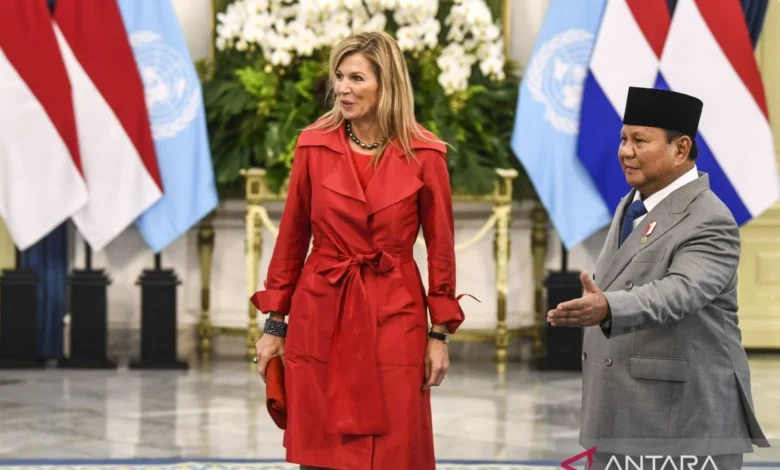
Jakarta, Indonesia – Her Majesty Queen Máxima of the Netherlands recently concluded a significant working visit to Indonesia, spanning from Monday, November 24, to Thursday, November 27, 2025. Her presence in the archipelago nation was not in her capacity as the reigning monarch of the Netherlands, but rather as the United Nations Secretary-General’s Special Advocate (UNSGSA) for Inclusive Finance for Development, a role she has passionately embraced for over a decade. This critical mission underscored the global imperative of fostering financial health and resilience, particularly within developing economies, aligning directly with the United Nations Sustainable Development Goals (SDGs) to eradicate poverty, reduce inequalities, and promote economic growth. The four-day itinerary was meticulously designed to delve into various facets of financial inclusion, from empowering micro-entrepreneurs and industrial workers to facilitating access to affordable housing and promoting digital financial literacy, ultimately aiming to fortify the financial well-being of Indonesian communities.
The Mandate of the UNSGSA: A Global Perspective on Financial Inclusion
Queen Máxima’s role as UNSGSA, appointed in 2009 by then-UN Secretary-General Ban Ki-moon, positions her at the forefront of global efforts to advance financial inclusion. The core objective of this advocacy is to ensure that individuals and small businesses, particularly those in low-income brackets and remote areas, have access to useful and affordable financial products and services. These services include credit, savings, insurance, and payments, delivered responsibly and sustainably. The absence of such access often traps individuals in cycles of poverty, hindering their ability to invest in education, healthcare, or entrepreneurship, and leaving them vulnerable to economic shocks.
Since its inception, the UNSGSA initiative has played a crucial role in raising awareness, fostering international cooperation, and driving policy changes that promote inclusive financial systems worldwide. Queen Máxima works closely with governments, central banks, regulators, financial service providers, and development organizations to accelerate progress. Her advocacy focuses on leveraging innovative technologies, promoting financial literacy, and addressing systemic barriers to access, with a strong emphasis on empowering women and vulnerable populations. This visit marked her fifth journey to Indonesia in her capacity as UNSGSA, following previous engagements in 2012, 2016, and 2018, demonstrating a consistent commitment to Indonesia’s progress in this vital area. Her last visit to Indonesia in a state capacity was in 2020, accompanying King Willem-Alexander during a state visit.
Indonesia’s Landscape: A Fertile Ground for Financial Inclusion
Indonesia, as the world’s fourth most populous nation and a sprawling archipelago, presents both immense opportunities and unique challenges for financial inclusion. While significant strides have been made, particularly with the proliferation of digital financial services, a substantial portion of the population remains unbanked or underserved. According to the Financial Services Authority (OJK), Indonesia’s financial inclusion index reached 85.10 percent in 2022, a notable increase from previous years. However, this still means millions lack adequate access to formal financial services, especially in rural and remote regions. Challenges include geographical dispersion, limited financial literacy, high transaction costs, and a preference for cash-based transactions.
The Indonesian government has actively pursued policies to enhance financial inclusion, notably through its National Strategy for Financial Inclusion (SNKI). This strategy aims to expand access to financial services for all segments of society, support micro, small, and medium enterprises (MSMEs), and promote financial literacy. Digitalization, mobile banking, and fintech innovations are seen as key enablers in bridging the financial access gap. Queen Máxima’s visit provided a high-level platform to review progress, identify remaining obstacles, and explore new pathways for collaboration, reinforcing Indonesia’s national efforts with global best practices and advocacy.
A Detailed Itinerary: Engaging Communities and Policy Makers
The three-day working visit was meticulously structured to offer a comprehensive view of Indonesia’s financial inclusion ecosystem, featuring engagements with diverse stakeholders from grassroots communities to high-level government officials.
Tuesday, November 25: Focus on Community Empowerment and Micro-Entrepreneurship
The first day of the visit saw Queen Máxima immerse herself in the heart of Indonesian communities, beginning in Central Java. Her initial stop was a garment factory in Sragen Regency. This visit highlighted the critical importance of financial health for industrial workers, many of whom are women and primary household earners. Discussions likely revolved around the provision of accessible savings accounts, responsible micro-credit options for unforeseen expenses, and basic insurance products to protect against income loss or health crises. Enhancing financial literacy among factory workers is crucial for prudent money management, debt avoidance, and long-term financial stability, contributing to greater economic resilience for individual households and the broader workforce.
Following Sragen, Queen Máxima traveled to Solo (Surakarta) to visit Kampung Batik Laweyan, a historic batik village renowned for its traditional craftsmanship and entrepreneurial spirit. Here, the focus shifted to the financial health of micro, small, and medium enterprises (MSMEs). Batik artisans, often operating on tight margins, face significant challenges in accessing formal credit, managing cash flow, and expanding their businesses. The visit provided an opportunity to discuss how inclusive financial products, such as tailored micro-loans, digital payment solutions, and business insurance, can empower these entrepreneurs to grow, innovate, and contribute more robustly to the local economy. The Queen engaged with artisans, learning about their experiences and the specific financial tools that could best support their livelihoods and preserve cultural heritage.
The day culminated with her attendance at a Women’s World Banking event held at the majestic Pura Mangkunegaran in Solo. This high-profile gathering brought together young people, university students, and entrepreneurs to share their experiences with financial products and services. Women’s economic empowerment through financial inclusion was a central theme. Discussions underscored how access to finance, coupled with financial education, can unlock women’s entrepreneurial potential, enhance their decision-making power within households, and drive broader societal development. Participants likely shared stories of how mobile banking, digital wallets, or micro-finance loans had transformed their ability to save, invest, and manage their finances, emphasizing the need for financial products designed with women’s specific needs in mind. Queen Máxima, known for her strong advocacy for women’s financial inclusion, actively listened and contributed to the dialogue, reinforcing the importance of inclusive design and outreach.
Wednesday, November 26: Bridging Development, Finance, and Sustainable Living
Day two commenced with a crucial roundtable discussion at the local United Nations office in Jakarta, bringing together various development organizations. This session provided a platform for reviewing collaborative efforts, identifying gaps, and strategizing future initiatives to further financial inclusion across Indonesia. UN agencies such as the UNDP, UNICEF, and UN Women often implement programs at the grassroots level, and their insights are invaluable for shaping effective national strategies. The discussion likely centered on leveraging collective resources, improving data collection, and ensuring that financial inclusion efforts are integrated into broader development agendas, including health, education, and climate action.
Later, Queen Máxima visited the International Finance Corporation (IFC), a member of the World Bank Group, in Jakarta. The IFC plays a pivotal role in promoting private sector development in emerging markets by providing investment, advisory services, and asset management. The discussions focused on developing loans and financial instruments that contribute to economic growth and financial health. This included exploring innovative financing mechanisms for MSMEs, infrastructure projects, and green investments that generate sustainable economic benefits while also expanding financial access. The IFC’s expertise in structuring commercially viable projects that also have strong development impacts aligns perfectly with the UNSGSA’s mandate to foster responsible and inclusive financial systems.
A highlight of the day was the visit to the Gran Harmoni Cibitung subsidized housing complex in Bekasi Regency, West Java. This innovative complex provides low-emission homes for low- and middle-income communities, addressing the critical need for affordable and sustainable housing. Queen Máxima visited a resident’s home, engaging in personal interaction and understanding the direct impact of such initiatives. She also met with representatives of first-time homebuyers, hearing firsthand about their journeys to homeownership.
The Gran Harmoni project showcased a groundbreaking approach to housing finance: a "waste bank" system where residents can pay their housing installments by collecting and depositing recyclable waste. This ingenious model, pioneered by institutions like Bank Tabungan Negara (BTN), not only makes housing more accessible by reducing financial burdens but also promotes environmental sustainability and community engagement. Queen Máxima observed the process of waste collection and deposit, as well as the signing of purchase agreements for dozens of prospective homeowners, expressing her appreciation for such innovative solutions that simultaneously address financial, social, and environmental challenges. This model serves as a powerful example of how creative financial solutions can empower communities and promote sustainable living.
The day concluded with a visit to Deloitte Indonesia, where Queen Máxima engaged with employers about their potential contributions to the financial health of their employees and clients. This interaction highlighted the crucial role of the private sector in fostering a financially resilient workforce. Discussions likely covered topics such as corporate financial wellness programs, responsible lending practices, employee benefits that include financial planning services, and the ethical integration of financial services into business operations. Promoting employee financial health can lead to increased productivity, reduced stress, and greater overall well-being, benefiting both individuals and companies.
Thursday, November 27: High-Level Dialogue and Policy Alignment
The final day of the visit was dedicated to high-level policy discussions and engagements with key regulatory bodies. Queen Máxima participated in a crucial financial literacy agenda alongside representatives from the Financial Services Authority (OJK), Bank Indonesia (BI), and the Ministry of Finance (Kemenkeu) of the Republic of Indonesia. These institutions are the pillars of Indonesia’s financial sector, responsible for regulation, monetary policy, and fiscal management, respectively. The discussions likely covered national strategies for improving financial literacy, consumer protection in digital finance, the role of fintech in expanding access, and the challenges of ensuring financial stability while promoting innovation. This collaborative forum served to align national policy objectives with global best practices advocated by the UNSGSA.
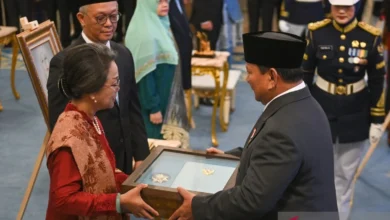
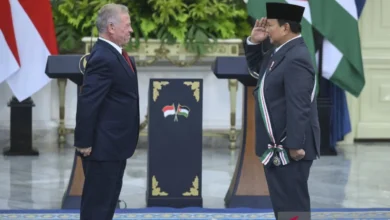
The culmination of Queen Máxima’s visit was a meeting with the President of the Republic of Indonesia, Prabowo Subianto, at the Merdeka Palace in Jakarta. This high-level engagement included a private meeting and a luncheon. During this significant encounter, Queen Máxima conveyed her findings and impressions from her extensive engagements across Indonesia. She likely shared insights gained from her interactions with communities, entrepreneurs, and financial institutions, highlighting both the successes and the areas requiring further attention. President Prabowo, in turn, would have reaffirmed Indonesia’s commitment to advancing financial inclusion as a cornerstone of its national development agenda. Such meetings at the highest political level are instrumental in ensuring sustained momentum for financial inclusion initiatives, securing political will, and fostering international partnerships that support Indonesia’s development goals. The discussions would have underscored the strategic importance of financial inclusion for national stability, economic growth, and poverty reduction, solidifying the collaborative spirit between the Netherlands, the United Nations, and Indonesia.
Broader Impact and Future Implications
Queen Máxima’s fifth visit to Indonesia as UNSGSA carries profound implications for the nation’s financial inclusion journey. The comprehensive itinerary, spanning from grassroots engagements to high-level policy dialogues, ensures that her advocacy is both informed by ground realities and impactful at the strategic level.
Policy Influence and Strategic Direction: The interactions with OJK, BI, and Kemenkeu are expected to reinforce existing policies and potentially inspire new initiatives aimed at deepening financial inclusion. Discussions on digital financial services, for instance, could accelerate regulatory frameworks that promote innovation while safeguarding consumer interests. The emphasis on women’s economic empowerment and sustainable finance, as seen in the waste bank initiative, could encourage more targeted programs in these critical areas. Her insights and recommendations, delivered directly to President Prabowo, provide a global perspective that can help shape Indonesia’s long-term financial inclusion strategy, aligning it more closely with the UN Sustainable Development Goals.
Public Awareness and Education: The high-profile nature of Queen Máxima’s visit invariably draws significant media attention, elevating public discourse around financial health and literacy. This increased visibility can motivate more individuals to seek out formal financial services, participate in financial education programs, and better manage their finances. For institutions, it serves as a reminder of their crucial role in providing accessible and responsible financial products.
International Cooperation and Partnerships: The visit strengthens the bonds of cooperation between Indonesia and international organizations, including the United Nations and the World Bank Group (IFC). It also reinforces bilateral ties with the Netherlands, a country that shares a long history with Indonesia and has been a strong supporter of its development efforts. Such partnerships are vital for knowledge exchange, technical assistance, and leveraging international best practices in financial inclusion.
Catalyst for Innovation: The Queen’s appreciation for innovative solutions like the waste bank payment system at Gran Harmoni Cibitung could serve as a catalyst for other financial institutions and developers to explore similar creative approaches. Such models demonstrate how financial inclusion can be intertwined with environmental sustainability and community development, offering multi-faceted benefits.
Empowering Vulnerable Segments: A consistent thread throughout her visit was the focus on empowering women, MSMEs, and low-income communities. By highlighting their needs and showcasing successful interventions, the visit contributes to making financial systems more equitable and responsive to the segments of society that stand to gain the most from financial access. This directly contributes to SDG 1 (No Poverty), SDG 5 (Gender Equality), and SDG 10 (Reduced Inequalities).
In conclusion, Queen Máxima’s recent visit to Indonesia as the UN Secretary-General’s Special Advocate for Inclusive Finance for Development was more than a series of diplomatic engagements; it was a powerful affirmation of Indonesia’s commitment to financial inclusion and a catalyst for future progress. By bridging global advocacy with local realities, the visit underscored the transformative potential of financial health in building a more resilient, equitable, and prosperous society for all Indonesians. The insights gained, the partnerships strengthened, and the innovations highlighted are poised to leave a lasting positive impact on Indonesia’s journey towards comprehensive financial well-being.