10 Horror Films Set in Mental Asylums, Full of Gripping Psychological Terror

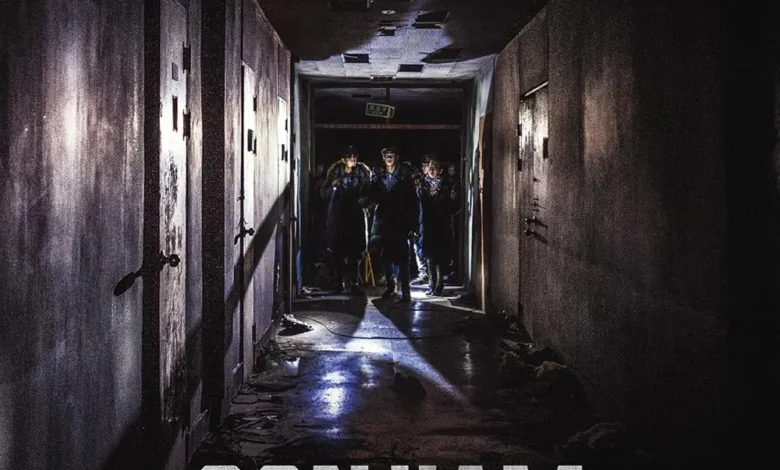
The chilling allure of mental institutions as settings for horror cinema remains undeniable, captivating audiences with their inherent atmosphere of dread, labyrinthine corridors, and the unsettling stories of their former inhabitants. These spaces, often steeped in real-world histories of controversial treatments and forgotten souls, provide a fertile ground for filmmakers to explore themes of psychological fragility, isolation, and the blurred lines between sanity and madness. From classic Hollywood thrillers to contemporary Asian horror sensations and local remakes, the subgenre of asylum horror continuously reinvents itself, offering a spectrum of fear that ranges from jump scares to deep-seated psychological terror.
The appeal lies not just in the potential for supernatural encounters but in the profound human fears associated with losing one’s mind, being trapped, and facing the unknown within oneself. These narratives often tap into collective anxieties about control, institutional power, and the darkness that can lurk within the human psyche. This article delves into a selection of ten prominent horror films set within the confines of mental asylums, exploring their unique contributions to the genre, their inspirations, and their lasting impact on audiences.
The Enduring Appeal of Asylum Horror
Mental asylums, by their very nature, evoke a sense of unease. Historically, they were places of confinement and often brutal treatment for individuals deemed "insane," their imposing architecture and isolated locations contributing to a formidable image. This historical context provides a rich tapestry for horror narratives, allowing filmmakers to weave tales that exploit fears of institutionalization, loss of autonomy, and the ethical dilemmas surrounding mental health care. The silence of their long, winding corridors, the mystery surrounding their patients, and the lingering sense of past suffering create an immediate and potent atmosphere of dread, making them ideal backdrops for both supernatural and psychological horror. Many films leverage actual abandoned institutions, adding an authentic layer of terror to their fictional narratives.
The following list, presented in reverse chronological order of release to highlight recent trends before exploring influential classics, showcases films that masterfully harness this unique setting to deliver unforgettable scares and thought-provoking narratives.
Recent Entries and Influential Remakes
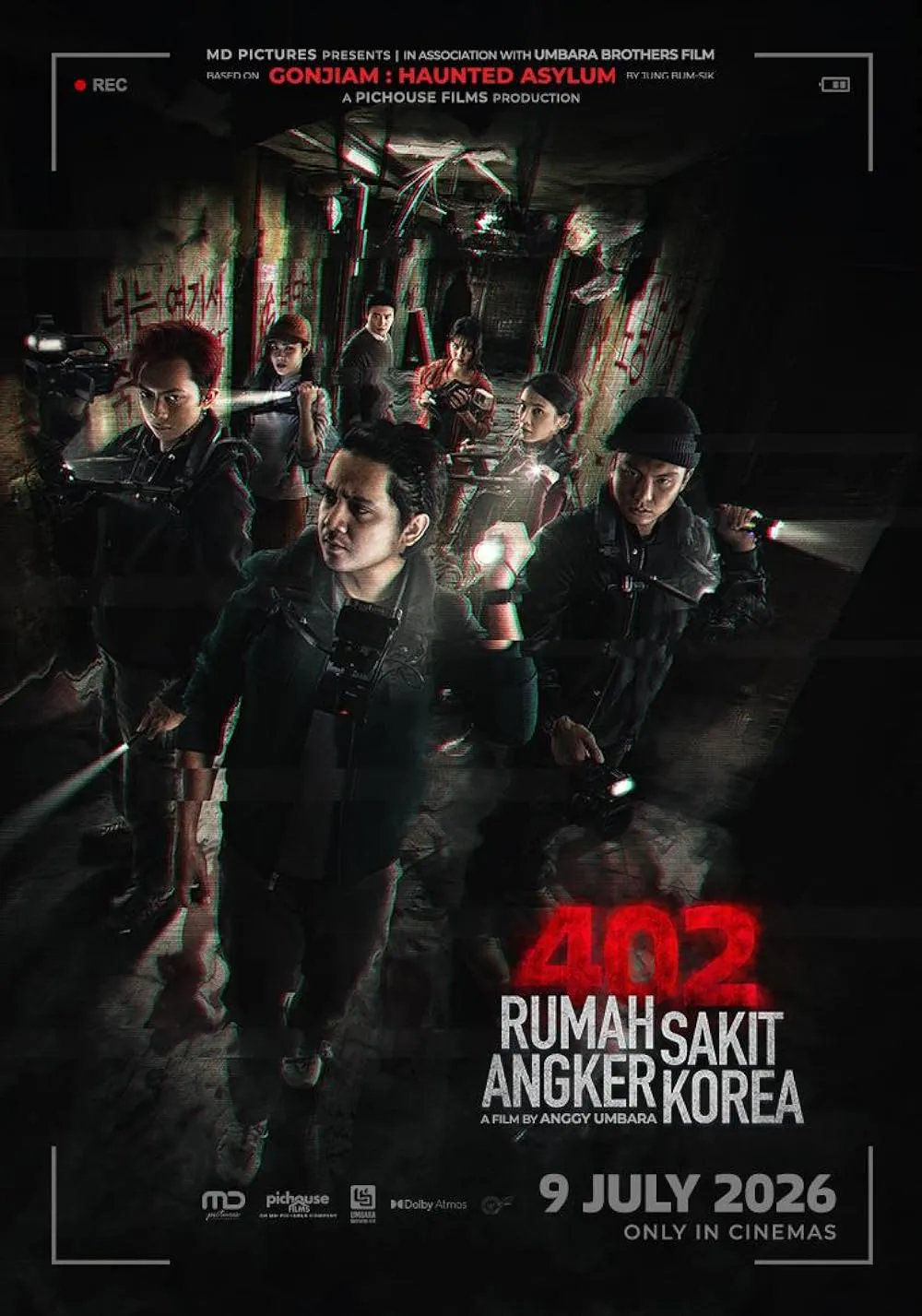
1. 402 Rumah Sakit Angker Korea (2026)
Scheduled for release in July 2026, 402 Rumah Sakit Angker Korea represents a significant addition to Indonesian horror cinema, serving as an official remake of the highly popular South Korean found footage horror film, Gonjiam: Haunted Asylum. Directed by Anggy Umbara, a filmmaker known for his diverse portfolio, this adaptation reimagines the chilling premise through the lens of Indonesian content creators. The narrative follows five ambitious Indonesian YouTubers specializing in paranormal investigations. Driven by the desire to achieve three million live viewers, they embark on a perilous livestream from the infamous Yongwon Hospital in South Korea—a purportedly abandoned mental institution shrouded in urban legends.
The core of their quest, and the film’s central mystery, revolves around Room 402, a notoriously inaccessible chamber said to have remained sealed since the hospital’s mysterious closure decades prior. As the team delves deeper into the decaying structure, the line between staged theatrics and genuine supernatural terror blurs. The film aims to resonate with contemporary audiences by integrating the prevalent trend of online paranormal content, making the escalating horrors feel disturbingly relevant. Its release marks a pivotal moment for Indonesian horror, bridging international genre success with local storytelling sensibilities, offering a fresh yet familiar take on the haunted asylum trope for a new generation of viewers. The anticipation surrounding its release underscores the enduring global appeal of stories rooted in real-world haunted locations and the burgeoning market for remakes that localize international successes.
2. Unsane (2018)
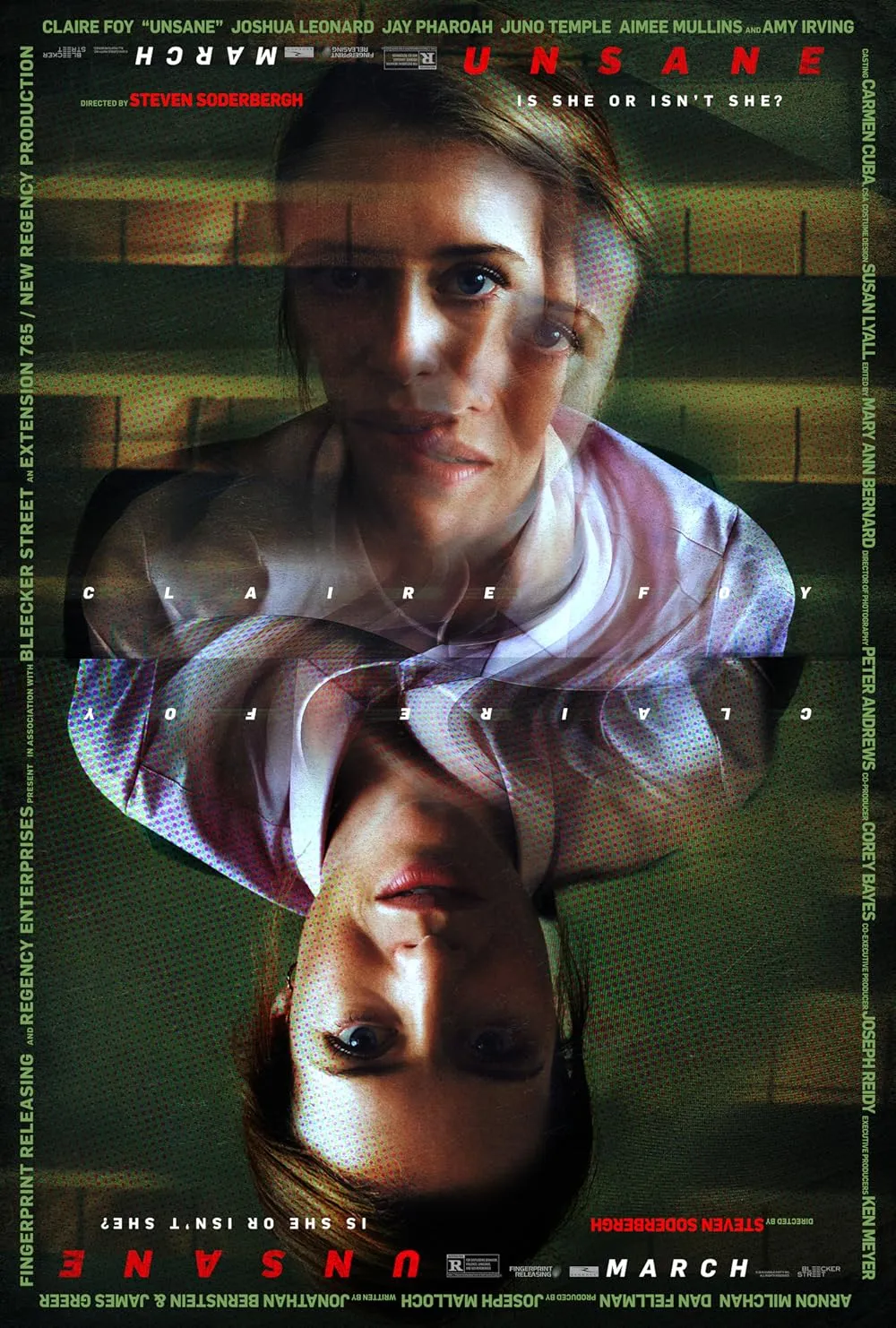
Steven Soderbergh’s Unsane, released in 2018, stands out as a unique entry in the psychological thriller genre, not only for its taut narrative but also for its groundbreaking production. Entirely shot on an iPhone, the film achieves a raw, claustrophobic, and intensely personal visual style that immerses the audience directly into the protagonist’s spiraling nightmare. Claire Foy delivers a compelling performance as Sawyer Valentini, a woman who inadvertently commits herself to a mental institution after seeking counseling for a stalking ordeal. A seemingly innocuous signature on an administrative form traps her within the system, where her desperate claims of sanity are dismissed as symptoms of her supposed delusion.
The horror in Unsane is less about supernatural entities and more about the terrifying loss of control, the weaponization of a medical system, and the profound psychological distress of being disbelieved. Sawyer’s fear intensifies as she begins to suspect that her stalker, David Strine, may be working at the very institution holding her captive. This raises the harrowing question: is she truly insane, or is she a victim of a cruel, meticulously planned trap? The film expertly navigates the ambiguities of perception, forcing viewers to question Sawyer’s reality alongside her. Critics lauded Soderbergh’s experimental approach and Foy’s powerful portrayal of a woman on the brink, making Unsane a compelling watch for those who prefer their horror rooted in realistic psychological torment rather than overt supernatural elements. Its modest budget of $1.5 million yielded a worldwide gross of over $14.2 million, demonstrating its critical and commercial viability.
3. Gonjiam: Haunted Asylum (2018)
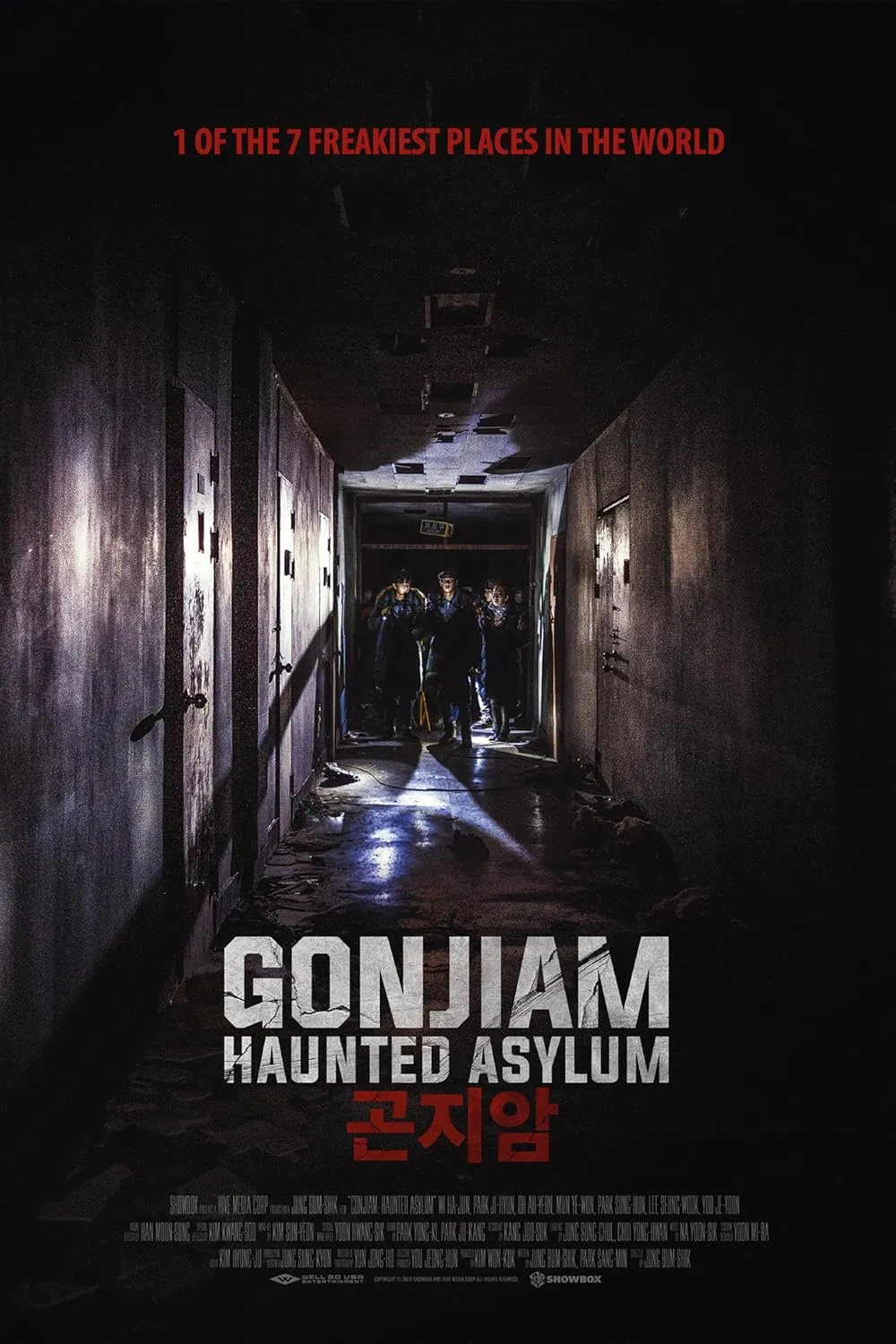
Gonjiam: Haunted Asylum, directed by Jung Bum-shik and released in 2018, quickly cemented its status as one of South Korea’s most successful and terrifying horror exports. Utilizing the found footage format, the film capitalizes on the infamous urban legend surrounding the real-life Gonjiam Psychiatric Hospital in Gyeonggi-do. Established in 1982, the hospital mysteriously closed in 1996 amid rumors of patient deaths under unexplained circumstances, earning it a spot on CNN Travel’s list of "7 Freakiest Places on Earth." The film follows a group of aspiring content creators who decide to livestream their exploration of the derelict asylum, hoping to generate viral content and attract millions of viewers.
Their objective is to document paranormal activity and, crucially, to open the legendary Room 402, a chamber rumored to have remained untouched since the hospital’s closure. The found footage style, characterized by shaky cameras and first-person perspectives, effectively creates a sense of immediacy and realism, drawing the audience into the escalating terror. As the team ventures deeper, the initial bravado gives way to genuine fear as they encounter increasingly bizarre and horrifying phenomena. Members of the group begin to vanish or experience disturbing psychological breakdowns, blurring the lines between their staged scares and actual supernatural encounters. Gonjiam was a box office hit in South Korea, grossing over $20 million worldwide on a budget of $2.2 million, becoming the third most-watched horror film in the country’s history. Its success inspired numerous remakes and solidified its place as a modern classic in the found footage subgenre, profoundly influencing subsequent horror productions, including the aforementioned Indonesian adaptation.
4. Eloise (2016)
Released in 2016, Eloise draws inspiration from the chilling history of the Eloise Mental Hospital, a real and notoriously expansive psychiatric facility that operated in Cook County, Illinois. The film intertwines supernatural horror with a quest for inheritance, centering on Jacob Martin, who must retrieve a death certificate from the abandoned asylum to claim his late aunt’s fortune. He recruits a team, including a skilled hacker and a ghost hunter, to break into the sealed institution. Their initial objective, however, quickly devolves into a desperate struggle for survival as they uncover the dark secrets and tortured spirits trapped within the hospital’s decaying walls.
As they navigate the labyrinthine corridors, the group unearths evidence of the institution’s grim past, including controversial medical practices, inhumane treatments, and the mysterious deaths of patients. Each discovery reveals another piece of a horrifying puzzle, suggesting that the asylum’s past victims are far from at rest. The film combines elements of an ancestral mystery with traditional haunted house tropes, creating a more personal dimension to the supernatural terror. While Eloise received mixed critical reviews, its use of a genuinely infamous historical location provides a compelling backdrop, tapping into the public’s fascination with real-life haunted places and the tragic stories associated with them. The film serves as a reminder of the potent combination of historical dread and supernatural elements in asylum horror.
5. The Void (2016)
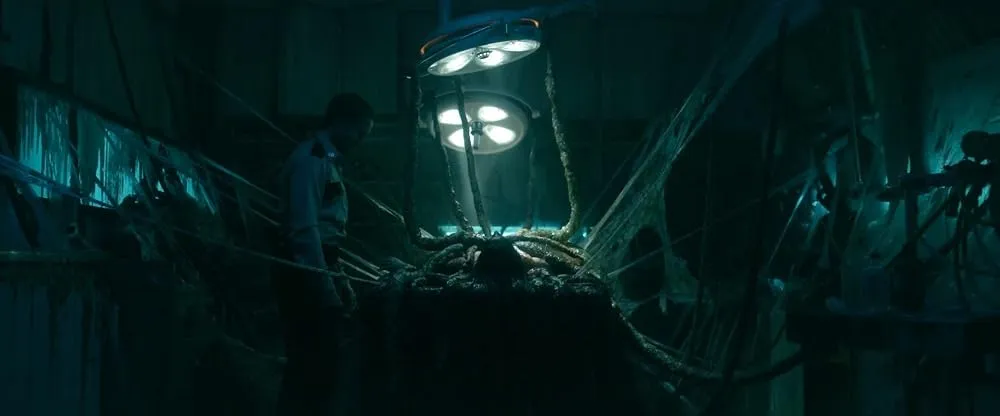
The Canadian horror film The Void, directed by Jeremy Gillespie and Steven Kostanski, premiered in 2016 and offers a visceral blend of body horror and cosmic horror, set against the backdrop of an isolated hospital. The narrative begins when Officer Daniel Carter discovers a bloodied man on a deserted road and rushes him to the nearest hospital, a small, understaffed facility on the verge of closure. What starts as a routine emergency quickly escalates into a nightmarish siege as the hospital is surrounded by mysterious, robed figures who appear to be worshipping an unknown entity.
Inside, the remaining staff and patients begin to undergo grotesque transformations, twisting into horrifying, otherworldly creatures. The hospital, once a sanctuary, becomes a battleground where survivors must confront not only the cultists outside but also the monstrous entities lurking within. The Void is celebrated for its commitment to practical effects, creating genuinely disturbing and unique creature designs that pay homage to classic 1980s horror films without relying heavily on CGI. The film’s claustrophobic setting amplifies the tension, forcing its characters and the audience into a desperate struggle against an incomprehensible, Lovecraftian evil. Critics praised its ambitious vision and its effective use of old-school horror techniques. The Void stands as a testament to independent horror’s ability to deliver impactful, genre-bending narratives, offering a fresh take on asylum horror by infusing it with terrifying cosmic dread.
Psychological Depth and Classic Narratives
6. Stonehearst Asylum (2014)
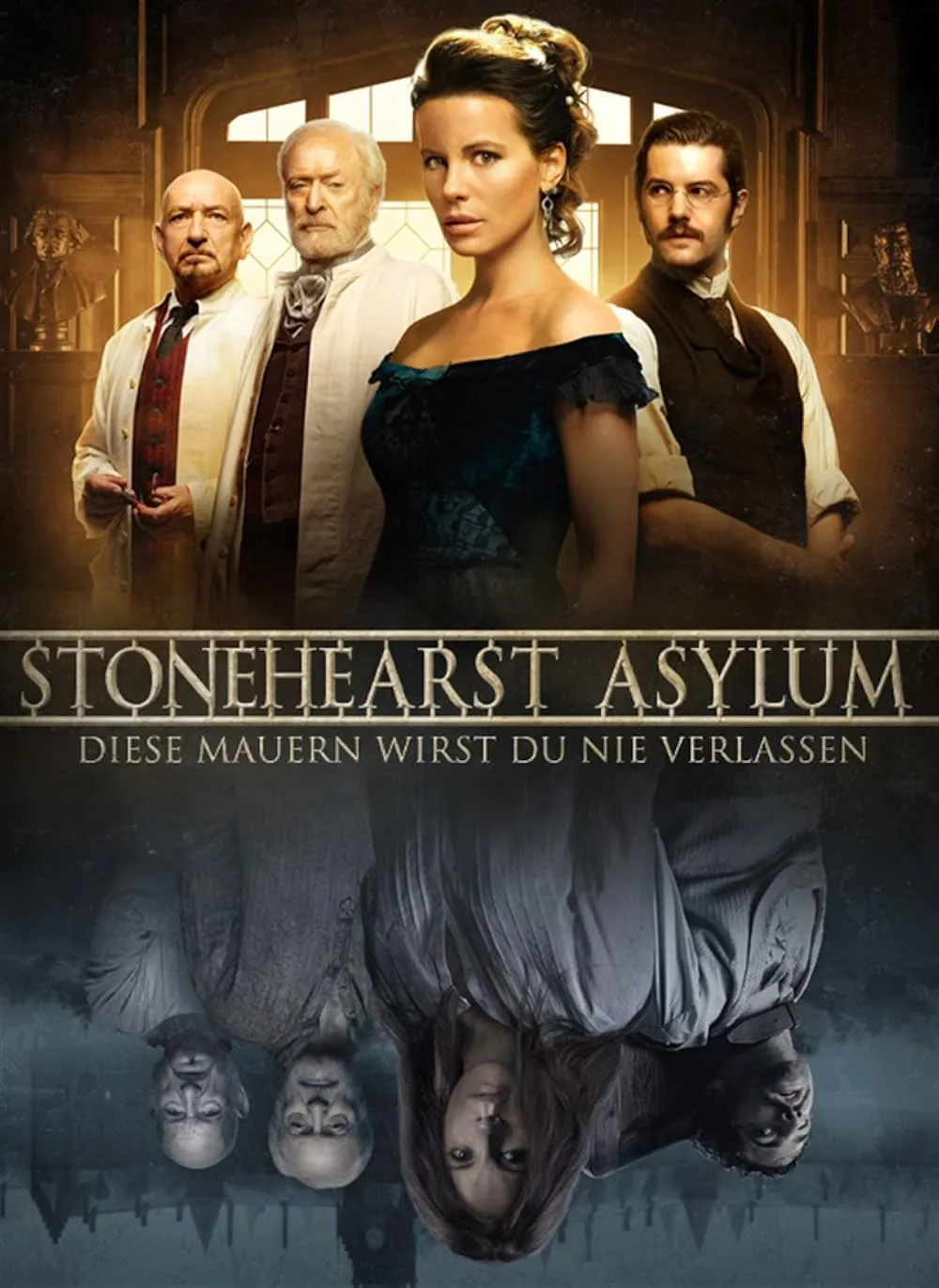
Directed by Brad Anderson, Stonehearst Asylum (originally titled Eliza Graves) is a gothic psychological thriller released in 2014, loosely based on Edgar Allan Poe’s 1845 short story "The System of Doctor Tarr and Professor Fether." The film boasts an impressive ensemble cast, including Kate Beckinsale, Jim Sturgess, Michael Caine, Ben Kingsley, and David Thewlis. Set in 1899, the story follows Edward Newgate (Sturgess), a young Oxford graduate who arrives at the remote Stonehearst Asylum in rural England to complete his medical training. From the moment of his arrival, Newgate senses a profound abnormality in the institution’s unconventional and seemingly humane methods of treating its patients.
Under the guidance of the enigmatic Superintendent Silas Lamb (Kingsley), Newgate observes treatments that are far from the standard, often brutal practices of the era, yet he also detects a deeper, unsettling secret. The film masterfully blurs the lines between sanity and madness, patient and doctor, creating an atmosphere of constant suspicion and psychological intrigue. Newgate gradually uncovers a dark conspiracy concerning the true identities of those running the asylum and the original staff. Stonehearst Asylum is celebrated for its intricate plot, atmospheric period setting, and the strong performances of its cast, particularly Kingsley and Caine, who bring gravitas to their complex roles. While it received mixed critical reviews, many praised its intelligent screenplay and its ability to maintain suspense without relying on excessive gore, making it a sophisticated entry into the asylum horror subgenre for fans of slow-burn psychological thrillers and period dramas.
7. Grave Encounters (2011)
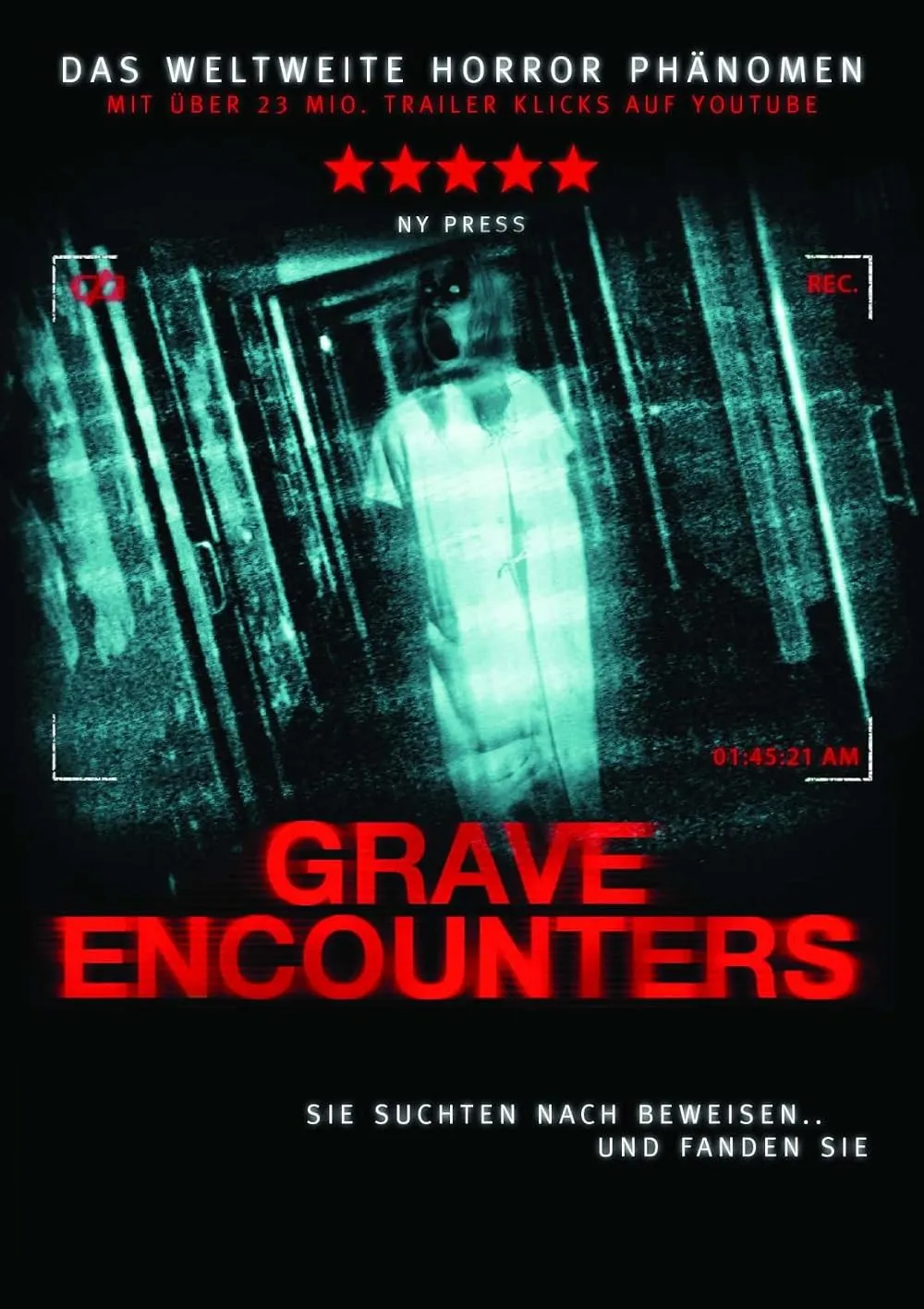
Grave Encounters, a Canadian found footage horror film released in 2011 and directed by The Vicious Brothers (Colin Minihan and Stuart Ortiz), quickly gained a cult following for its effective scares and clever premise. The film centers on the crew of a paranormal reality television show, "Grave Encounters," hosted by the charismatic Lance Preston (Sean Rogerson). Desperate to boost their show’s ratings, which are suffering from accusations of faked paranormal activity, the team decides to spend a night locked inside the Collingwood Psychiatric Hospital, a notoriously haunted abandoned asylum with a dark history of patient abuse and bizarre experiments.
Their initial enthusiasm for staging scares quickly turns into genuine terror as the hospital reveals itself to be far more sinister and supernaturally active than they could have imagined. The film masterfully uses the found footage format to immerse the audience, creating a sense of claustrophobia and disorientation. The asylum’s architecture itself becomes a character, with corridors seemingly shifting, doors appearing and disappearing, and the building transforming into an endless, inescapable labyrinth. The entities haunting Collingwood are relentless, manifesting as grotesque apparitions and engaging in increasingly violent psychological torment. Critics often highlighted Grave Encounters for its innovative approach to traditional jump scares and its ability to sustain a high level of tension throughout. It became a significant reference point in the found footage genre, inspiring a sequel and solidifying the trope of paranormal investigators getting more than they bargained for.
8. The Ward (2010)
The Ward, released in 2010, marks a notable return to the horror genre for legendary director John Carpenter, his first feature film in nine years. Starring Amber Heard as the lead, the film is set in a remote psychiatric institution in Oregon in 1966. Kristen (Heard), a young woman suffering from amnesia, is admitted to the North Bend Psychiatric Hospital after setting fire to an abandoned farmhouse. She finds herself confined to a secluded ward with four other disturbed young women, each grappling with their own psychological issues and the ominous presence that seems to haunt their unit.
As Kristen attempts to piece together her past, she discovers that one by one, the other patients in her ward are disappearing mysteriously, apparently at the hands of a vengeful female ghost named Alice. The film blends elements of supernatural horror with a psychological mystery, keeping the audience guessing about the nature of the threat and Kristen’s own fragile state of mind. Carpenter employs his signature tension-building techniques, focusing on atmosphere and suspense rather than overt gore. Amber Heard’s performance as the confused and increasingly terrified protagonist is central to the film’s effectiveness. While The Ward received a mixed reception from critics, some praised its old-school horror sensibilities and its surprising twist ending, which echoes classic psychological thrillers. It remains a fascinating entry in Carpenter’s filmography and a solid example of a haunted asylum narrative.
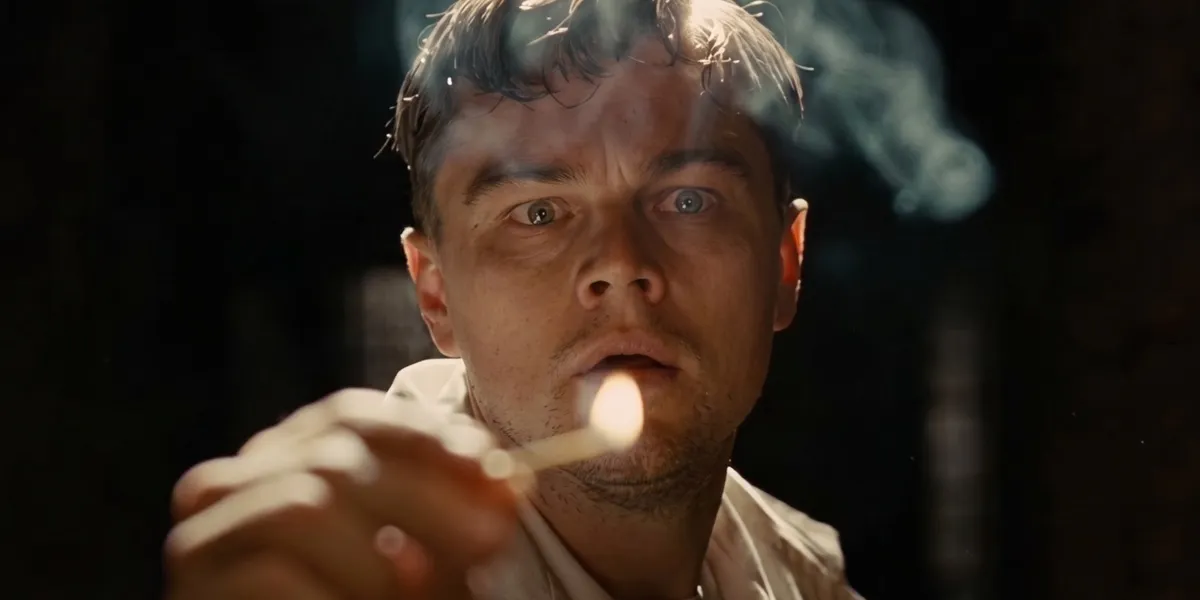
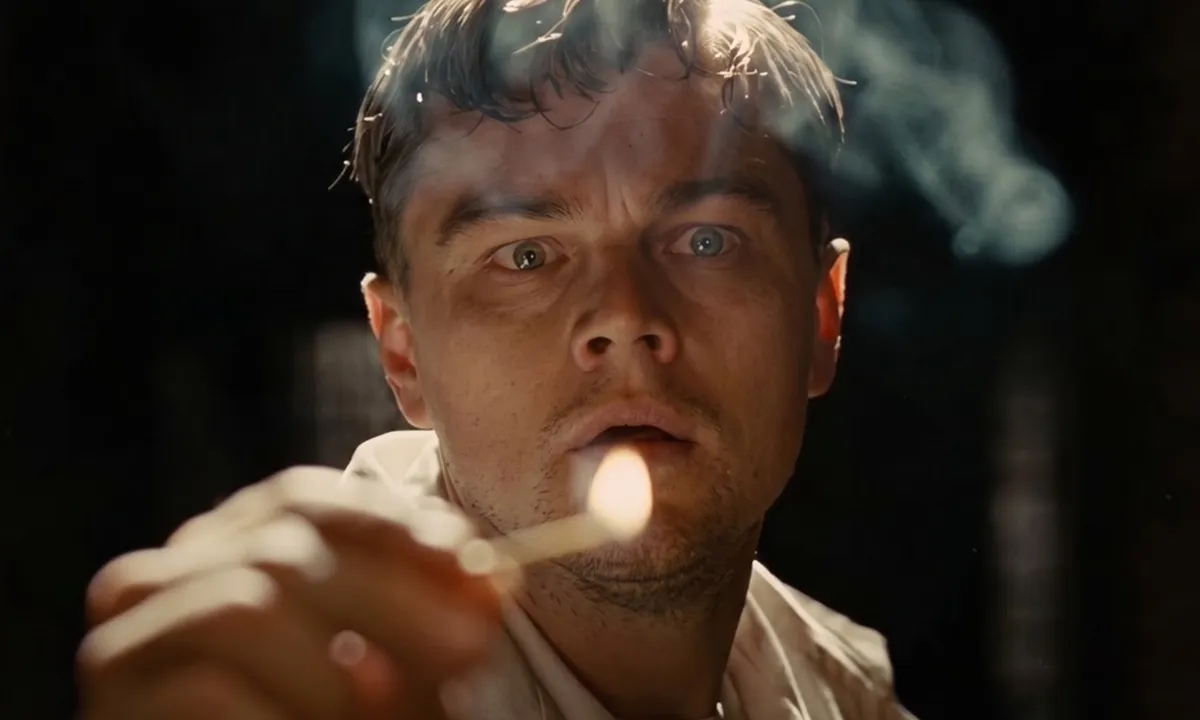
9. Shutter Island (2010)
Martin Scorsese’s Shutter Island, released in 2010, is a masterful neo-noir psychological thriller that transcends conventional horror, starring Leonardo DiCaprio in a career-defining performance. Adapted from Dennis Lehane’s 2003 novel of the same name, the film is set in 1954 and follows U.S. Marshal Edward "Teddy" Daniels (DiCaprio) and his new partner, Chuck Aule (Mark Ruffalo), as they investigate the disappearance of a patient, Rachel Solando, from Ashecliffe Hospital for the Criminally Insane on the remote Shutter Island. The island’s isolated, foreboding nature immediately establishes a sense of dread and claustrophobia.
As Teddy delves into the hospital’s dark secrets, encountering its enigmatic chief psychiatrist Dr. Cawley (Ben Kingsley) and the unsettling practices of its staff, he becomes increasingly plagued by his own traumatic past – specifically, the death of his wife in a fire and his experiences as a soldier liberating Dachau. The investigation becomes a disorienting journey through a labyrinth of paranoia, delusion, and memory, blurring the lines between reality and Teddy’s deteriorating mental state. Scorsese’s direction is brilliant, utilizing dark cinematography, a haunting musical score, and intricate symbolism to create an overwhelmingly oppressive atmosphere. The film is renowned for its shocking twist ending, which recontextualizes the entire narrative and leaves audiences questioning everything they thought they knew. Shutter Island was a critical and commercial success, grossing over $294 million worldwide on an $80 million budget. It is widely considered one of the best psychological thrillers of its decade and a benchmark for films exploring themes of trauma, madness, and institutional control within an asylum setting.
10. Session 9 (2001)
Session 9, directed by Brad Anderson and released in 2001, is a slow-burn psychological horror film that has garnered a significant cult following for its intelligent script and chilling atmosphere. The film is notable for its authentic setting: the sprawling, genuinely abandoned Danvers State Hospital in Massachusetts, a real-life psychiatric institution with a dark history. The narrative follows Gordon Fleming (Peter Mullan), the owner of an asbestos abatement company, and his small crew as they undertake the daunting task of clearing asbestos from the cavernous, decaying asylum within a tight deadline.
As the crew races against time, the oppressive atmosphere of the abandoned hospital begins to wear down their already strained psyches. Tensions rise among the men due to personal and professional pressures. Simultaneously, one of the workers, Mike (Stephen Gevedon), discovers a series of old audiotapes documenting therapy sessions with a former patient suffering from dissociative identity disorder. As the crew listens to these tapes, the disturbing details of the patient’s fractured mind and the asylum’s grim past begin to intertwine with their present realities. Session 9 is praised for its masterful use of its authentic location, which contributes significantly to the film’s unsettling realism and sense of historical dread. It builds its horror through psychological erosion and a pervasive sense of unease rather than relying on cheap jump scares. The film explores themes of mental breakdown, guilt, and the fragility of the human mind, culminating in a shocking and deeply unsettling conclusion. It is considered a seminal work in the psychological horror subgenre, influencing many subsequent films set in similar institutional environments.
The Broader Impact and Thematic Explorations
The enduring popularity of horror films set in mental asylums highlights a fascinating intersection of societal anxieties, historical truths, and cinematic innovation. These films serve not merely as sources of entertainment but also as cultural artifacts that reflect changing perceptions of mental illness, the ethics of medical practice, and the primal fear of losing control over one’s own mind. From the found footage immediacy of Gonjiam: Haunted Asylum and its Indonesian remake, which tap into contemporary digital culture, to the gothic psychological complexities of Stonehearst Asylum and the profound character studies in Shutter Island, the subgenre continually finds new ways to explore familiar fears.
Filmmakers like Steven Soderbergh (Unsane) push technical boundaries, using unconventional tools to enhance the narrative’s psychological impact, while others like John Carpenter (The Ward) revisit classic tropes with fresh eyes. The utilization of real, historically significant locations, such as the Danvers State Hospital in Session 9 or the inspiration from Eloise Mental Hospital for Eloise, adds a layer of disturbing authenticity that fictional sets struggle to replicate. These films often prompt audiences to consider the fine line between sanity and madness, the fragility of the human psyche, and the potential for abuse within institutions designed to heal.
The asylum horror genre, whether focusing on supernatural entities, psychological torment, or institutional corruption, consistently delivers gripping narratives that resonate deeply. It is a testament to the power of a setting that inherently embodies isolation, vulnerability, and the hidden horrors of the human condition, ensuring its place as a perennial favorite for horror aficionados seeking profound psychological terror.