National Nutrition Agency Head Affirms Commitment to Free Nutritious Meal Program Amidst Criticism


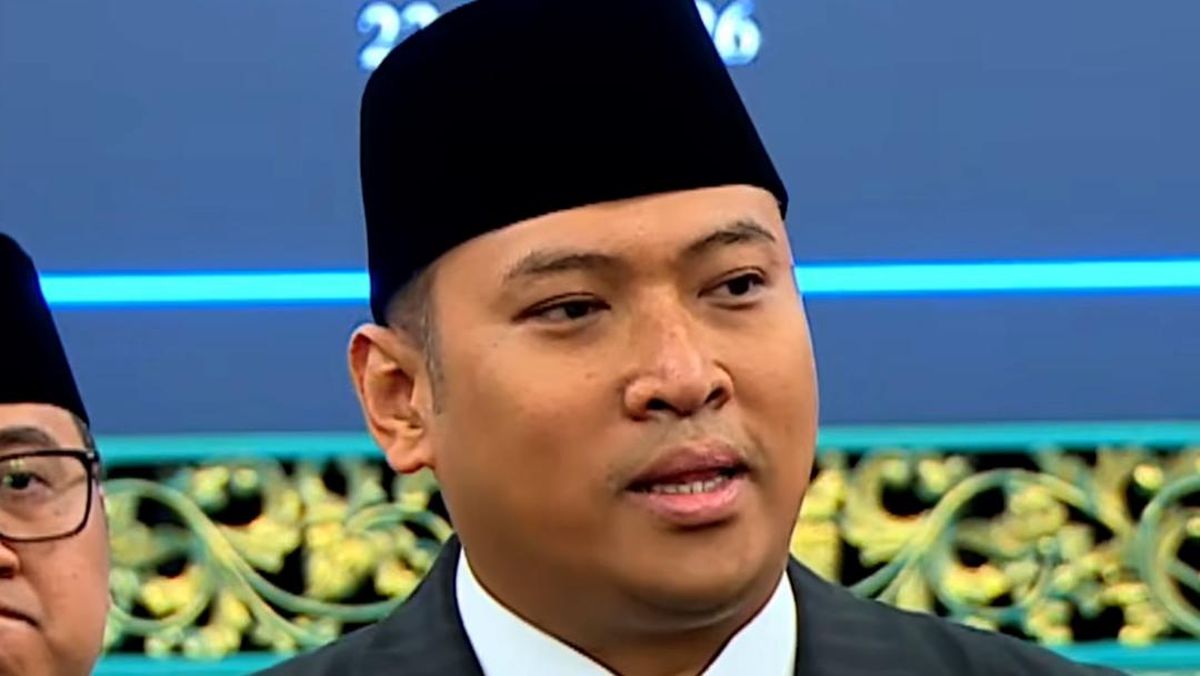
Jakarta, Indonesia – The head of Indonesia’s National Nutrition Agency (BGN), Sudaryono, has firmly stated that the agency cannot unilaterally halt the government’s flagship Free Nutritious Meal (MBG) program. Sudaryono clarified that such a decision falls outside the agency’s purview, emphasizing that his mandate is to oversee and improve the program’s implementation, not to dismantle it.
"If someone, in the name of criticism, suggests stopping or dissolving MBG or BGN, I believe that is not constructive criticism, nor is it within our authority to halt or dissolve BGN," Sudaryono stated at the BGN office in Central Jakarta on Wednesday, July 22nd. He stressed that the agency is receptive to all forms of feedback and suggestions aimed at enhancing the program’s effectiveness.
The MBG program, a central pillar of President Prabowo Subianto’s electoral platform, was conceived and publicly championed during his campaign. Sudaryono highlighted that the program’s genesis predates the current administration, having been a long-term political commitment articulated by President Subianto. "Free Nutritious Meals was President Prabowo’s political promise, planned long in advance, presented during the campaign, and subsequently, he was elected President," the former Deputy Minister of Agriculture explained.
Sudaryono acknowledged the widespread discussion and scrutiny of the MBG program on social media platforms. He welcomed this public engagement, provided that the information disseminated is factually accurate and grounded in truth, rather than misinformation or hoaxes. He recognized that the BGN and MBG are significant national issues that naturally attract public attention and vigorous debate online. The ease with which MBG-related issues can gain viral traction was also noted, suggesting that some public discourse might be driven by sensationalism.
"I have no issue with anything going viral. However, I want it to be reported or posted with the truth. If there are violations, then those have a basis in reality," Sudaryono asserted. He cautioned against the spread of hoaxes, slander, deliberate misinterpretations, or what he termed "sabotage" in discussions surrounding the MBG program.
The BGN, according to Sudaryono, is currently concentrating its efforts on refining the governance and operational framework of the MBG program. A key focus is ensuring the provision of nutritious and safe food for all beneficiaries, which include children, pregnant and breastfeeding mothers, and the elderly. Beyond direct nutritional benefits, the MBG program is also anticipated to stimulate economic activity, particularly in rural areas.
Background and Context of the Free Nutritious Meal (MBG) Program
The Free Nutritious Meal (MBG) program represents a significant policy initiative aimed at addressing critical issues of malnutrition and food security in Indonesia. Launched with substantial fanfare, it seeks to provide daily meals to vulnerable segments of the population. The program’s ambitious scope encompasses a wide array of target groups, reflecting a comprehensive approach to improving public health and well-being across different life stages.
Key Objectives of the MBG Program:
- Combating Malnutrition: A primary goal is to reduce the prevalence of stunting and malnutrition among children, a persistent challenge in Indonesia. By ensuring access to nutrient-rich meals, the program aims to support healthy growth and cognitive development.
- Supporting Maternal and Child Health: Pregnant and breastfeeding mothers are a crucial demographic, as their nutritional status directly impacts the health of both mother and child. The program aims to provide them with the necessary dietary intake to prevent complications and ensure healthy pregnancies and lactations.
- Addressing Food Insecurity Among the Elderly: Recognizing the vulnerability of the elderly to food insecurity and nutritional deficiencies, the MBG program extends its reach to this demographic, aiming to improve their quality of life and health outcomes.
- Economic Stimulation: The program is designed to create a ripple effect in the economy by creating demand for local food products and supporting agricultural supply chains, especially in rural communities. This aspect aims to foster economic empowerment alongside nutritional improvement.
The program’s implementation is a complex undertaking, involving procurement, logistics, distribution, and quality control. As with any large-scale government initiative, challenges in execution are inevitable, and public discourse often centers on these practical aspects.
Chronology of Key Developments and Statements
The public conversation surrounding the MBG program has been dynamic, with various stakeholders expressing their views. While the provided text focuses on Sudaryono’s recent statement, the program’s journey has involved several phases:
- Pre-Election Promises: The concept of providing free nutritious meals was a prominent theme during the presidential campaign, articulated by then-candidate Prabowo Subianto as a core policy to improve the nation’s health and welfare.
- Program Launch and Initial Implementation: Following the election and inauguration of President Subianto, the MBG program began its rollout. This phase typically involves establishing operational guidelines, identifying beneficiaries, and setting up supply chains.
- Emergence of Public Discourse and Criticism: As the program scaled up, public discussions intensified. Reports and social media posts highlighting potential issues, logistical challenges, or concerns about program effectiveness began to surface.
- Official Responses and Reaffirmations: The statements by Sudaryono represent the official response from the implementing agency, BGN. These responses aim to clarify the agency’s role, address public concerns, and reaffirm the program’s commitment and ongoing efforts.
The specific date mentioned in the article (Wednesday, July 22nd) refers to Sudaryono’s press conference, indicating a recent official engagement to address the program’s status and ongoing challenges.
Supporting Data and Broader Context
To understand the significance of the MBG program, it’s crucial to consider the nutritional landscape of Indonesia.
Malnutrition Statistics in Indonesia:
- Stunting: Indonesia has historically faced a high prevalence of stunting, defined as impaired growth and development that children experience from prolonged nutritional deprivation. According to data from the Indonesian Ministry of Health and the World Health Organization (WHO), stunting rates have been a major concern, impacting millions of children and leading to long-term health and cognitive consequences. While progress has been made, it remains a national priority.
- Micronutrient Deficiencies: Beyond stunting, micronutrient deficiencies (such as iron, vitamin A, and iodine) are also prevalent, affecting various population groups. These deficiencies can impair immune function, cognitive development, and overall health.
- Food Security: While Indonesia is a large agricultural producer, ensuring equitable access to nutritious food for all segments of the population remains a challenge. Factors such as poverty, geographical disparities, and climate change can affect food availability and affordability.
The MBG program is strategically positioned to address these deeply ingrained issues. By providing direct nutritional support, it aims to create a tangible impact on public health indicators. The economic implications are also substantial, as improved health outcomes can lead to increased productivity and reduced healthcare burdens in the long run.
Analysis of Implications and Stakeholder Reactions
Sudaryono’s statement underscores a fundamental tension in the implementation of large-scale government programs: the balance between public accountability and operational autonomy.
Implications of the Agency’s Stance:
- Program Continuity: The explicit statement that BGN cannot halt the program signals a strong commitment from the executive branch to its continuation. This provides a degree of certainty for beneficiaries and program implementers, while also setting expectations for public engagement.
- Focus on Improvement: By emphasizing openness to criticism and a focus on refining governance, BGN aims to steer public discourse towards constructive solutions. This approach suggests a strategy of managing public perception by demonstrating a commitment to accountability and continuous improvement.
- Political Mandate: The reference to MBG as President Subianto’s "political promise" highlights the program’s deep political roots. This implies that any significant changes or potential discontinuation would likely require a high-level political decision, rather than an administrative one by BGN.
Inferred Reactions from Related Parties:
- Beneficiaries: For the intended recipients of the MBG program, Sudaryono’s reassurance of continuity would likely be met with relief, especially for those who rely on the program for daily nutritional needs. However, concerns about the quality and consistency of the meals would remain paramount.
- Civil Society Organizations (CSOs) and Nutrition Experts: These groups often play a critical role in advocating for public health and scrutinizing government programs. They would likely continue to offer constructive criticism and data-driven recommendations, focusing on areas such as program transparency, efficiency, and equitable distribution. Their reaction to Sudaryono’s statement might be a cautious acceptance of the openness to feedback, coupled with a continued call for rigorous oversight.
- Food Suppliers and Businesses: The program’s scale creates significant opportunities for food producers and suppliers. They would likely welcome the assurance of program continuity, as it provides a stable market for their products. However, they would also be subject to the program’s procurement standards and regulations.
- Political Opposition: Opposition parties or critical political commentators might view Sudaryono’s statement as a defense of a potentially flawed program. They could use this as an opportunity to call for greater transparency and accountability from the government, or to highlight specific shortcomings that they believe are being downplayed.
Broader Impact and Future Outlook:
The success of the MBG program will hinge on its ability to effectively navigate the complexities of implementation while maintaining public trust. The BGN’s stated focus on improving governance is a positive step. However, the true impact will be measured by tangible improvements in nutritional outcomes, economic benefits for local communities, and the program’s overall efficiency and transparency.
The ongoing public dialogue, while sometimes challenging, is a vital component of democratic governance. By acknowledging and engaging with criticism, Sudaryono and the BGN are positioning themselves to address the challenges and ensure that the MBG program ultimately fulfills its promise of improving the health and well-being of the Indonesian people. The program’s long-term sustainability will likely depend on its ability to adapt to evolving needs, incorporate evidence-based improvements, and demonstrate clear, measurable positive outcomes for the nation.