PT Kereta Api Indonesia (Persero) Launches Massive 2026 External Recruitment Drive to Bolster National Rail Connectivity and Operations

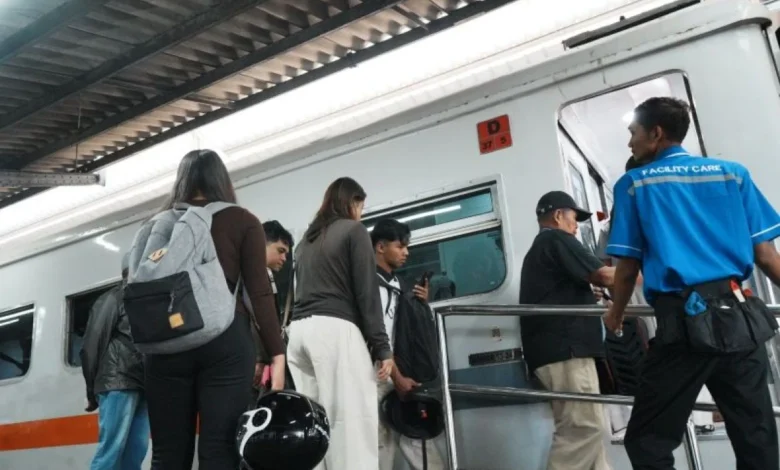
PT Kereta Api Indonesia (Persero), in collaboration with the KAI Group, has officially announced a significant external recruitment initiative for the year 2026. This comprehensive hiring program is designed to attract a diverse pool of talent ranging from high school graduates (SLTA) to those holding Diploma (D3) and Bachelor’s (D4/S1) degrees. As the national railway operator continues to see a surge in passenger demand and infrastructure expansion, this recruitment phase represents a strategic move to optimize human resource capabilities across critical operational and administrative sectors.
Strategic Objectives and Human Resource Requirements
The decision to initiate this mass recruitment comes at a pivotal time for KAI Group. With the national rail network undergoing modernization and an increasing focus on integrated transportation hubs, the demand for specialized technical and operational personnel has reached a new high. The recruitment drive covers a broad spectrum of departments, ensuring that the organization can maintain its high standards of safety, service, and efficiency.
Key areas of focus include operational roles, the maintenance of rolling stock and rail infrastructure, passenger services, medical support, administration, logistics, and legal affairs. By casting a wide net, KAI aims to bridge the gap between its current workforce capacity and the requirements of its long-term national development goals.
Comprehensive Recruitment Timeline
KAI has implemented a structured timeline to streamline the application process and ensure that prospective candidates have ample time to prepare. The process is divided into two distinct phases to manage the high volume of interest typical of such large-scale recruitment efforts:
- Account Registration Phase (September 4, 2026): The initial step involves the activation of the candidate’s digital presence. Applicants must create an account via the official portal, karier.kai.id. This portal serves as the centralized hub for all subsequent interactions between the applicant and the company.
- Application Submission Phase (September 7–10, 2026): Once an account is established, candidates may officially submit their applications for specific job formations. Given the short window for submission, KAI has strongly advised interested individuals to have their digital documentation—such as academic transcripts, identification cards, and professional certifications—prepared in advance.
Breakdown of Job Formations by Education Level
The recruitment program categorizes openings based on academic qualifications, ensuring that candidates are matched with roles that suit their skill sets and educational backgrounds.
For SLTA (High School) Graduates:
Opportunities for entry-level applicants are focused on core operational roles that are vital to the day-to-day functionality of the train network. These include positions such as Conductors, Train Drivers (Masinis), and roles within the maintenance departments for rolling stock and infrastructure. These roles are often the backbone of the railway’s ground operations.
For D3 (Diploma) Graduates:
The range of opportunities expands significantly for diploma holders. Positions available include:
- Conductor and Train Driver roles.
- Assistant PPKA (Train Dispatcher Assistants).
- KPJR Operators (Rail Maintenance Machinery Operators).
- Rolling stock and infrastructure maintenance technicians.
- Paramedical staff to support the health of KAI’s operational workforce.
- Administrative personnel.
For D4/S1 (Bachelor’s Degree) Graduates:
Professional roles requiring higher-level analytical and administrative oversight are reserved for degree holders. These include:
- Legal Administrative staff to handle the complex regulatory landscape of the transport industry.
- Logistics and Building Staff, essential for the maintenance and expansion of rail facilities.
- Negative Check Officers for Signaling, Telecommunications, and Facilities (Sintelis), which are high-precision roles vital for safety and signal reliability.
The Role of the Integrated Career Portal
A critical component of this recruitment drive is the use of the centralized portal, karier.kai.id. In previous years, recruitment processes were often decentralized, leading to inconsistencies in data handling. By migrating to a unified digital ecosystem, KAI is ensuring that the recruitment process is transparent, efficient, and easily auditable.
The portal provides candidates with a comprehensive dashboard where they can track their application status, receive notifications regarding interview schedules, and upload supporting documents. This digital transformation is part of a broader push within the KAI Group to modernize its internal management systems to align with the digitalization of the national transportation sector.
Economic Context and the Growth of KAI Group
The urgency for this recruitment drive is underscored by recent data regarding KAI’s operational performance. As of August 2026, the KAI Group reported serving approximately 351.6 million passengers, representing a significant year-on-year increase of 7.09 percent. This sustained growth in passenger numbers necessitates a proportional increase in the workforce to ensure service levels do not falter.
Furthermore, KAI is heavily invested in urban development projects, such as the KAI Properti initiatives aimed at creating transit-oriented developments (TODs). These projects, which integrate residential housing with public transportation hubs in major cities like Jakarta, require specialized staff to manage both the real estate and the transportation interfaces. The recruitment drive is not merely for traditional rail operations but also to support these secondary business units that are becoming increasingly central to the company’s revenue model.
Rigorous Standards and Selection Procedures
While the company is seeking to fill many vacancies, it maintains a strict adherence to quality and safety standards. Each formation has specific, non-negotiable requirements, including physical and medical health standards, age restrictions, and specific academic majors.
"The safety of our passengers and the reliability of our network are our highest priorities," a company representative noted during a briefing on the upcoming recruitment. "We do not compromise on the quality of our personnel, which is why we encourage all applicants to thoroughly review the specific requirements for each role before applying. Missing a single requirement or documentation can lead to automatic disqualification."
The "Zero Cost" Policy: A Warning Against Fraud
In an era where employment scams are prevalent, PT KAI has taken a proactive stance against fraudulent activities. The management has issued a stern warning to the public, emphasizing that the entire recruitment process is conducted internally and is completely free of charge.
KAI has explicitly stated that no money should be paid to any party under the guise of "guaranteeing" a position or "facilitating" the selection process. The company has clarified that all official communications will originate from the verified @kai.id domain or the official recruitment portal. The public is advised to report any suspicious solicitations that claim to represent the KAI Group to the company’s official customer service channels.
Implications for the Labor Market and National Infrastructure
The impact of this recruitment drive extends beyond the immediate need for staff. By creating thousands of jobs across diverse technical and administrative fields, KAI is playing a significant role in absorbing graduates into the workforce. This is particularly relevant for vocational and technical graduates who possess specialized skills in maintenance and logistics—skills that are currently in high demand in the national transport sector.
Moreover, the emphasis on technical roles—such as signal and telecom technicians—suggests that KAI is preparing for a new phase of technological implementation, likely involving the upgrading of signaling systems and the potential expansion of high-speed rail capabilities. As Indonesia continues to invest in its rail backbone, the personnel recruited in 2026 will be the individuals responsible for operating and maintaining the infrastructure that will define the next decade of Indonesian connectivity.
Conclusion and Recommendations for Applicants
For prospective candidates, the period between early September 2026 is critical. With the registration window opening on September 4, the most effective strategy is to initiate the account setup immediately. Waiting until the final days of the application window (September 7–10) could lead to technical congestion on the server, which may jeopardize an applicant’s chances.
Candidates should focus on the following:
- Documentation: Organize all academic and identity documents into the required digital formats.
- Research: Carefully analyze the job descriptions for each formation to ensure they align with their qualifications and personal career aspirations.
- Health and Fitness: For operational roles, prioritize physical fitness, as many of these positions involve rigorous health screenings.
- Official Channels: Rely solely on information provided via the official karier.kai.id website and KAI’s verified social media handles.
As the Indonesian government continues to prioritize rail as the primary mode of mass transportation for both passengers and freight, the role of PT KAI has never been more vital. This recruitment drive is a testament to the company’s commitment to growth and its role as a cornerstone of the national economy. By professionalizing its human resources and focusing on specialized technical training, the KAI Group is positioning itself to handle the challenges of a growing population and the evolving demands of modern, integrated transit systems. Whether in the driver’s cabin, the signaling room, or the administrative office, the individuals selected in this 2026 intake will become the essential components of the nation’s transportation future.
Related posts: