Indonesia Prepares IDR 3 Million Electric Motorcycle Incentive Program for September 2026 Implementation

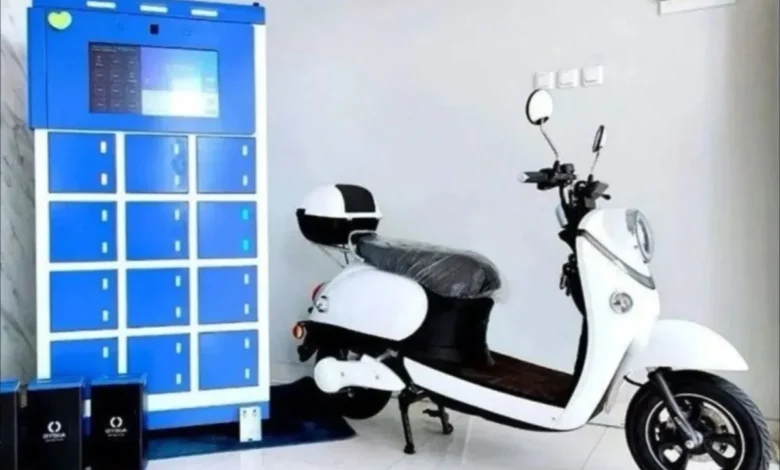
The Indonesian government is gearing up to revitalize the domestic electric vehicle (EV) sector through a strategic fiscal intervention, earmarking an incentive of IDR 3 million per unit for the purchase of electric motorcycles. Scheduled for rollout in September 2026, this policy shift represents a calculated effort to accelerate the transition toward sustainable mobility while bolstering the national manufacturing ecosystem. With an allocated budget of approximately IDR 3 trillion, the program is theoretically designed to support up to 1 million units, though policymakers are balancing these ambitious targets against current industrial realities.
The Strategic Shift in EV Policy
The announcement, spearheaded by the Ministry of Finance, reflects a refined approach to the government’s green energy agenda. By providing a direct price reduction of IDR 3 million, the state aims to lower the barrier to entry for consumers, making electric two-wheelers more competitive against their internal combustion engine (ICE) counterparts. Minister of Finance Purbaya Yudhi Sadewa emphasized that the program is currently in its final preparatory phase, with the government meticulously crafting the technical guidelines necessary to ensure the incentive is utilized effectively and transparently.
Historically, the government has experimented with various subsidy structures to encourage EV adoption. However, this iteration focuses specifically on standardizing the incentive to provide clarity for both manufacturers and potential buyers. The selection of September 2026 as the launch date serves as a critical buffer, allowing the domestic industry time to align its production capacities with the expected surge in demand.
Industrial Capacity and Market Realities
While the financial allocation suggests a capacity for 1 million units, the current trajectory of the Indonesian electric motorcycle industry presents a more conservative outlook. Official estimates suggest that the total national production capacity by the end of 2026 will hover around 100,000 units. This discrepancy between the financial ceiling and manufacturing capacity highlights a cautious approach by the government, acknowledging that market saturation is a long-term goal rather than an immediate consequence.
Industry experts suggest that this "gap" is actually a strategic advantage. It allows the government to scale the program gradually, ensuring that supply chain logistics—ranging from battery assembly to component manufacturing—can keep pace with government-subsidized demand. As the infrastructure for local content expands, the government is expected to adjust the eligibility criteria, potentially incentivizing higher levels of local manufacturing through future iterations of the policy.
Key Industry Players: The Case of Alva and Gesits
The government has explicitly identified two major players, Alva and Gesits, as primary candidates for the program. Alva, under PT Ilectra Motor Group (IMG), and Gesits, managed by PT Gesits Motor Nusantara, have been central to discussions regarding the implementation of these incentives. Their inclusion acknowledges their established presence in the Indonesian market and their compliance with existing manufacturing standards.
For consumers tracking the potential impact of these incentives, price simulations provide a glimpse into the future market landscape. Alva, which offers premium models such as the Cervo, Cervo X, Cervo Q, N3 Next Gen, and One XP, stands to see significant price adjustments. For instance, the Alva Cervo—currently retailing at approximately IDR 35.75 million—could potentially drop to IDR 32.75 million. Similarly, models like the N3 Next Gen and One XP, which hover around the IDR 31.5 million mark, could see their price points shift to approximately IDR 28.5 million.
Gesits, known for its focus on reliability and accessibility, presents a similar picture. The flagship Gesits G1, priced at roughly IDR 28.27 million, could reach an entry point of IDR 25.27 million. The more budget-conscious GV1 Standard Range, currently at IDR 23.956 million, would see a notable reduction to approximately IDR 20.956 million. These figures, while subject to change based on final regulatory approval, underscore the government’s intent to make green technology a viable financial choice for the middle class.
Regulatory Hurdles and Eligibility Criteria
A critical aspect of the upcoming program remains the definition of "eligible recipients." As of August 2026, the specific technical requirements for consumers—such as proof of residency, driving license validation, or previous vehicle ownership status—are still under review. The government is keen to avoid the pitfalls of previous subsidy programs, where criteria were often viewed as either too restrictive or insufficiently targeted toward the desired demographic.
Furthermore, the "Local Content Requirement" (TKDN) will likely remain a pillar of the eligibility criteria. By tying the IDR 3 million incentive to vehicles that meet specific domestic production thresholds, the government intends to force a transition from assembly-heavy models to those utilizing locally sourced components, including batteries and electronic control units (ECUs). This "Made in Indonesia" mandate is expected to stimulate downstream industrialization, turning the country into a regional hub for EV manufacturing.
The Role of Industry Associations
The Indonesian Electric Motorcycle Industry Association (AISMOLI) has played a pivotal role in lobbying for clear, consistent regulations. Representatives from the industry have consistently urged the government to expedite the release of technical guidelines, noting that uncertainty in the market can lead to consumer hesitation. By providing a definitive framework, the government helps retailers and manufacturers plan their inventories and marketing strategies with greater precision.
In addition to AISMOLI, organizations like the Institute for Essential Services Reform (IESR) have highlighted that the benefits of this program extend beyond simple consumer savings. The electrification of the two-wheeler segment is seen as a primary lever for reducing Indonesia’s dependency on subsidized fossil fuels. The reduction in fuel consumption, coupled with lower maintenance costs for electric vehicles, is projected to have a positive multiplier effect on the national economy, freeing up household disposable income and reducing the fiscal burden of fuel subsidies on the national budget.
Economic and Environmental Implications
The transition to electric motorcycles is not merely a transport policy; it is a fundamental component of Indonesia’s climate commitments. With the transport sector being a major contributor to urban air pollution and carbon emissions, the mass adoption of electric two-wheelers is essential for meeting the nation’s Net Zero Emission targets by 2060.
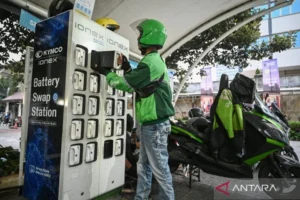
From an economic perspective, the program is expected to drive innovation in the secondary market and the financing sector. Financial institutions are already exploring specialized credit schemes for electric motorcycles, recognizing that lower operating costs and government support make these vehicles a lower-risk asset for lenders. However, this growth requires robust infrastructure, including the expansion of battery swapping stations and rapid charging networks.
Looking Toward September 2026
As the September 2026 deadline approaches, all eyes are on the Ministry of Economic Affairs and the Ministry of Finance to release the formal regulatory framework. This document will be the "source of truth" for manufacturers, dealers, and consumers alike. It will clarify the audit mechanisms that will prevent fraud, the process for claiming subsidies at the point of sale, and the specific model list that qualifies for the incentive.
For the Indonesian public, the message is one of cautious optimism. While the IDR 3 million incentive is a significant step, the long-term success of the program will depend on the sustained quality of the vehicles, the availability of after-sales service, and the continued affordability of electricity for charging. The government’s move to balance supply-side readiness with demand-side incentives represents a mature policy shift, moving away from temporary subsidies toward a sustained, industrial-grade strategy.
Conclusion: A Transformative Era
The impending rollout of the IDR 3 million electric motorcycle incentive is a landmark event in Indonesia’s industrial journey. By fostering a closer synergy between private manufacturers like Alva and Gesits and government fiscal policy, the state is laying the groundwork for a cleaner, more efficient transportation system. While the current focus is on the logistics of the September 2026 launch, the broader implications—ranging from job creation in the EV manufacturing sector to a reduced national carbon footprint—position this initiative as a cornerstone of Indonesia’s future economic landscape.
As stakeholders await the final regulatory gazette, the focus remains on the scalability of the program. If the government succeeds in aligning the 100,000-unit production capacity with the initial surge in demand, the path toward a greener, electrified Indonesia will be firmly established. For now, the automotive industry continues to prepare, anticipating that this intervention will not only lower costs for the consumer but also signal the beginning of a new chapter in the nation’s industrial modernization.