Navigating the Milestone of Generosity: A Comprehensive Guide on How to Teach Children the Value of Sharing Without Causing Emotional Distress


The development of social competence in early childhood remains one of the most critical yet challenging milestones for parents and caregivers to navigate. While sharing is widely recognized as a cornerstone of positive social interaction, fostering empathy, and building peer relationships, the path to spontaneous generosity is rarely straightforward. Children frequently display possessive behaviors over toys, food, and personal spaces, often leaving parents searching for effective strategies via digital platforms and parenting forums. Recent educational and psychological insights suggest that teaching children how to share requires a nuanced approach that respects developmental psychology rather than relying on forced compliance. Understanding the cognitive framework of young minds is essential for parents aiming to cultivate genuine empathy and social awareness without undermining a child’s developing sense of autonomy.
Understanding the Developmental Timeline of Sharing
To effectively guide children through the process of sharing, parents must first understand the cognitive and emotional milestones typical of early childhood development. According to developmental psychologists and pediatric health organizations, such as the Cleveland Clinic and parenting resources from Parents magazine, toddlers under the age of three lack the cognitive capacity to fully comprehend the abstract concept of sharing and taking turns.
In the earliest stages of life, infants and young toddlers are actively working to establish a separate sense of self. During this formative period, the concept of personal ownership is intimately tied to their emerging identity. When a toddler clings fiercely to a toy, they are not necessarily acting out of pure selfishness; rather, they are attempting to assert control over their immediate environment and validate their own existence as independent individuals. Expecting a six-month-old or a twelve-month-old to intuitively grasp the intricacies of sharing is developmentally unrealistic, much in the same way expecting a younger infant to run a marathon is impossible.
Experts generally advise that structured lessons on sharing become more effective around the age of three. Even at this stage, children are only beginning to grasp the mechanics of reciprocity and cooperative play. Recognizing these psychological boundaries prevents parents from imposing unrealistic expectations that can lead to unnecessary frustration for both the child and the caregiver.
Validating Emotions and Establishing Healthy Personal Boundaries
A pivotal shift in modern parenting involves moving away from punitive measures toward emotional validation. When a child experiences the distress of having a toy taken away by a peer or sibling, immediate intervention often involves scolding or demanding an abrupt handover. However, psychological research indicates that validating the child’s initial negative emotion yields better long-term emotional regulation.
For instance, when a child’s possession is abruptly taken, acknowledging their frustration with phrases such as, "You clearly feel upset that your friend took your toy; next time, hold it a bit more securely," teaches the child that their feelings are valid. This approach communicates that they are entitled to feel protective of their belongings. By establishing these healthy personal boundaries, children learn self-advocacy. Forcing a child to surrender an item against their will blurs these vital boundaries, potentially causing feelings of powerlessness, anxiety, and resentment toward the concept of giving.
The Ripple Effect: Empathy, Emotional Regulation, and Social Skills
The ultimate objective of teaching children to share extends far beyond mere politeness during playdates. Developing the ability to share correlates strongly with the acquisition of broader social skills, emotional regulation, and deep-seated empathy.
When children learn to navigate sharing, they are simultaneously learning that their desires do not universally take precedence over the needs of others. This realization is foundational for successful integration into school environments and broader societal structures. Through guided discussions, parents can prompt children to reflect on their own feelings in reverse scenarios—such as asking how they would feel if excluded from a shared playground swing. These reflective questions foster cognitive empathy, allowing children to visualize the emotional experiences of their peers and siblings.
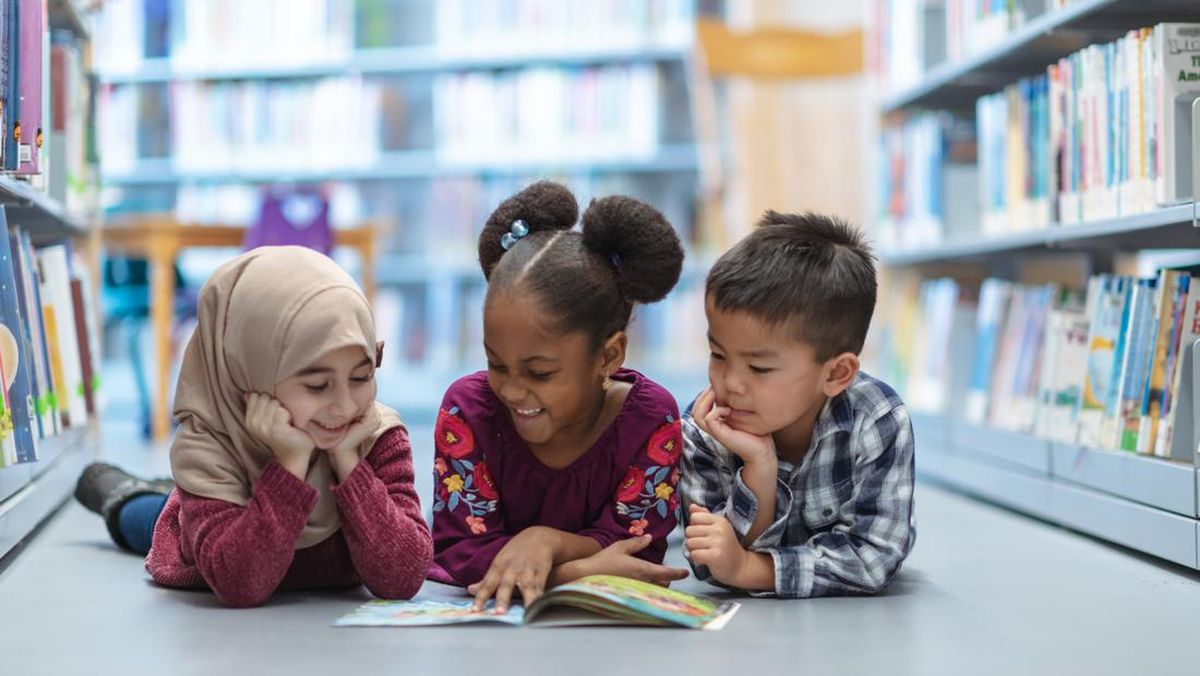
Furthermore, framing sharing as a mechanism that enhances fun rather than an obligation transforms the child’s perspective. Highlighting how cooperative activities, such as playing on a seesaw or building a joint block tower, yield superior enjoyment compared to solitary play provides a powerful intrinsic incentive.
Practical Strategies for Parents and Caregivers
Integrating lessons of generosity into daily life does not require rigid, clinical lesson plans. Instead, child development specialists recommend a series of practical, organic approaches that seamlessly blend into household routines:
-
Setting the Example Through Modeling
Children are keen observers who routinely mirror the behaviors of the adults in their immediate environment. Parents can create frequent, visible opportunities for children to witness sharing in action. Simple household activities—such as offering a portion of a snack to a partner, asking family members what television program they would prefer to watch, or volunteering to assist with domestic chores—demonstrate that generosity is a standard, positive aspect of daily life. -
Utilizing Positive Reinforcement and Specific Praise
When children display spontaneous acts of sharing, immediate and specific acknowledgment reinforces the positive behavior. Vague praise like "good job" is less effective than targeted statements such as, "I am so happy to see you sharing your blocks with your cousin," or "Look how joyful your sibling is because you offered them a piece of your fruit." This positive reinforcement encourages the repetition of the pro-social behavior without creating a transactional mindset where the child expects a reward every time they cooperate. -
Creating Natural Opportunities for Group Play
Utilizing community infrastructure, such as neighborhood parks featuring communal play equipment funded by public contributions, naturally exposes children to the realities of taking turns. When children utilize shared swings and slides, they unconsciously adapt to the rhythm of communal play. Similarly, hosting family gatherings that feature cooperative games encourages children to negotiate space and resources harmoniously. -
Avoiding Forced Compliance
As emphasized by behavioral specialists, forcing a child to hand over their belongings under duress is counterproductive. Compulsion deprives the child of autonomy over their personal possessions, frequently resulting in emotional outbursts and a deep-seated aversion to future sharing. Respecting a child’s current developmental capacity to own and protect personal items builds a secure foundation from which genuine generosity can naturally emerge over time.
Broader Sociological Implications and Future Outlook
The methodology surrounding early childhood socialization has undergone a significant paradigm shift over the past decade. Traditional disciplinary models that emphasized immediate compliance and obedience have largely been superseded by evidence-based practices rooted in emotional intelligence, neuroscience, and developmental psychology.
Sociologists and educators note that children who are guided through social milestones with empathy and respect exhibit higher levels of emotional resilience later in life. In an increasingly interconnected global society, the ability to collaborate, negotiate resources, and understand diverse perspectives is paramount. By fostering these foundational skills in a supportive, low-pressure domestic environment, parents are effectively equipping the next generation with the interpersonal competencies required for successful civic engagement and community building.
Ultimately, teaching a child to share is a marathon, not a sprint. It is an incremental journey of neurological development, emotional maturation, and relational trust. By honoring the child’s developmental timeline, validating their emotional states, and providing consistent positive reinforcement, caregivers can successfully guide children toward becoming naturally empathetic, generous, and socially adept individuals.