Routine workouts and strict diets are standard prescriptions for weight loss, yet millions of people—predominantly women—find themselves baffled when the circumference of their thighs, calves, or hips refuses to shrink. This persistent disproportion often leads to immense frustration, self-blame, and the erroneous belief that diet and exercise regimens are failing due to personal lack of discipline. However, medical experts increasingly emphasize that abnormal localized fat retention is not always a consequence of traditional weight gain. In many cases, it points toward a chronic, underdiagnosed medical condition known as lipedema.
Lipedema is a chronic adipose tissue disorder characterized by the symmetrical, abnormal accumulation of fat cells, primarily in the lower extremities, including the buttocks, hips, thighs, and calves, and occasionally extending to the arms. Unlike standard obesity, where fat is distributed relatively evenly or in response to caloric surpluses, lipedema fat behaves differently, resisting conventional weight-loss interventions. Because its physical presentation closely mimics generalized obesity or regular weight fluctuations, the condition is frequently misdiagnosed, leaving patients to suffer physical discomfort and psychological distress without adequate medical validation.
Defining Lipedema: A Medical Overview
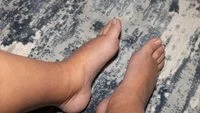
To understand the complexity of lipedema, one must examine how it alters the body’s fat distribution pathways. Clinically defined as a loose connective tissue disease, lipedema typically manifests bilaterally and symmetrically, affecting both sides of the body in a remarkably uniform pattern. A hallmark anatomical feature of the condition is a distinct cutoff point; the abnormal fat accumulation usually stops abruptly at the ankles or wrists, leaving the hands and feet remarkably unaffected and creating a "cuff" or "bracelet" effect.
Medical researchers categorize lipedema into distinct stages based on skin texture, tissue consistency, and the progression of fat accumulation. In Stage 1, the skin surface remains relatively smooth, but the underlying fat layer is thickened and soft, interspersed with microscopic nodular formations. As the condition advances to Stage 2, the skin takes on an uneven, indented texture resembling a mattress or cottage cheese, accompanied by larger nodules beneath the surface. In Stage 3, large overhangs of tissue develop, particularly on the thighs and around the knees, which can severely impair mobility and obstruct lymphatic drainage. Stage 4, sometimes referred to as lipo-lymphedema, occurs when the lymphatic system becomes chronically overwhelmed by the sheer volume of fat tissue, leading to secondary lymphedema characterized by persistent, non-pitting fluid swelling.
Chronology and Hormonal Triggers
The historical recognition of lipedema dates back to 1940, when doctors Edgar Allen and Edgar Hines at the Mayo Clinic first identified the syndrome. Despite being recognized in medical literature for over eight decades, the condition remains largely obscure in mainstream diagnostic practices, contributing to chronic delays in proper patient care.
The onset and exacerbation of lipedema are intimately tied to hormonal milestones throughout a woman’s life. The condition almost exclusively develops during periods marked by significant hormonal shifts. The most common trigger windows include:
- Puberty, when the body undergoes rapid hormonal surges and secondary sexual characteristics develop.
- Pregnancy, a period characterized by high concentrations of estrogen, progesterone, and placental hormones.
- Menopause, when metabolic rates decline and hormonal fluctuations destabilize adipose tissue distribution.
- Gynecological surgeries or major physical traumas that induce severe systemic stress or hormonal disruption.
Because of this clear hormonal correlation, researchers strongly suspect that estrogen receptor sensitivity plays a foundational role in the localized proliferation of abnormal fat cells. Furthermore, familial clustering is observed in approximately 20 to 60 percent of diagnosed cases, suggesting a robust genetic predisposition, though specific causative genes have yet to be definitively mapped.
Differentiating Lipedema from Generalized Obesity and Lymphedema
Misdiagnosis remains one of the primary hurdles in managing lipedema effectively. Patients are frequently told by primary care physicians simply to lose weight, despite mounting clinical evidence demonstrating that lipedema fat is metabolically distinct from ordinary subcutaneous fat.
To prevent clinical misinterpretation, medical specialists rely on several differential diagnostic criteria comparing lipedema, standard obesity, and lymphedema:
- Fat Distribution and Symmetry: In conventional obesity, fat distribution is systemic, influenced heavily by caloric intake, physical activity, and genetics, and lacks the striking symmetry and sharp demarcation lines seen in lipedema. Lipedema spares the hands and feet, whereas obesity involves generalized adiposity across the entire body.
- Response to Caloric Restriction: When individuals undergo caloric restriction or bariatric interventions, standard adipose tissue mobilizes to supply energy, resulting in overall volume reduction. Conversely, lipedema fat remains notoriously unresponsive to diet and exercise. While a patient may lose upper-body fat and visceral fat, the volume of the affected lower limbs remains virtually unchanged.
- Physical Sensation and Pain: Standard obesity is generally painless unless complicated by joint strain. Lipedema, however, is frequently characterized by deep-seated pain, tenderness, and hypersensitivity when the affected tissue is touched or pressed. Patients often report a heavy, aching sensation in their legs, which worsens over the course of the day.
- Bruising Tendency: Weakened micro-vessels within the abnormal adipose matrix make lipedema patients exceptionally prone to bruising. Minor bumps that would not leave a mark on an unaffected individual can cause significant ecchymosis in those with lipedema.
- Stemmer’s Sign: A clinical test utilized to differentiate lymphedema from lipedema is Stemmer’s sign. In pure lipedema, the skin fold at the base of the second toe can be pinched and lifted normally (negative Stemmer’s sign), whereas in lymphedema, the skin fold cannot be lifted due to severe fluid accumulation.
Global Prevalence and Epidemiological Data
Due to historical underreporting and diagnostic overlap with obesity, exact epidemiological data regarding lipedema vary widely. However, specialized lymphedema and vascular clinics estimate that lipedema affects anywhere from 10 percent to as many as 11 percent of the post-pubertal female population worldwide.
The vast gender disparity—with men only exceedingly rarely diagnosed, typically in the presence of severe hormonal imbalances such as liver cirrhosis or estrogen therapy—underscores the critical role of female sex hormones in the pathogenesis of the disease. Despite these sobering statistics, public health infrastructure in many nations still lacks standardized screening protocols, meaning patients frequently spend decades consulting multiple specialists before receiving an accurate diagnosis.
Multidisciplinary Treatment Approaches and Medical Management
While there is currently no permanent pharmacological cure for lipedema, modern medical consensus emphasizes a comprehensive, multidisciplinary management strategy designed to slow disease progression, alleviate symptoms, reduce pain, and preserve functional mobility.
The foundational framework for non-surgical care is Complete Decongestive Therapy (CDT), a regimen traditionally utilized for lymphedema management. CDT integrates four primary pillars:
- Manual Lymphatic Drainage (MLD): A specialized, gentle skin-stretching massage technique performed by certified therapists to stimulate lymphatic fluid circulation and reduce interstitial pressure in the limbs.
- Compression Therapy: The consistent use of custom-fitted flat-knit compression garments or multi-layer bandaging systems that provide external support to the micro-vessels, preventing fluid accumulation and supporting muscle pump efficiency during movement.
- Exercise Prescription: Low-impact physical activities—such as swimming, cycling, and walking—performed while wearing compression garments. Exercise enhances lymphatic return, maintains joint flexibility, and supports cardiovascular health without placing excessive strain on vulnerable lower-extremity joints.
- Skincare and Education: Rigorous maintenance of skin integrity to prevent infections (such as cellulitis), coupled with patient education regarding dietary anti-inflammatory practices. While diet does not shrink lipedema fat, maintaining a balanced, anti-inflammatory diet helps prevent secondary weight gain, which can exacerbate mechanical stress on the joints and worsen lymphatic congestion.
Surgical Interventions: Specialized Liposuction
For patients who experience severe functional impairment, chronic pain, or progressive deformity despite conservative therapy, surgical intervention remains an effective option. Unlike cosmetic liposuction, the surgical management of lipedema requires specialized techniques—such as water-assisted liposuction (WAL) or tumescent liposuction performed by surgeons intimately familiar with lymphatic anatomy.
The primary objective of lipedema reduction surgery is the meticulous extraction of diseased, pathological subcutaneous adipose tissue while safeguarding the delicate lymphatic vessels and underlying musculature. Clinical studies tracking post-operative outcomes over multi-year periods indicate significant reductions in limb volume, permanent alleviation of pain and bruising, and a dramatic improvement in overall patient mobility and quality of life.
Broader Implications and Psychological Impact
The societal implications of living with an unrecognized chronic condition like lipedema extend far beyond physical discomfort. Affected individuals frequently encounter systemic weight stigma, both within the general public and inside healthcare settings. Misinformed assumptions that attribute their disproportionate body shape to overeating or laziness foster profound psychological distress, anxiety, and depressive disorders among patients.
Public health advocates and medical societies are increasingly lobbying for enhanced medical education regarding adipose tissue disorders. Training primary care physicians to recognize the early clinical markers of lipedema—such as disproportionate limb enlargement, easy bruising, and localized pain—is vital for shortening the diagnostic odyssey many patients endure.
Ultimately, shifting the clinical narrative surrounding stubborn lower-body fat has profound implications for patient advocacy. Recognizing that conditions like lipedema exist validates the lived experiences of millions of women, redirecting their focus from self-blame and punishing, ineffective weight-loss cycles toward targeted, medically sound management strategies that prioritize long-term health, mobility, and well-being.