Beyond the Surface: Comprehensive Maintenance Protocols for Vehicles Exposed to Volcanic Ash Fallout

The recent eruptive activities of Mount Anak Krakatau have blanketed surrounding regions in significant layers of volcanic ash, posing an immediate and severe threat to the mechanical integrity and longevity of motor vehicles. While many motorists instinctively focus on the cosmetic damage to vehicle paintwork, automotive experts and geological surveys emphasize that the primary danger lies in the microscopic, abrasive nature of the ash particles that infiltrate vital internal components. Unlike common environmental dust, volcanic ash is composed of pulverized rock, minerals, and volcanic glass, possessing a jagged, crystalline structure capable of acting as a grinding compound within engines, braking systems, and electrical circuits.
The Geologic Threat: Why Volcanic Ash is Unique
Volcanic ash is not merely "dirt." According to the United States Geological Survey (USGS), ash consists of fragmented particles of igneous rock and volcanic glass, often less than two millimeters in diameter. Because these particles are formed during violent explosive eruptions, they are physically sharp and chemically harsh. When a vehicle drives through an ash-heavy environment, the combination of wind velocity and engine suction draws these particles into every available aperture. Once inside, the abrasive quality of the material accelerates mechanical wear, effectively "sanding down" internal moving parts, seals, and gaskets. If left unaddressed, this microscopic infiltration can lead to catastrophic engine failure or the systematic degradation of secondary systems.
Chronology of Recent Eruptive Activity
The current crisis follows a series of heightened seismic activities at the Anak Krakatau caldera. Monitoring data from the Center for Volcanology and Geological Hazard Mitigation (PVMBG) indicated an uptick in tremors starting in the early hours of the week, culminating in a major eruption that sent an ash column soaring into the atmosphere. The prevailing wind patterns subsequently dispersed the fallout across densely populated residential and commercial districts, coating vehicles in a thick, grey mantle. As the ash settled, it created a dual challenge: the immediate hazard to moving traffic and the secondary hazard of accumulation as the material hardened in high-humidity conditions.
Critical Component Vulnerability and Technical Risks
To mitigate long-term damage, vehicle owners must adopt a rigorous inspection and decontamination protocol that extends far beyond a simple car wash. Failure to address these seven critical areas can lead to significant repair costs:
1. Engine Air Intake and Filtration Systems
The air filter is the vehicle’s first line of defense, but it is also the most susceptible to total blockage. Ash particles quickly clog the porous media of the filter, restricting the oxygen supply to the combustion chamber. This leads to a rich fuel-air mixture, causing sluggish performance, increased fuel consumption, and potential overheating. More alarmingly, if the filter is bypassed or if the ash is fine enough to penetrate the medium, the abrasive particles enter the combustion chamber, scoring cylinder walls and damaging piston rings.
2. Braking Systems and Hydraulic Integrity
Brake pads and rotors rely on precise friction. The introduction of volcanic ash into the calipers or onto the rotor surface creates a compounding grinding effect. Every time the driver applies the brakes, the ash is pressed between the pad and the disc, acting as an industrial abrasive. This can cause rapid grooving of the rotors and premature wear of the pads. Furthermore, if ash enters the brake lines or ABS sensors, it can lead to compromised braking performance or intermittent failures of the anti-lock system.
3. Radiator and Thermal Management
The radiator depends on the free flow of ambient air through its fins to dissipate heat from the engine coolant. Ash accumulation acts as an insulator, trapping heat within the radiator assembly. As airflow is obstructed, the engine temperature rises, putting excessive stress on the cooling fan, water pump, and engine head gasket. Over time, the acidic properties inherent in some types of volcanic ash can also accelerate the corrosion of aluminum radiator fins.
4. Cabin Air Quality and Climate Control
The HVAC system of a modern vehicle acts as a giant vacuum. The cabin air filter is designed to catch pollen and road dust, not heavy concentrations of abrasive volcanic debris. If the filter becomes saturated, the HVAC blower motor can become unbalanced or clogged, leading to premature motor failure. Additionally, particles that bypass the filter can enter the passenger cabin, posing respiratory risks to occupants and potentially damaging sensitive electronic interfaces on the dashboard.
5. Optical Clarity and Wiper System Maintenance
The most visible, yet often mishandled, aspect of ash exposure is the windshield. Because the ash is essentially crushed glass, using the windshield wipers while the surface is dry is akin to using sandpaper on the glass. The result is permanent, deep scratching of the windshield and the immediate degradation of the rubber wiper blades. Owners must use copious amounts of water to flush the glass surface completely before attempting any mechanical wiping.
6. Electrical Components and Alternator Longevity
The electrical systems of modern vehicles are increasingly vulnerable to environmental contamination. Volcanic ash, particularly when damp, can become electrically conductive. If moisture-laden ash settles on the alternator, fuse boxes, or electronic control units (ECUs), it can create short circuits or interfere with signal transmission. The alternator, which relies on airflow for cooling, is particularly at risk if its internal windings become coated with conductive debris.
7. Internal Engine Lubrication
Perhaps the most severe, albeit hidden, risk is the contamination of engine oil. If fine ash particles bypass the air filtration system and enter the crankcase, they mix with the engine oil, turning it into a grinding paste. This mixture circulates through the oil pump and bearing surfaces, leading to rapid, irreversible damage to the engine’s bottom end.
Expert Recommendations for Remediation
The USGS and automotive industry specialists provide a clear set of guidelines for owners caught in these conditions:
- Avoid the "Dry Wipe": Never attempt to wipe or brush ash off the vehicle exterior when it is dry. Always use a low-pressure stream of water to rinse the ash away, starting from the roof and working downwards.
- Engine Bay Cleaning: If the vehicle has been exposed to heavy ash, the engine bay should be professionally cleaned using compressed air (under expert supervision) or specialized solvent cleaning. Simply hosing down the engine bay can be dangerous if electrical connections are not properly sealed.
- Scheduled Replacement: Following a major ash event, proactive replacement of air filters and cabin filters is highly recommended, regardless of the vehicle’s mileage interval.
- Oil Analysis: For vehicles driven extensively during an ash fall, an early oil change is a prudent investment to ensure that any microscopic contaminants are flushed from the system before they cause internal scoring.
Broader Implications and Economic Impact
The economic impact of volcanic ash on transport infrastructure is substantial. In regions affected by Anak Krakatau, the logistical strain on repair shops and automotive service centers has been significant. Repair facility managers report a surge in requests for "ash-related" maintenance, noting that the volume of vehicles requiring comprehensive cleaning and filtration replacement often outstrips the available supply of parts.
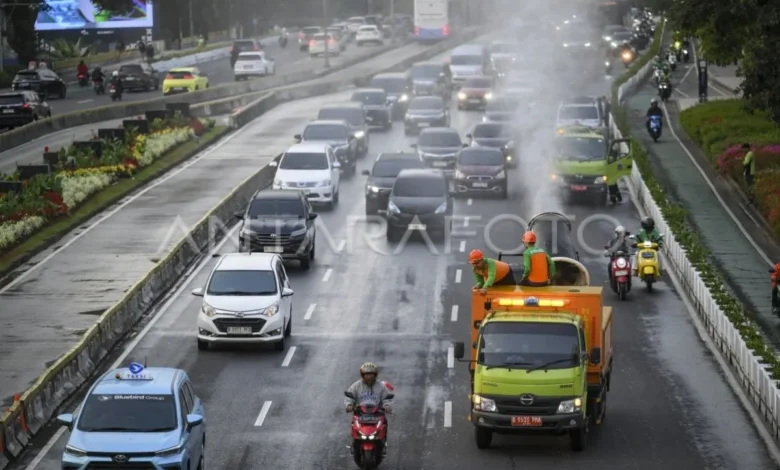
From a broader perspective, the incident highlights the necessity of disaster preparedness in automotive maintenance. Municipalities in volcanic-prone regions are increasingly evaluating the use of industrial-grade street sweepers, such as the AWC (Armored Water Cannon) vehicles used by local security forces, to suppress ash on major thoroughfares. However, the onus remains on the individual owner to ensure that the vehicle remains roadworthy.
Ultimately, the damage caused by volcanic ash is cumulative. While a vehicle may appear functional immediately following an eruption, the internal wear caused by abrasive particles may not manifest as a total system failure for hundreds or even thousands of kilometers. By acknowledging the unique properties of volcanic ash and adhering to strict decontamination and inspection protocols, vehicle owners can prevent a temporary environmental hazard from becoming a permanent mechanical write-off. The current situation with Mount Anak Krakatau serves as a critical reminder that in the face of volcanic events, the preservation of mechanical systems requires as much diligence as the protection of human health.