The Surprising Power of Walking: Why Simple Movement is the Most Effective Public Health Tool

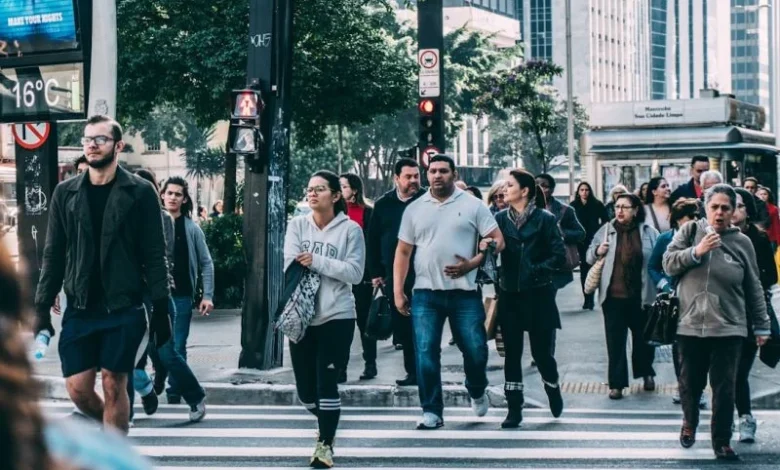
In an era defined by sedentary lifestyles, high-tech fitness trackers, and an obsession with expensive gym memberships, the most potent health intervention remains the most accessible one: walking. As modern society increasingly shifts toward desk-bound roles and screen-centric leisure, the simple act of putting one foot in front of the other has re-emerged as a critical focal point for public health professionals and urban planners alike. Far from being a mere transitional activity, walking has been clinically validated as a fundamental pillar of preventative medicine, capable of mitigating some of the most pervasive chronic illnesses of the 21st century.
The Evolution of Physical Activity in Modern Society
The trajectory of human movement has undergone a drastic transformation over the past century. Historically, physical activity was an involuntary byproduct of labor, transportation, and daily survival. Today, however, movement has become a "choice" that must be intentionally scheduled into an increasingly crowded calendar. This shift has contributed significantly to the global surge in non-communicable diseases (NCDs).
The World Health Organization (WHO) has noted that physical inactivity is now a leading risk factor for global mortality. As of the current decade, sedentary behavior is estimated to be responsible for millions of premature deaths annually. While the fitness industry often pushes high-intensity interval training (HIIT) and complex equipment, public health data suggests that the "simplicity" of walking is its greatest strength. It bypasses the barriers of cost, specialized skill, and time constraints that often prevent populations from engaging in regular exercise.
Clinical Benefits: Beyond Weight Management
While popular culture often frames walking exclusively through the lens of weight loss, the physiological benefits extend far deeper into the body’s systemic functions. Regular walking—particularly at a brisk, aerobic pace—induces a series of cardiovascular adaptations that protect the heart and lungs.
When an individual maintains a pace that elevates their heart rate, the cardiovascular system is forced to become more efficient at oxygenating the blood and delivering it to vital tissues. Clinical studies have consistently shown that consistent, moderate-intensity walking significantly lowers the risk of developing hypertension, type 2 diabetes, stroke, and certain oncological conditions.
The mechanism is twofold: first, the physical act improves endothelial function and arterial flexibility; second, it regulates metabolic markers, such as blood glucose levels, which are frequently disrupted by prolonged sitting. For individuals struggling with the onset of metabolic syndrome, replacing even thirty minutes of sedentary "desk time" with a brisk walk can result in measurable improvements in insulin sensitivity.
Mental Health and the Cognitive Connection
Recent research has begun to shift the focus from the heart to the brain, highlighting the profound neurological benefits of walking. The Centers for Disease Control and Prevention (CDC) has documented a strong correlation between regular physical movement and the reduction of symptoms associated with clinical depression and generalized anxiety disorder.
The act of walking stimulates the release of neurotrophic factors, such as brain-derived neurotrophic factor (BDNF), which supports the growth and survival of neurons. Furthermore, the practice of walking—often referred to in psychological circles as "green exercise" or "rhythmic movement"—promotes a meditative state that allows the prefrontal cortex to rest. This mental "de-cluttering" is essential for modern workers facing high levels of cognitive fatigue.
Beyond the chemical changes, the social aspect of walking cannot be overlooked. Urban walking clubs and community "walking groups" have become essential vehicles for social cohesion, combating the loneliness epidemic that has been exacerbated by remote work and digital isolation.
Debunking the 10,000-Step Myth
The pervasive "10,000 steps" target, while an effective marketing tool for early pedometer manufacturers, lacks a rigorous scientific origin. Recent meta-analyses indicate that while 10,000 steps are beneficial, the health returns begin to plateau much earlier.
The WHO currently advocates for a time-based approach rather than a step-based one, recommending 150 to 300 minutes of moderate-intensity aerobic physical activity per week for adults. This translates to approximately 20 to 40 minutes of walking per day. The critical takeaway for the public is that any increase in movement—no matter how small—is superior to physical inactivity.
For the average adult, the goal should be to break the cycle of prolonged sitting. Even if an individual cannot reach a 30-minute block of walking, breaking up sedentary intervals with three 10-minute walks throughout the day provides cumulative benefits that are nearly identical to a single, longer session.
Strategic Integration into Daily Life
The primary hurdle to adopting a walking habit is the perception that exercise must occur in a dedicated, high-intensity window. Public health experts are now pushing for "lifestyle integration," where walking is woven into the fabric of daily routines. This includes:
- Commuter Micro-walking: Incorporating a 15-minute walk at the start and end of a transit commute.
- Vertical Transitions: Prioritizing stairs over elevators, which engages larger muscle groups and increases heart rate more rapidly than flat-surface walking.
- The "Walking Meeting" Culture: Encouraging professional environments to move away from conference rooms to outdoor spaces, which has been shown to improve both creative output and employee morale.
- Post-Prandial Movement: Engaging in a brief walk immediately after meals to assist with glucose metabolism and prevent the post-meal "slump."
Safety and Practical Considerations
While walking is accessible, it is not immune to injury. Proper footwear is the most significant factor in preventing musculoskeletal issues such as plantar fasciitis or stress fractures. Furthermore, beginners are advised to adopt the "progressive overload" principle: start with a duration and intensity that feels comfortable, then incrementally increase the distance or speed as the body adapts.
It is also important for individuals with pre-existing cardiovascular conditions to be mindful of "red flag" symptoms. Chest discomfort, unexplained shortness of breath, dizziness, or localized pain in the lower limbs during a walk are indicators that one should stop the activity and consult a healthcare professional. These symptoms can be early warning signs of underlying pathology that requires medical management rather than just exercise.
The Broader Public Health Implication
The return to walking as a primary form of health maintenance has significant implications for urban planning and public policy. As city planners observe a growing demand for "walkability," the design of urban spaces is beginning to prioritize pedestrian infrastructure over vehicle-centric layouts.
The economic implications are equally significant. A more physically active population translates to reduced strain on national healthcare systems, lower costs associated with chronic disease management, and a more productive workforce. When a population shifts from sedentary to active, the cumulative effect on public health outcomes is measured in billions of dollars in saved healthcare expenditures.
Conclusion
Walking is perhaps the most underrated public health intervention in human history. It is the common denominator of longevity, a remedy for the modern epidemic of mental fatigue, and a low-barrier solution to the metabolic crisis facing industrialized nations. By moving away from the "all-or-nothing" mentality of intense athletic training and embracing the simplicity of the daily walk, individuals can reclaim their physical and mental autonomy.
The evidence is clear: the path to better health does not require a gym membership, a specialized diet, or a high-tech tracking device. It only requires the decision to stand up, step out, and keep moving. In a world that is increasingly complex, the most effective solution is often the one that has been with us all along.