Invisible Scars: The Enduring Crisis of Emotional Child Abuse and Its Long-Term Societal Consequences

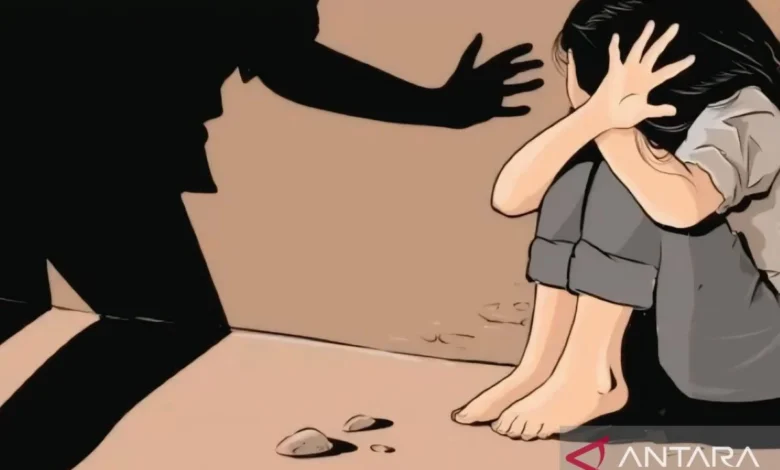
The phenomenon of child abuse represents a profound violation of human rights, characterized by any act—whether intentional or through gross negligence—that inflicts harm or distress upon an individual under the age of 18. While physical and sexual abuse are frequently prioritized in legislative and public discourse due to their visible markers, the insidious nature of emotional abuse remains a critical, often under-addressed public health crisis. Emotional abuse, defined by persistent patterns of derogatory communication, excessive criticism, unrealistic demands, and the deprivation of emotional support, inflicts wounds that are invisible to the naked eye but devastating to a child’s developmental trajectory.
The Mechanism of Transgenerational Trauma
One of the most concerning aspects of emotional abuse is its cyclical nature. Psychological research consistently identifies emotional violence as a "contagious" dynamic within dysfunctional family systems. A common pattern observed by clinicians is the displacement of aggression: when a domestic partner—often a father—subjects the mother to emotional abuse, the victimized parent may, in a state of chronic psychological distress, displace that frustration onto their children. This cascading cycle of abuse normalizes toxic behaviors, where yelling, belittling, and verbal degradation become the primary modes of familial communication.
Unlike physical injuries, which can be documented by forensic medical examiners, emotional abuse is notoriously difficult to detect. It does not manifest in bruises or fractures, but in the slow erosion of a child’s self-worth. When a child is subjected to constant disparagement or held to standards beyond their cognitive or emotional capacity, they do not simply "outgrow" the experience. Instead, they internalize these external critiques as fundamental truths about their own identity, creating a psychological foundation of shame and self-loathing.
Global Prevalence and Socioeconomic Determinants
Data from the Centers for Disease Control and Prevention (CDC) underscores the gravity of the situation, revealing that in the United States alone, approximately one in seven children has experienced some form of child abuse or neglect in the past year. While these statistics are significant, they are widely considered to be conservative estimates, as many cases of emotional maltreatment go unreported due to the lack of physical evidence.
A critical factor in the prevalence of these cases is the nexus between poverty and domestic instability. Families living in socioeconomic distress face higher levels of cortisol-inducing stress, which can diminish parental capacity for emotional regulation. When basic needs such as housing, food, and financial security are precarious, the psychological bandwidth of caregivers often shrinks, increasing the probability of both neglect and emotionally abusive behaviors. This systemic link highlights that child abuse is not merely an individual failing but a byproduct of wider societal inequalities.
The Neurobiological and Psychological Impact
The impact of chronic emotional abuse is profound, affecting the child’s developing brain architecture. Prolonged exposure to toxic stress—the physiological state caused by frequent or sustained abuse—alters the development of the amygdala and the prefrontal cortex. These areas are responsible for emotional regulation, executive functioning, and impulse control.
When a child is taught that they are worthless, they begin to mirror these sentiments in their daily behavior. This manifests as a loss of identity, where the child loses the ability to distinguish their own desires from the negative projections of their abusers. As these victims transition into adolescence and adulthood, the lack of a stable self-concept leads to a high susceptibility to clinical depression, generalized anxiety disorder, and complex trauma (C-PTSD).
Furthermore, longitudinal studies have linked childhood emotional abuse to a range of long-term health outcomes, including eating disorders, substance abuse, and difficulty maintaining professional relationships. Because the foundation of their early social interaction was defined by fear and criticism, survivors often struggle to establish healthy boundaries. This leads to two common, yet equally damaging, outcomes: either the survivor falls into a pattern of self-isolation to avoid further rejection, or they inadvertently seek out abusive partners, replicating the familiar dynamics of their childhood.
Recent Legal and Policy Interventions
The urgency of addressing child abuse has spurred significant legal and administrative action in various jurisdictions. For instance, recent developments in Indonesia have seen the Ministry of Women’s Empowerment and Child Protection (KemenPPPA) advocating for stricter sentencing in high-profile abuse cases. The support for a 10-year prison sentence for a daycare operator involved in child maltreatment serves as a signal that the state is shifting toward a more punitive approach to safeguarding children in institutional settings.
Beyond the courtroom, government bodies are increasingly focusing on the intersection of digital safety and child welfare. As children spend more time in digital environments, the potential for online bullying and emotional manipulation has grown. KemenPPPA has recently emphasized the necessity of integrating national policies to protect children in the digital sphere, recognizing that the "home" is no longer the only environment where a child’s emotional wellbeing can be compromised.
Moreover, the Coordinating Ministry for Human Development and Cultural Affairs (Kemenko PMK) has launched initiatives aimed at fostering inter-agency collaboration to reduce violence against women and children. The logic behind these collaborations is clear: since emotional abuse of children is inextricably linked to the treatment of women within the home, interventions must be holistic. Protecting the mother is, by extension, a critical mechanism for protecting the child.
Fact-Based Analysis: Beyond the Symptoms
The societal cost of failing to address emotional abuse is immense. When children grow up in abusive environments, the trauma is not contained within the family unit; it ripples outward into the workforce, the healthcare system, and the criminal justice system.
- Economic Implications: Survivors of childhood abuse are more likely to experience employment instability, leading to lower lifetime earnings and a greater reliance on social safety nets.
- Healthcare Burden: The chronic health issues associated with early childhood trauma—including autoimmune disorders and heart disease—place a significant, long-term burden on public health systems.
- Intergenerational Transmission: Without intervention, the trauma of emotional abuse is often passed to the next generation, creating a cycle that can persist for decades, if not centuries, within families.
Policy experts argue that the solution requires a move away from purely reactive measures—such as prosecuting perpetrators after the fact—and toward robust, preventative strategies. This includes early childhood education programs that teach parents emotional regulation techniques, the integration of mental health screenings in pediatric care, and the destigmatization of seeking therapy for domestic struggles.
Conclusion: The Path Forward
The evidence is clear: emotional abuse is a silent epidemic with deafening consequences. While physical and sexual abuse demand immediate intervention, the nuanced, long-term destruction wrought by emotional abuse requires a more sophisticated public health response. It necessitates a shift in cultural attitudes toward parenting, moving away from authoritarian and punitive styles toward those grounded in empathy and developmental science.
Protecting children is a collective responsibility that extends beyond the family home. It requires a societal commitment to reducing the stressors—such as poverty and gender-based violence—that drive parents toward abuse. Until we view emotional violence with the same gravity as physical assault, we will continue to fail the most vulnerable members of our society. The healing of a child’s inner world is not just a personal matter; it is a fundamental requirement for a healthier, more stable society. As data from agencies like the CDC and advocacy from ministries like KemenPPPA suggest, the path to ending this cycle lies in the integration of legal accountability, robust social support, and a deeper, public understanding of the invisible, yet permanent, nature of emotional trauma.