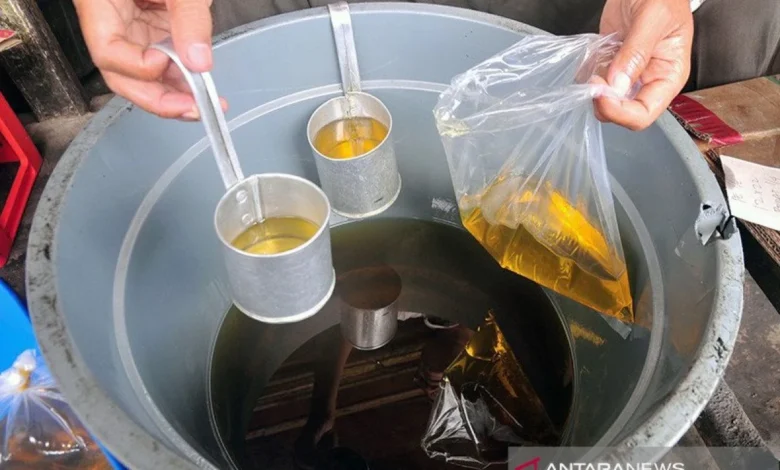
The Chemistry of Reused Oil and Health Implications
The fundamental concern regarding the repeated use of cooking oil lies in the chemical transformation that occurs during the heating process. When oil is heated to high temperatures—typically beyond its smoke point—it undergoes a series of complex chemical reactions, including oxidation, hydrolysis, and polymerization.
According to insights from health organizations such as Eating Well and Medical News Today, these reactions degrade the nutritional profile of the oil. Essential fatty acids, such as Omega-3, are rapidly depleted during repeated heating cycles. Concurrently, the oil begins to accumulate harmful compounds, including polar compounds, free radicals, and potentially toxic aldehydes.
The health implications are substantial. Research indicates that the chronic consumption of oil that has been repeatedly heated can lead to the formation of carcinogenic substances. These compounds are linked to an increased risk of cellular mutations, which serve as precursors to various types of cancer. Furthermore, the ingestion of degraded fats promotes systemic inflammation, which is a known catalyst for cardiovascular issues, including hypertension and elevated cholesterol levels. Prolonged exposure to these lipid peroxides can also strain liver function and negatively impact neurological health, as the body struggles to process the oxidized fats and metabolic waste.
Establishing the Threshold: When is Oil No Longer Viable?
Distinguishing between oil that is still safe for limited use and oil that has become a health hazard requires vigilance. Consumers should be aware of specific indicators that signal the oil has reached its end-of-life:
- Visual Indicators: A significant darkening of the oil color, particularly if it becomes murky or cloudy, suggests extensive breakdown.
- Viscosity Changes: If the oil becomes thicker or more viscous than it was in its original state, it indicates that the chemical structure has polymerized.
- Smoke Point Reduction: Oil that begins to smoke at a much lower temperature than usual has been compromised.
- Odor and Flavor: A rancid or off-putting odor, or the presence of a burnt taste transferred to the food, is an immediate sign that the oil has oxidized and should be discarded.
- Foaming: Excessive foaming at the surface during the frying process is a classic sign of chemical degradation.
The Environmental Cost of Improper Disposal
Beyond the individual health risks, the improper disposal of used cooking oil—commonly referred to as "jelantah" in Indonesia—poses a significant challenge to municipal infrastructure. A common, albeit incorrect, practice is pouring used oil directly into kitchen sinks or drains.
This behavior is a leading cause of sewage blockages. As the oil cools within the pipes, it solidifies into a thick, waxy substance that traps other debris. This creates "fatbergs"—massive, hardened obstructions that can shut down entire municipal wastewater systems, leading to costly repairs and public health hazards from sewer overflows. Furthermore, disposing of oil in garden soil or compost heaps is equally detrimental; the oil coats soil particles, preventing water and oxygen from reaching plant roots and disrupting the microbial balance necessary for effective composting.
Strategic Waste Management: A Timeline of Progress
The management of used cooking oil has evolved from a household waste issue to a component of the circular economy. In recent years, local governments and environmental agencies have initiated systematic programs to formalize the collection of used oil.
- Initial Phase: Historically, used oil was largely treated as general trash, leading to environmental contamination and public health issues.
- The Rise of Circular Initiatives (2020-2023): Municipalities began recognizing the potential of used oil as a feedstock for biodiesel. Programs were launched to incentivize residents to donate or sell their used oil to collection centers, such as the Bank Sampah (Waste Banks) in South Jakarta.
- Expansion and Diversification (2024-Present): Recent initiatives have expanded to include the conversion of used oil into industrial soap, household cleaning agents, and high-value sustainable aviation fuel (SAF) precursors. This shift has turned a potential pollutant into a profitable, renewable resource.
Standardized Procedures for Household Oil Disposal
To mitigate both health and environmental risks, households are advised to follow standardized disposal protocols. If the oil is deemed unusable, the following steps should be taken:
- Cooling: Always allow the oil to reach room temperature before handling to prevent burns and accidental damage to plastic disposal containers.
- Absorption Method: For small quantities, mix the cooled oil with absorbent materials such as used coffee grounds, shredded paper, or cat litter. Once the oil is solidified and absorbed, it can be placed in a sealed bag and disposed of with regular household waste.
- Containerization: If absorbent materials are unavailable, pour the cooled oil into a non-recyclable, leak-proof container—such as an old coffee tin or a plastic bottle—seal it tightly, and place it in the trash bin.
- Community Collection: The most environmentally responsible choice is to participate in local waste-to-energy programs. Many urban districts now have designated collection points where used oil is aggregated, filtered, and processed into renewable fuel or soaps. Utilizing these services ensures that the waste is diverted from landfills and sewers.
Official Responses and Broader Implications
Public health experts and municipal officials have increasingly emphasized the importance of community education regarding the risks of repeated oil consumption. In cities like Jakarta, local authorities have intensified socialization efforts to discourage the reuse of oil by food vendors, noting that the economic temptation to reuse oil often overrides safety protocols.
Observers note that the transition to a sustainable disposal model is not merely a matter of environmental policy but a vital component of public health strategy. By reducing the volume of degraded fats in the public food supply and preventing infrastructure failure, these initiatives offer a dual benefit to society.
The economic shift is also notable. As the global demand for biofuels rises, used cooking oil has transitioned from a waste product with a negative value to a commodity with a positive market price. This provides a financial incentive for citizens and small businesses to participate in collection programs.
Conclusion: Toward Sustainable Consumption
The habit of reusing oil is one that requires careful management and, in many cases, a shift in lifestyle. While it is technically possible to reuse oil for a limited number of cycles, the cumulative risk to health—ranging from inflammation to long-term chronic disease—suggests that caution is paramount.
By adopting proper disposal methods, citizens play an active role in protecting both their health and the environment. Whether through the systematic use of absorbent materials or participation in local recycling programs, the goal remains the same: to prevent the negative externalities of food preparation from impacting public well-being and urban infrastructure. As technology continues to improve the efficiency of transforming waste oil into clean energy, the role of the individual consumer in the supply chain of circular energy becomes increasingly significant. Moving forward, continued education and the expansion of collection infrastructure will be the cornerstones of a safer, more sustainable culinary environment.