Bracing for the Beyond: Britain’s Deepest, Longest, and Highest Canal Tunnel Marks 25 Years with Spine-Chilling Halloween Ghost Tours

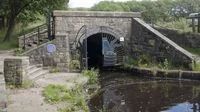
Deep beneath the rugged, wind-swept expanse of the Pennine mountain range in Northern England lies a subterranean marvel of the Industrial Revolution. The Standedge Tunnel—revered as the deepest, longest, and highest canal tunnel in the United Kingdom—is preparing to welcome thrill-seekers and paranormal enthusiasts for a series of immersive ghost-hunting tours. Scheduled for October 30 and 31, the special Halloween event coincides with a significant milestone: the 25th anniversary of the historic waterway’s grand reopening following decades of abandonment.
Managed by the Canal & River Trust (CRT), a national waterway charity dedicated to preserving and maintaining Britain’s historic canals and rivers, the upcoming Halloween tours aim to blend local folklore, architectural heritage, and charitable fundraising. However, beyond the festivities and eerie nocturnal explorations lies a pressing operational challenge for the trust, as aging infrastructure threatens the future accessibility of this unique subterranean landmark.
Engineering Triumph Beneath the Pennines
Stretching an impressive 5.6 kilometers (3.5 miles) underground, the Standedge Tunnel connects the picturesque village of Marsden in West Yorkshire with Diggle in Greater Manchester. Its construction is a testament to the grit, engineering prowess, and sheer physical labor of the early 19th century. Commenced in 1794, the ambitious project required seventeen years of grueling manual labor, relying heavily on picks, shovels, hand-drilled explosives, and the sheer muscle power of hundreds of workers known as navvies.
When the tunnel officially opened to navigation in 1811, it instantly became a vital link in the transport network connecting the industrial hubs of Yorkshire and Lancashire. Today, it is officially recognized as one of the seven wonders of the UK waterways network, drawing thousands of visitors, historians, and engineering enthusiasts annually. Navigating the tunnel is an otherworldly experience; devoid of natural light, narrow-boat passengers are enveloped in total darkness, broken only by the vessel’s headlights, while water drips from the bare rock ceiling, echoing against the brick-lined sections of the bore.
Chronology of the Standedge Tunnel: From Industrial Lifeline to Heritage Landmark
1794: Authorization is granted by an Act of Parliament to construct the Huddersfield Narrow Canal, including the massive Standedge Tunnel project, to facilitate the transport of coal, textiles, and raw materials.
1811: After seventeen years of hazardous excavation, engineering delays, and financial strain, the Standedge Tunnel is officially completed and opened, standing as the longest canal tunnel in the country.
1944: Commercial traffic through the Huddersfield Narrow Canal ceases entirely as railways and road transport dominate freight logistics, leading to the gradual decline and eventual closure of the waterway.
1974: The Huddersfield Canal Society is formed by passionate local volunteers dedicated to campaigning for the total restoration of the derelict canal and its monumental tunnel.
2001: Following a massive, multi-million-pound restoration project funded by the Millennium Commission, local authorities, and heritage grants, the Standedge Tunnel is triumphantly reopened to narrow-boat traffic and recreational visitors.
2026 (Upcoming): The Canal & River Trust prepares to celebrate a quarter-century of continuous public access, highlighting the ongoing struggle to maintain aging vessels and subterranean infrastructure.
Tales from the Dark: Paranormal Reports Inside the Bore
While engineers and historians praise the tunnel for its architectural brilliance, those who work within its damp confines often share a different perspective. Over the decades, CRT staff, lock keepers, and adventurous visitors have reported a series of unexplained phenomena that defy rational explanation.
Accounts range from sudden, unexplained drops in ambient temperature and intense feelings of being watched, to mysterious flashes of light bouncing off the damp brickwork. More chillingly, several reliable witnesses have reported hearing disembodied footsteps echoing through the empty air miles away from any entrance, as well as fleeting visual apparitions of a mysterious figure draped in a heavy cloak moving silently through the shadows.
Capitalizing on these enduring local legends, the Canal & River Trust has curated a specialized Halloween program designed to test the nerves of even the most seasoned paranormal investigators. "This activity is deliberately crafted to deliver a spine-chilling experience for even the bravest ghost hunters," stated a spokesperson for the CRT, drawing significant interest from media outlets such as The Independent.
Fundraising for the Future: Preserving Subterranean Heritage
Beneath the eerie excitement of the Halloween ghost tours lies a sobering operational reality. The current public boat used to ferry visitors through the 5.6-kilometer subterranean labyrinth has reached the end of its operational lifespan. Since the triumphant restoration in 2001, this vessel has safely carried tens of thousands of tourists, families, and school groups through the damp belly of the Pennines, serving as an invaluable educational and recreational resource.
To ensure that future generations can continue to experience the breathtaking scale of the Standedge Tunnel, the CRT has launched an urgent public fundraising campaign. Alongside the Halloween boat tours, the charity is partnering with the Huddersfield Canal Society to host family-friendly "ghost-busting" activities, with all proceeds directly earmarked for the acquisition of a replacement tour boat.
Catherine Clayton, Regional Operations Manager for the Canal & River Trust, emphasized the critical nature of community involvement in safeguarding the site for posterity. "Without a replacement boat, future generations may no longer have the opportunity to experience this extraordinary journey beneath the Pennines," Clayton warned. "That is why we are earnestly appealing for public support to help us keep this vital heritage asset alive and accessible."
Broader Implications and Economic Impact
The plight of the Standedge Tunnel highlights a broader challenge facing heritage management bodies across the United Kingdom: the escalating cost of maintaining aging Victorian infrastructure against a backdrop of constrained public funding. Waterways like the Huddersfield Narrow Canal do more than merely preserve history; they serve as vital economic drivers for rural and post-industrial communities along their corridors.
Tourism centered around the tunnel brings much-needed revenue to local businesses, including cafes, bed-and-breakfasts, pubs, and shops in Marsden and Diggle. Furthermore, recreational waterways play a documented role in promoting mental and physical wellbeing through outdoor engagement. The loss of boat transit capabilities through the tunnel would represent a significant blow to the local visitor economy and diminish the public’s connection to Britain’s industrial heritage.
As tickets for the upcoming Halloween ghost tours go on sale—available directly through the official Canal & River Trust website (canalrivertrust.org.uk) or at the CRT office in Marsden—organizers remain optimistic that public enthusiasm will match the scale of the challenge. For two nights in late October, as tourists don lanterns and board the watercraft in pitch darkness, the ghosts of the past will share the tunnel with those fighting to secure its future.