Beyond Bolu Meranti: A Comprehensive Guide to Medan’s Diverse Culinary and Cultural Souvenirs

Medan, the vibrant capital of North Sumatra, has long been synonymous with its legendary Bolu Meranti. This iconic sponge cake, characterized by its soft texture and decadent fillings, has cemented its place in the national consciousness as the definitive gift for visitors. However, the culinary landscape of this bustling metropolis extends far beyond a single brand. As tourism in North Sumatra continues to see a steady resurgence following the post-pandemic recovery period, the demand for authentic, diverse, and culturally significant souvenirs has surged, prompting a shift in consumer behavior toward locally sourced artisan products that tell the story of the region’s multicultural heritage.
The Evolution of Medan’s Souvenir Industry
Historically, Medan’s souvenir market was dominated by a few large-scale retailers. However, over the past decade, there has been a notable shift. Economic data from the North Sumatra Tourism Office indicates that the average tourist expenditure on locally manufactured culinary products has increased by approximately 15 percent annually. This shift is driven by a growing preference for products that reflect the region’s unique ethnic blend—comprising Batak, Malay, Chinese, and Indian influences.
The current souvenir market in Medan is no longer just about convenience; it is about narrative. Tourists are increasingly seeking products that offer a tangible connection to the city’s history, such as the storied Bika Ambon or the globally recognized specialty coffees from the Dairi highlands.
Iconic Culinary Treasures: Beyond the Sponge Cake
While Bolu Meranti remains a commercial powerhouse, several other products represent the authentic soul of Medan’s gastronomy.
Bika Ambon: The Paradox of Names
Perhaps the most famous confusion in Indonesian culinary nomenclature is Bika Ambon. Despite its name, this honeycomb-textured, bright yellow cake is an undisputed icon of Medan. Culinary historians trace its popularity to the Jalan Ambon area in the 1970s. Its preparation, which requires precise fermentation of tapioca flour and coconut milk, results in a distinct, aromatic, and springy texture that is difficult to replicate elsewhere. Today, modernized versions incorporate pandan, chocolate, and cheese, catering to a younger demographic without compromising the traditional manufacturing process.
The Durian Phenomenon: Ucok and Beyond
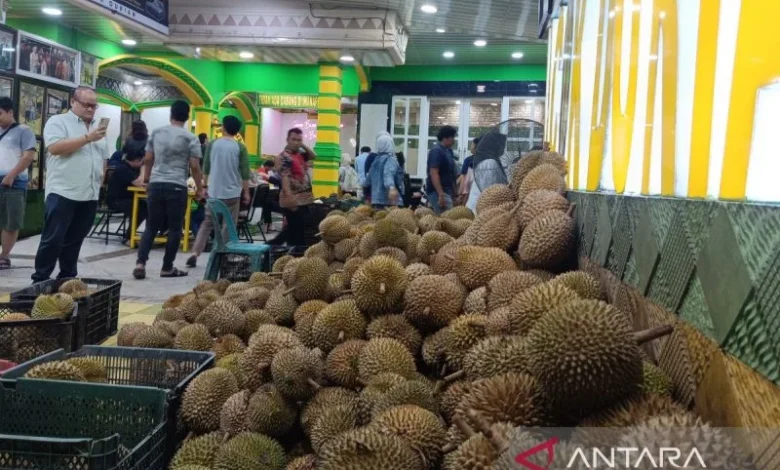
Medan is frequently cited as the durian capital of Indonesia. The fruit is so deeply embedded in the local economy that it has spawned a year-round tourism sub-sector. Establishments like Ucok Durian have transformed from simple roadside stalls into massive logistics hubs capable of packaging durian for travel. Innovations such as the pancake durian—a delicate crepe filled with durian flesh and cream—have solved the logistical challenges of transporting the pungent fruit, allowing visitors to bring the experience home safely.
Sirup Markisa and Tropical Exports
The Markisa (passion fruit) industry in North Sumatra is a testament to the region’s agricultural fertility. Brands like Markisa Noerlen have mastered the art of extraction, creating a concentrate that balances acidity and sweetness. This product serves as a vital economic link for farmers in the Berastagi highlands, providing a value-added product that is easily exportable and highly shelf-stable.
Coffee and Spices: The Highland Connection
The highlands of North Sumatra, particularly the Sidikalang region in Dairi Regency, produce some of the finest Arabica coffee in the world. The volcanic soil and high altitude provide a distinct flavor profile characterized by earthy notes and a heavy body.
In recent years, the push for "single-origin" branding has allowed local producers to bypass middlemen, selling directly to tourists. This movement has not only improved profit margins for local farmers but has also turned coffee shops in Medan into cultural hubs where travelers can learn about the harvesting process. Similarly, the local spice trade, specifically in sambals and rendang pastes, has seen a resurgence in professional, vacuum-sealed packaging. These products allow tourists to recreate the complex, spicy profiles of North Sumatran cuisine in their own kitchens, effectively extending the tourism experience far beyond the return flight.
Cultural Artifacts: The Lasting Legacy of Ulos
Not all souvenirs from Medan are ephemeral. The Ulos, a traditional woven fabric of the Batak people, represents the region’s spiritual and social history. Ulos is not merely a textile; it is a ceremonial item used in birth, marriage, and funeral rites.
In the last five years, there has been a deliberate effort by local government and private cooperatives to move Ulos beyond its traditional ceremonial use into the realm of modern fashion and home decor. By creating smaller, wearable items like scarves, shawls, and table runners, producers have made the fabric more accessible to the average tourist. This transition has been critical in preserving the weaving craft, as younger generations of artisans are incentivized to maintain the tradition due to consistent market demand.
Market Trends and Economic Implications
The diversification of Medan’s souvenir market has profound implications for the local economy. By moving away from a reliance on a few "mega-brands," the city has created a more resilient ecosystem of micro, small, and medium enterprises (MSMEs).
According to a 2024 analysis by the Indonesian Chamber of Commerce and Industry (KADIN) North Sumatra chapter, the tourism-related retail sector supports over 50,000 jobs in the province. The ripple effect is clear: a tourist buying a box of dried Teri Medan (anchovies) or a bag of Sidikalang coffee contributes directly to the supply chains of fishermen and farmers.
Furthermore, the integration of digital marketing and e-commerce platforms has allowed these local producers to reach customers even after they leave the city. Many of the traditional food producers now utilize logistics networks to provide "on-demand" delivery to major cities like Jakarta, creating a secondary revenue stream that is not dependent on foot traffic at tourist sites.
Challenges and Future Outlook
Despite the growth, the industry faces challenges, particularly regarding quality control and standardization. As more producers enter the market, ensuring that products like Bika Ambon or durian pancakes meet food safety standards is paramount for international reputation.
Government initiatives are currently focused on providing certifications for MSMEs, ensuring that products are labeled correctly, and encouraging sustainable packaging. The aim is to position Medan as a "gastronomic tourism destination" where the souvenir is not just a commodity, but an educational component of the visit.
Conclusion
For the traveler, the souvenir hunt in Medan is an opportunity to engage with the city’s complex identity. Whether it is the pungent aroma of a durian pancake, the bitter-sweet history of a bottle of markisa syrup, or the intricate threads of a Batak Ulos, these items serve as physical archives of a journey.
While the popularity of Bolu Meranti is a testament to the success of local entrepreneurship, it is merely the gateway to a much wider world of flavor and tradition. By exploring the diverse offerings of Medan—from the highland coffee plantations to the traditional weaving looms—tourists not only return home with a suitcase full of gifts but also with a deeper appreciation for the resilient and multifaceted culture of North Sumatra. As the region continues to develop its tourism infrastructure, the focus on authentic, high-quality, and locally-rooted souvenirs will undoubtedly remain the cornerstone of Medan’s enduring appeal to both domestic and international visitors.