The global cosmetic industry has witnessed an unprecedented boom in lip care and enhancement products over the past decade, transforming a simple tube of lipstick into a sophisticated array of beauty formulations including tinted lip balms, lip oils, liquid lip creams, lip stains, and high-shine vinyl finishes. Consumers today are spoiled for choice, with brands promising long-wear endurance, smudge-proof finishes, intense color pay-off, and deep hydration through advanced cosmetic engineering. Yet, a pervasive paradox frequently plagues makeup enthusiasts: the very products purchased to beautify, soften, and protect the lips often leave them feeling parched, tight, flaky, and, in severe cases, painfully chapped.
This counterintuitive phenomenon has left many consumers questioning how a cosmetic item marketed as moisturizing can ultimately damage the delicate skin barrier of the lips. Dermatologists, cosmetic chemists, and skin health experts attribute this common issue to a combination of product chemistry, specific active ingredients, physiological factors, and environmental influences. Understanding the intersection of cosmetic formulation and the unique anatomical structure of the lips is essential for maintaining a healthy, plump, and hydrated pout without abandoning makeup routines entirely.
Anatomical Vulnerability: Why Lip Skin is Uniquely Sensitive
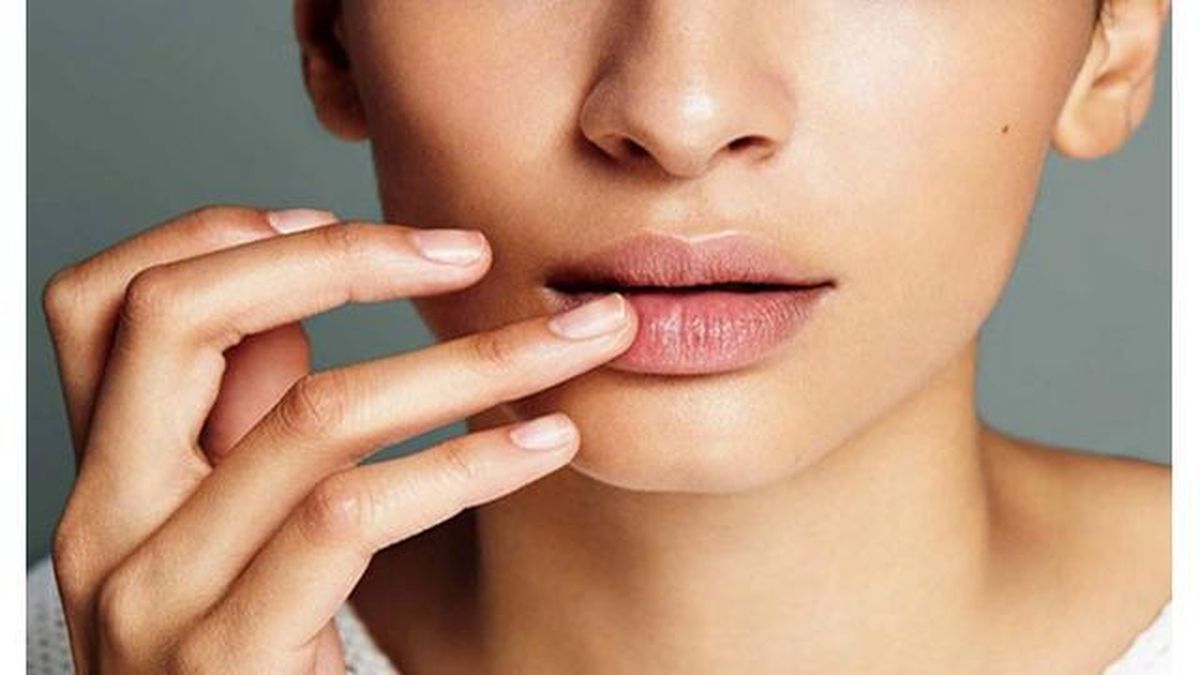
To comprehend why lip products frequently induce dryness, one must first examine the biological composition of the human lips. Unlike the skin on the face or body, the skin of the lips—scientifically known as the vermilion border—is remarkably thin and delicate. It lacks sweat glands and sebaceous (oil) glands, which means the lips cannot produce their own natural sebum barrier to lock in moisture and protect against external elements.
Furthermore, the stratum corneum, the outermost layer of the skin that acts as a protective shield against moisture loss and environmental aggressors, is exceptionally thin on the lips. Consequently, moisture evaporates from the lips at a significantly faster rate than from other areas of the body. This structural vulnerability makes the lips exceptionally reactive to harsh weather, chemical irritants, and drying cosmetic formulations. As the beauty market continues to innovate with high-performance, long-lasting color technologies, the strain placed on this fragile barrier has escalated significantly, leading to an uptick in chronic lip dryness and contact cheilitz among frequent makeup users.
The Evolution of Lip Cosmetics and Formulation Chemistry
Over the past twenty years, consumer preferences have shifted dramatically regarding lip makeup. The era of the simple, creamy, transfer-prone lipstick has largely been overshadowed by demands for longevity. Modern consumers desire cosmetics that survive morning coffee, afternoon meals, and long workdays without requiring constant reapplication. This demand birthed categories like matte liquid lipsticks, alcohol-based lip stains, and film-forming vinyl glosses.
However, achieving all-day wear requires specific chemical engineering that often compromises skin hydration. According to cosmetic chemists, the trade-off for longevity is almost always moisture. Formulations designed to grip the lips and resist smudging rely heavily on volatile solvents, drying alcohols, high concentrations of mineral waxes, and film-forming polymers. When these products dry down on the lips, they create a rigid matrix that traps color but strips the skin of its minimal natural moisture reserves.
Dermatological Breakdown: Why Lip Products Cause Dryness
Industry experts and dermatological studies point to several primary culprits within cosmetic formulations that lead to parched and peeling lips. A closer examination of these factors reveals the complex mechanisms at play beneath the surface of trendy lip products.
- The Wax-to-Oil Ratio in Matte and Stain Formulations
Not all lip cosmetics are created equal, and their underlying chemistry dictates their interaction with the skin barrier. Products such as traditional matte lipsticks and modern lip stains contain a high proportion of heavy waxes and low levels of nourishing oils. Waxes are necessary to provide structure, opacity, and staying power to the product. However, as these waxes settle onto the lips, they form a dense, occlusive layer that inhibits the skin’s natural ability to breathe and interact with ambient humidity.
Furthermore, many long-wear liquid lipsticks utilize volatile silicones and evaporating solvents to deliver a liquid formula that transforms into a completely dry, transfer-proof finish within seconds. As these solvents evaporate into the air, they pull residual moisture directly out of the superficial layers of the lip skin. Over hours of wear, this continuous moisture extraction leads to micro-fissures, flaking, and the classic tight sensation associated with matte formulas.
- The Humectant Paradox: Hyaluronic Acid in Lip Care
In recent years, skincare ingredients have successfully crossed over into the cosmetic realm, with humectants like hyaluronic acid and glycerin frequently marketed as star ingredients in lip glosses, balms, and plumping treatments. While hyaluronic acid is celebrated for its unmatched ability to hold up to 1,000 times its weight in water, its mechanism of action can backfire depending on environmental conditions.
Humectants function by drawing moisture from their surroundings. When applied in a humid environment, they pull moisture from the air into the skin. However, in dry indoor environments, air-conditioned offices, or arid climates where ambient humidity is low, humectants cannot find moisture in the air. Instead, they pull hydration from the deeper layers of the skin, drawing water upward and accelerating its evaporation from the skin’s surface. When used in high concentrations without an accompanying seal, hyaluronic acid can paradoxically dehydrate the lips over prolonged periods.
- Systemic Dehydration and External Lifestyle Factors
While topical products play a significant role in lip health, systemic factors cannot be ignored. The delicate skin of the lips serves as an early warning system for internal dehydration. Because the stratum corneum on the lips is so thin, a minor drop in total body water content immediately manifests as dry, tight, or cracking lips.
Medical professionals emphasize that modern lifestyles—characterized by high caffeine consumption, indoor climate control, air travel, and insufficient daily water intake—frequently push individuals into mild, chronic dehydration. When the body is dehydrated, it conserves water by restricting blood flow to non-essential peripheral tissues, including the skin and lips. Coupled with the application of drying cosmetic formulas, this internal deficit creates a compounding effect that makes healthy lip maintenance exceptionally difficult.
Expert Insights and Dermatological Recommendations
Leading dermatologists and clinical skin researchers stress that consumers do not necessarily need to abandon their favorite long-wear lip products, but rather adopt a proactive, protective prep-and-repair regimen. Dr. Aristha Pramadita, a prominent clinical dermatologist specializing in contact dermatitis and skin barrier health, notes that preventative care is the cornerstone of lip longevity.
"The skin on our lips requires the exact same strategic layering that we apply to our facial skincare routine," Dr. Pramadita explains. "If we are going to apply a high-alcohol lip stain or a ultra-matte liquid lipstick that strips moisture, we must first reinforce the skin barrier with humectants, followed immediately by an occlusive agent to lock that hydration in place."
According to dermatological guidelines, an optimal lip-prep routine involves the following steps:
- Gentle Exfoliation: Periodically removing dead, flakey skin cells using a soft washcloth or a gentle sugar-based scrub, ensuring not to over-exfoliate and cause micro-tears.
- Strategic Hydration Layering: Applying a lightweight, hydrating serum or a humectant-based essence to clean lips to infuse initial moisture.
- Oclusive Sealing: Applying a thick layer of a petroleum-based or plant-butter-based occlusive balm (such as petroleum jelly, shea butter, or ceramides) to create a physical barrier that prevents moisture escape. This step is crucial if the chosen skincare product contains humectants like hyaluronic acid.
- Allowing Absorption Time: Giving the preparatory balm at least five to ten minutes to penetrate and seal the lips before wiping away excess residue and applying color cosmetics.
Broader Implications for the Beauty Industry
As consumer awareness regarding skin barrier health grows, the cosmetic industry is undergoing a subtle yet significant shift. Clean beauty movements and dermatological advocacy are forcing brands to reformulate classic products. Consumers are increasingly scrutinizing ingredient decks, moving away from heavily fragranced, alcohol-laden formulas in favor of hybrid products that combine high-pigment color payoff with active skincare benefits, such as ceramides, peptides, and squalane.
The rising popularity of lip oils and tinted peptide treatments reflects this market evolution. These products successfully bridge the gap between aesthetics and dermatology, offering high-shine and rich color without sacrificing the structural integrity of the lip barrier. Furthermore, beauty educators and influencers are placing greater emphasis on nighttime lip recovery routines—often referred to in the industry as "lip slugging"—where intensive occlusive masks are applied overnight to reverse the drying effects of daytime makeup wear.
Conclusion: Balancing Aesthetics and Skin Health
Ultimately, achieving a flawless, plump, and vibrant lip look does not require sacrificing lip comfort or health. The key lies in understanding the physiological limitations of the vermilion border and recognizing how specific cosmetic formulations interact with skin chemistry. By acknowledging that matte formulas and humectants require careful balancing with protective occlusives, and by maintaining adequate internal hydration through consistent water intake, consumers can enjoy the best of both worlds: long-lasting, beautiful lip color and a resilient, healthy, moisture-rich skin barrier.