Can BPJS Health Be Used Twice in a Single Day? Understanding Regulations, Procedures, and Emergency Protocols

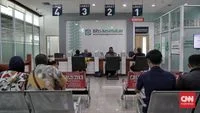
The national health insurance landscape in Indonesia, spearheaded by the Social Security Administering Body for Health (BPJS Kesehatan), continues to serve as the cornerstone of universal healthcare coverage for millions of citizens. As enrollment numbers scale upward—surpassing over 265 million participants nationwide—questions frequently arise regarding the operational boundaries, administrative flexibility, and medical regulations governing day-to-day access. Among the most common inquiries from participants navigating the system is whether the BPJS Kesehatan card can be utilized multiple times within a single calendar day.
Administratively and medically, participants are often left wondering if returning to a healthcare facility for a secondary consultation, an unexpected symptom flare-up, or a follow-up prescription adjustment on the same day is permissible under the existing framework. According to regulatory guidelines and healthcare administration standards, BPJS Kesehatan can indeed be utilized more than once in a single day, provided that specific medical indications are met, procedural pathways are respected, and the administrative requirements set forth by the healthcare facilities are properly fulfilled.
Understanding the nuances of multi-visit days requires a comprehensive look at the foundational principles of the national health insurance scheme, the tiered referral system, emergency protocols, and the practical implications for patients seeking timely medical attention.
Foundational Principles of BPJS Kesehatan and Same-Day Utilization
At its core, the national health insurance program does not enforce an arbitrary blanket prohibition against visiting a healthcare facility or receiving medical services twice in one day. The operational philosophy of BPJS Kesehatan prioritizes patient medical need and clinical necessity over rigid, restrictive visit caps. If a participant visits a Puskesmas (Public Health Center) or a primary clinic in the morning for a routine check-up, but later experiences an unforeseen shift in symptoms or requires additional medical evaluation on the same calendar day, the system accommodates such scenarios under specific conditions.
However, the primary determinant for whether the subsequent visit is covered by the health insurance scheme lies in clinical justification and administrative compliance. Medical professionals at the facility must determine that a secondary evaluation is clinically necessary. Furthermore, the administrative framework of the facility must record the visits in accordance with the computerized reporting systems mandated by BPJS Kesehatan.
It is vital to distinguish between administrative flexibility and regulatory shortcuts. Utilizing BPJS Kesehatan twice in one day does not mean a participant can bypass established referral protocols or visit arbitrary higher-tier hospitals without proper authorization. For non-emergency care, standard operating procedures remain strictly enforced, ensuring that resources are allocated efficiently across the tiered healthcare network.
The Tiered Referral System: The Backbone of Primary and Advanced Care
To fully grasp how and when BPJS Kesehatan services can be accessed—including multiple times in a single day—participants must understand the foundational structure of the Indonesian healthcare delivery system. The program operates on a managed care model built around a tiered referral system, designed to ensure that minor ailments are treated efficiently at the primary level, while complex conditions are managed by specialists in advanced facilities.
1. Initial Contact at the First-Level Health Facility (FKTP)
The journey within the BPJS Kesehatan ecosystem almost invariably begins at the Fasilitas Kesehatan Tingkat Pertama (FKTP). These primary facilities include community health centers (Puskesmas), government-certified primary clinics, individual general practitioner practices, and Type D general hospitals or primary-level dental clinics registered under the participant’s profile. When a participant falls ill or requires a routine consultation, they must first present themselves to their designated FKTP.
At this stage, general practitioners conduct preliminary examinations, provide necessary medications, and manage outpatient care within the clinical capabilities of the primary facility. If a patient visits an FKTP in the morning and requires a re-evaluation later that same day due to persistent or worsening symptoms, they must report back to the same FKTP—or follow the specific guidance provided by the attending physician—to maintain coverage under the insurance scheme.
2. Clinical Evaluation and Treatment
During the primary consultation, the attending doctor assesses the patient’s vital signs, medical history, and immediate symptoms. The physician determines whether the case can be fully resolved at the primary level or if specialized intervention is warranted. This clinical judgment dictates the immediate trajectory of the patient’s care pathway.
3. Issuance of Referrals to Advanced Facilities (FKRTL)
If a medical condition exceeds the diagnostic or therapeutic capabilities of the FKTP, the attending physician issues an official electronic referral to a Fasilitas Kesehatan Rujukan Tingkat Lanjutan (FKRTL). These advanced facilities typically include secondary and tertiary general hospitals equipped with specialized medical departments, intensive care units, and advanced diagnostic machinery.
Crucially, patients cannot simply walk into an advanced hospital and demand specialist care using BPJS Kesehatan without this formal referral, except under strictly defined emergency circumstances. If a patient requires multiple visits in a single day involving a transition from primary care to a referred hospital, the referral document must be active, valid, and properly processed through the V-Claim system utilized by hospital administration.
4. Execution of Follow-Up Care and Treatment
Once the patient arrives at the referred hospital armed with the appropriate documentation, specialists execute further diagnostic testing, surgical procedures, or long-term management plans. If a patient is discharged from a hospital outpatient department and experiences an immediate complication that requires them to return to the facility on the same day, hospital administrative protocols and clinical guidelines dictate the re-admission or secondary evaluation process.
Emergency Protocols: Bypassing Standard Restrictions in Critical Situations
While the tiered referral system governs routine and non-urgent outpatient care, a completely different set of protocols applies during medical emergencies. Recognizing that critical health events require immediate, unhindered intervention, BPJS Kesehatan enforces a strict emergency exemption policy.
In genuine medical emergencies, participants are not required to visit an FKTP first, nor do they need to secure a formal referral before seeking care. Participants can proceed directly to the Instalasi Gawat Darurat (IGD)—Emergency Department—of any hospital partnered with BPJS Kesehatan, regardless of whether that hospital is officially linked to the participant’s primary registration profile.
Defining Medical Emergencies Under BPJS Regulations
A common misconception among participants is that any sudden onset of symptoms or unexpected health scare automatically qualifies as a medical emergency. However, the determination of an emergency is strictly clinical rather than subjective. BPJS Kesehatan, in coordination with the Indonesian Medical Association (IDI) and hospital triage standards, relies on standardized medical criteria to define emergency cases.
Qualifying emergency conditions typically include, but are not limited to:
- Severe respiratory distress, acute shortness of breath, or choking incidents that compromise oxygen intake.
- Sudden loss of consciousness, fainting spells, comatose states, or acute neurological deficits suggestive of stroke.
- Severe chest pain indicative of acute myocardial infarction (heart attack) or other acute cardiovascular crises.
- Major physical trauma, severe hemorrhaging, deep lacerations, or multi-organ injuries resulting from accidents.
- Acute poisoning, severe allergic reactions (anaphylactic shock), or sudden high-fever convulsions in pediatric patients.
- Acute abdominal pain that suggests surgical emergencies such as acute appendicitis or ruptured internal organs.
If a patient presents with such symptoms, hospital emergency departments are obligated to provide immediate stabilization and treatment. If a patient treated in an emergency setting is discharged and subsequently suffers a relapse or an urgent medical complication later that same day, returning to the IGD is fully covered under emergency care provisions, provided the clinical urgency is re-established by the attending triage physician.
Background Context and Evolution of BPJS Kesehatan Accessibility
To appreciate the current operational flexibility of BPJS Kesehatan, it is essential to examine the historical trajectory of Indonesia’s national health insurance program. Established under Law Number 24 of 2011 on the Social Security Administering Body, BPJS Kesehatan officially commenced operations on January 1, 2014. It amalgamated several pre-existing social security schemes, including Askes (for civil servants) and Jamsostek (for private sector workers), alongside subsidized healthcare programs for the impoverished (PBI).
Over the past decade, the administration has faced monumental challenges, ranging from structural deficits and long waiting queues at healthcare facilities to administrative bottlenecks in the referral system. In response to public feedback and operational evaluations conducted by the National Council for Social Security (DJSN) and various health policy watchdogs, BPJS Kesehatan has introduced numerous digital transformations.
The rollout of the Mobile JKN application, digital membership cards, fingerprint verification systems, and the integrated V-Claim referral network has significantly streamlined patient processing. These technological upgrades allow healthcare facilities to verify participant eligibility in real-time, cross-referencing visit histories to prevent fraudulent claims while accommodating legitimate multi-visit scenarios. Consequently, when a patient requires medical attention twice in one day, digital tracking systems enable hospitals and clinics to verify past treatments instantly, reducing bureaucratic friction and ensuring seamless continuity of care.
Administrative Best Practices for Multiple Same-Day Visits
For participants who find themselves needing medical services more than once in a single day, adhering to administrative best practices ensures a smooth healthcare experience without unexpected out-of-pocket expenses. Health administrators and patient advocacy groups recommend several key steps:
- Direct Communication with Healthcare Providers: Always inform the attending doctor or administrative staff at the clinic or hospital if you have already received medical treatment earlier in the day at another facility or the same location. Transparency ensures that clinical records are accurately updated and prevents conflicting treatments or duplicate medication prescriptions that could harm the patient.
- Retaining All Documentation: Keep physical or digital copies of registration slips, prescription sheets, diagnostic results, and referral letters from the first visit. Having these documents readily available facilitates rapid administrative processing for the secondary visit.
- Verifying Facility Operating Hours and Capacity: Primary healthcare facilities (FKTP) operate under specific daily schedules. Participants seeking secondary evaluations later in the day should confirm whether their Puskesmas or primary clinic is still open for extended hours or if the case requires redirection to an emergency unit.
- Utilizing Digital Channels for Inquiries: Participants uncertain about the administrative feasibility of a specific medical visit can utilize official communication channels, such as the BPJS Care Center at 165, the Mobile JKN application chat features, or official social media handles, to seek real-time clarification before traveling to a health facility.
Broader Implications and Future Outlook of Universal Health Coverage
The capacity to access medical services flexibly—including multiple times daily when clinically warranted—reflects the maturation of Indonesia’s universal health coverage framework. As BPJS Kesehatan moves toward higher penetration rates, aiming for absolute population coverage, the system’s resilience is constantly tested by high patient volumes.
Health economists and policy analysts note that while flexibility in service utilization is crucial for patient welfare, it must be balanced against the sustainability of the social security fund. Preventative care, effective primary health management, and public health education play pivotal roles in reducing unnecessary repeat visits and emergency room overcrowding. By strengthening the gatekeeping function of Puskesmas and primary clinics, the healthcare system can better manage patient flow, ensuring that individuals who genuinely require multi-visit interventions or intensive emergency care receive prompt, high-quality treatment.
Ultimately, the rule governing the use of BPJS Kesehatan twice in one day serves as a testament to the patient-centric orientation of the national health scheme. By aligning clinical necessity with administrative oversight, the program continues to safeguard the health and well-being of millions of Indonesians, adapting to complex medical scenarios with regulatory clarity and institutional efficiency.