The Special Region of Yogyakarta continues to solidify its position as one of Indonesia’s premier cultural and natural tourism hubs, with the southern coastline of Bantul Regency emerging as a primary destination for domestic and international travelers alike. Stretching along the dynamic expanse of the Indian Ocean, the coastal region of Bantul offers a striking contrast to the cultural density of Yogyakarta’s urban center. For decades, tourism development in Yogyakarta was largely concentrated around historical landmarks such as the Keraton Yogyakarta, Prambanan Temple, and the bustling commercial artery of Malioboro Street. However, shifting travel trends over the last ten to fifteen years have placed a renewed emphasis on nature-based and coastal tourism, prompting local government bodies and regional tourism boards to heavily invest in infrastructure improvements, accessibility, and environmental conservation along the southern shores.
The transformation of Bantul’s coastline from isolated, rugged fishing communities into structured tourism clusters did not happen overnight. Historically, the southern beaches of Java—collectively associated in local folklore with the realm of Kanjeng Ratu Kidul, the Queen of the Southern Sea—were viewed with a mixture of reverence and caution due to the treacherous undertows and powerful waves characteristic of the Indian Ocean. Swimming is strictly prohibited at many of these locations to this day. Nevertheless, proactive local communities, working in tandem with the Bantul Regency Tourism Office, recognized the economic potential of the area’s unique topography. Throughout the 2000s and 2010s, infrastructure projects such as the Srandakan Bridge and the development of the Daendels Southern Cross Road (Jalan Jalur Lintas Selatan or JJLS) radically reduced travel times from Yogyakarta International Airport and the city center, transforming a grueling, multi-hour journey into a scenic, easily navigable drive.
Local government initiatives have increasingly focused on diversification to maximize the economic impact of tourism while safeguarding fragile coastal ecosystems. According to data from the Bantul Tourism Office, coastal destinations routinely account for a significant percentage of regional tourism revenue, particularly during peak holiday seasons such as Eid al-Fitr, school breaks, and the Christmas and New Year holidays. To accommodate the influx of visitors, regional authorities have implemented zoning strategies, separating commercial culinary zones—such as the famous seafood hubs—from conservation areas dedicated to sea turtle protection and mangrove rehabilitation. This dual approach of economic empowerment and environmental stewardship has allowed Bantul to market itself as a multifaceted destination capable of catering to diverse traveler profiles, ranging from adventure seekers and culinary enthusiasts to families and eco-tourists.
Navigating the seven premier coastal destinations of Bantul requires an understanding of the region’s geographical layout, which is broadly divided into the eastern tourism corridor centered around Parangtritis and the western corridor encompassing Sanden and Srandakan.
1. Pantai Parangtritis: The Crown Jewel of Yogyakarta’s Southern Coast
Pantai Parangtritis stands undisputed as the most iconic coastal landmark in the Special Region of Yogyakarta. Situated within Kapanewon Kretek, approximately 27 kilometers south of Yogyakarta city, Parangtritis commands a sprawling landscape characterized by vast dark-sand shores and the formidable, crashing waves of the Indian Ocean. Historically significant, Parangtritis has long served as a focal point for both modern recreation and traditional Javanese spiritual ceremonies, such as the Labuhan rituals performed by the Yogyakarta Sultanate.
In terms of modern tourism infrastructure, Parangtritis offers the most comprehensive suite of amenities among Bantul’s beaches. Visitors can rent all-terrain vehicles (ATVs) to navigate the expansive shoreline, embark on guided horseback riding excursions along the water’s edge, or observe professional and amateur surfers tackling the challenging ocean breaks. Furthermore, the immediate vicinity houses the renowned Gumuk Pasir Parangtritis—a rare coastal sand dune formation caused by unique wind patterns and volcanic sediment from Mount Merapi, making it a globally significant geological site. Local tourism stakeholders and geopark committees continue to advocate for the strict preservation of these dunes against unauthorized commercial encroachment, ensuring that Parangtritis remains both an adventure playground and a site of scientific importance.
2. Pantai Parangkusumo: Where Myth and Maritime Heritage Intersect
Located mere minutes west of Parangtritis, Pantai Parangkusumo offers a profoundly different atmosphere, blending natural coastal beauty with deep cultural and historical narratives. Parangkusumo is internationally recognized in anthropological circles for its association with Panembahan Senopati, the founder of the Mataram Sultanate, who according to legend met Kanjeng Ratu Kidul at this very site.
The centerpiece of the area is Cepuri Parangkusumo, a sacred site marked by two sacred stones where rituals are regularly conducted. Beyond its spiritual significance, the beach provides a tranquil environment for visitors seeking contemplation away from the high-energy atmosphere of its neighbor, Parangtritis. The juxtaposition of roaring ocean waves against a backdrop of living cultural traditions makes Parangkusumo an invaluable educational destination for travelers interested in the intangible cultural heritage of Central Java.
3. Pantai Depok: The Culinary Capital of Bantul’s Shoreline
For travelers whose itineraries lean heavily toward gastronomy, Pantai Depok serves as an essential stop. Situated adjacent to Parangkusumo, Depok has evolved into the premier seafood hub of the southern coast. The catalyst for this transformation is the local Fish Auction Center (Tumpeng Ikan or TPI Depok), where local fishermen land their daily catches, ranging from red snapper and tuna to squid, prawns, and crabs.
The operational dynamic of Pantai Depok allows visitors to purchase fresh marine products directly from wholesalers and bring them to adjacent, independently operated food stalls where culinary staff prepare the seafood according to preferred styles—grilled, fried, or spiced with traditional Indonesian seasonings. This direct-to-table model has successfully stimulated the local economy, providing a stable livelihood for hundreds of fishermen, culinary workers, and small-business owners. Environmental health and waste management initiatives have also been ramped up by local cooperatives to ensure that the rapid commercial growth of the culinary district does not compromise the cleanliness of the surrounding shoreline.
4. Pantai Samas: Conservation, Lagoons, and Coastal Ecosystems
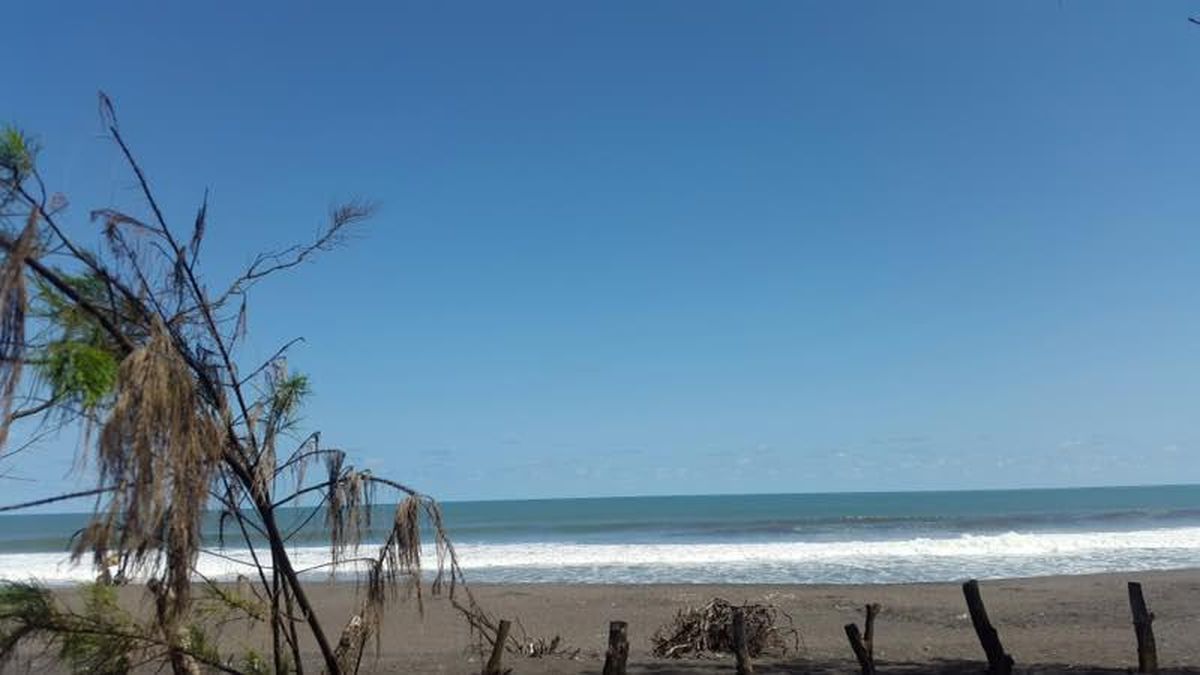
Transitioning westward into Kapanewon Sanden brings visitors to Pantai Samas, located in the village of Srigading. Samas presents a wilder, more rugged coastline compared to Parangtritis, characterized by strong winds, dramatic wave action, and unique ecological features. One of the primary attractions of Samas is the Pengklik Lagoon, where freshwater from the Opak River meets the saltwater of the Indian Ocean, creating a serene body of water utilized for recreational boating and fishing.
Furthermore, Pantai Samas plays a vital role in regional biodiversity preservation. The beach is home to an active sea turtle conservation program, where local conservationists patrol the shores during nesting seasons, relocate vulnerable eggs to hatcheries, and subsequently release hatchlings back into the ocean with the participation of tourists and school groups. This integration of eco-tourism ensures that visitors not only enjoy the stark beauty of the southern horizon but also gain firsthand insight into marine conservation challenges.
5. Pantai Goa Cemara: The Whispering Pine Tunnels
Moving further west along the coastal road brings travelers to Pantai Goa Cemara, situated in the village of Gadingsari, Kapanewon Sanden. Unlike the wide-open, sun-drenched vistas of Parangtritis, Goa Cemara offers a shaded, ethereal microclimate. The beach derives its name—and its primary visual appeal—from dense plantations of Casuarina equisetifolia, commonly known as sea pine or cemara udang, which have grown and interwoven over the years to form natural, cathedral-like green tunnels leading toward the ocean.
The shaded canopy makes Goa Cemara a favored destination for families, campers, and photographers seeking relief from the tropical heat. Local community groups have established organized camping grounds, hammock zones, and shaded picnic areas beneath the pines. Environmental management in Goa Cemara focuses heavily on preventing soil erosion and maintaining the health of the pine forest, which also acts as a natural windbreak against severe ocean gales.
6. Pantai Kuwaru: Family Recreation Amidst Coastal Forestry
Continuing into Kapanewon Srandakan, visitors encounter Pantai Kuwaru, located within the administrative area of Kalurahan Poncosari. Similar to Goa Cemara, Kuwaru is distinguished by its extensive reforestation initiatives utilizing sea pine trees, which were originally planted decades ago to rehabilitate deforested coastal strips and protect agricultural land from sandstorms.
Kuwaru is structured heavily toward family-friendly recreation. The area features spacious parking facilities, children’s play areas, ATV rental tracks woven through the pine groves, and a wide array of local food vendors offering fresh coconut water and regional snacks. The local tourism cooperative places strong emphasis on maintaining cleanliness and ensuring pedestrian safety by separating motorized vehicle zones from pedestrian pathways within the shaded forest areas.
7. Pantai Baru: Renewable Energy and Coastal Innovation
Positioned just a short distance from Kuwaru in Poncosari, Pantai Baru represents a forward-thinking approach to coastal tourism management. In addition to offering the standard seaside amenities—such as seafood stalls, playgrounds, and shaded rest areas—Pantai Baru distinguishes itself through the integration of renewable energy infrastructure.
The area utilizes a localized hybrid energy system combining solar panels and wind turbines to power community facilities, water pumps, and lighting along the coast. This initiative began as a collaborative project between academic institutions, government bodies, and local communities to demonstrate the viability of clean energy in remote coastal regions. Visitors to Pantai Baru can observe these towering wind turbines up close, turning the destination into an educational site for renewable energy advocates, students, and curious tourists alike.
Economic and Environmental Implications of Bantul’s Coastal Tourism Growth
The systematic development of these seven distinct beaches has generated profound socio-economic impacts across Bantul Regency. Regional economic data indicates that tourism-related micro, small, and medium enterprises (MSMEs)—ranging from culinary ventures and souvenir kiosks to parking attendants and homestay operators—employ thousands of residents, effectively reducing regional unemployment rates and mitigating rural-to-urban migration. The diversification of attractions ensures that spending is distributed across multiple sub-districts rather than concentrating solely in high-traffic commercial nodes like Parangtritis.
However, this rapid growth brings significant management challenges. Regional planners and environmental scientists emphasize the necessity of strict coastal zoning regulations to protect fragile ecosystems from overdevelopment and the adverse effects of climate change, such as rising sea levels and intensified coastal erosion. Waste management remains an ongoing priority, with local authorities partnering with village-owned enterprises (BUMDes) to enhance recycling programs and beach cleanup operations.
Ultimately, exploring the diverse coastal landscape of Bantul offers travelers a holistic perspective on modern Javanese tourism. Whether one seeks the thundering majesty and cultural resonance of Parangtritis, the ecological lessons of Samas and Goa Cemara, the culinary delights of Depok, or the innovative green technology of Pantai Baru, Bantul’s southern coast delivers a deeply rewarding itinerary. By balancing economic viability with environmental and cultural preservation, the region ensures its status as a sustainable, premier destination for generations to come.