Seamless Tax Integration in Indonesia: Comprehensive Guide to Checking Your NPWP Using Your 16-Digit NIK via Coretax, M-Pajak, and e-Registration

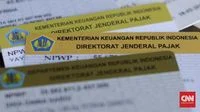
Jakarta, CNN Indonesia — Checking your Tax Identification Number (Nomor Pokok Wajib Pajak or NPWP) has transitioned into a streamlined digital process for Indonesian citizens, requiring only the 16-digit Population Identification Number (Nomor Induk Kependudukan or NIK) embedded in official identity documents. Following the sweeping administrative reform that integrates the NIK as the official NPWP for individual resident taxpayers, citizens no longer need to memorize or carry a separate physical tax card. Instead, their fundamental civil registration number now serves a dual purpose, bridging national demographic data with the taxation database managed by the Directorate General of Taxes (Direktorat Jenderal Pajak or DJP) under the Ministry of Finance.
This systemic unification is designed to simplify tax administration, enhance state revenue collection efficiency, and create a single, reliable identity anchor for all public and financial services in Indonesia. Consequently, performing a routine check on your NPWP status has become an essential administrative task for employed individuals, business owners, and freelance workers alike. Ensuring that your data is properly registered and synchronized prevents future administrative hurdles, such as discrepancies in financial reporting, banking transactions, or employment verifications. Below is the comprehensive, step-by-step procedure to verify your tax status using the official, state-sanctioned digital channels provided by the Indonesian government.
- Verifying Tax Identity Through the Coretax DJP Portal
The Coretax DJP portal represents the pinnacle of Indonesia’s modern tax administration overhaul. Serving as the core administrative engine for the Directorate General of Taxes, this centralized platform consolidates various tax services into a single, unified ecosystem. For individual taxpayers, the portal provides instant access to verify identification numbers, review historical tax compliance, and monitor administrative statuses.
To initiate the verification process via Coretax, taxpayers must navigate to the official web address at https://coretaxdjp.pajak.go.id/. Upon reaching the landing page, the user must input their 16-digit NIK directly into the designated user ID field. Following this, the user enters their registered password and completes the security verification captcha code to gain access to their profile dashboard.
For first-time users who have never interacted with the Coretax ecosystem, the portal provides an intuitive initial pathway. Users can select the account activation menu or utilize the password recovery and reset features, guided by on-screen instructions that link back to verified demographic databases. Once successfully logged into the dashboard, taxpayers should locate the "Portal Saya" (My Portal) menu, followed by selecting the "Profil Saya" (My Profile) sub-menu. Within this section, a comprehensive overview of the taxpayer’s profile will emerge, displaying the active status of the NPWP, the assigned taxpayer category, and specific demographic alignments. This method is highly recommended for individuals seeking a complete audit of their contemporary tax standing within the new digital framework.
- Accessing Tax Status via the Official M-Pajak Mobile Application
In recognition of the shifting technological preferences of the Indonesian population toward mobile-first solutions, the Directorate General of Taxes developed and maintains the M-Pajak application. This dedicated mobile software brings essential tax services directly to smartphones, offering portability and ease of use for taxpayers on the move. The application is available for secure download exclusively through official distribution platforms, namely the Google Play Store for Android users and the Apple App Store for iOS device owners.
Once downloaded and installed, users must log in using their pre-registered credentials. Beyond serving as a hub for general tax consultations, receipt validations, and electronic billing generation, M-Pajak integrates seamlessly with the broader Coretax infrastructure. Users can execute the account activation process for Coretax directly through the mobile interface by inputting their NIK or 16-digit NPWP. The application then guides the user through a multi-step identity validation protocol, which cross-references input data with the Ministry of Home Affairs’ population registry.
The DJP continually issues advisory notices urging the public to exercise caution and ensure that they download the application solely from verified digital storefronts. Utilizing unauthorized third-party applications risks exposing sensitive financial and personal data to malicious actors. Comprehensive instructional guides and direct download links are permanently hosted on the official Direktorat Jenderal Pajak website to safeguard users against fraudulent digital platforms.
- Utilizing the e-Registration Laman for Quick Status Confirmation
For taxpayers who prefer a swift, browser-based verification without the immediate necessity of logging into an overarching administrative dashboard, the e-Registration service managed by the DJP offers a specialized alternative. This legacy portal continues to serve as a reliable auxiliary tool for basic demographic and tax status cross-referencing.
The process begins by accessing the dedicated verification page at https://ereg.pajak.go.id/ceknpwp. Upon arrival, the user must designate the appropriate taxpayer category—typically selecting individual taxpayer (wajib pajak orang pribadi) for resident citizens. The system will prompt the user to input both their 16-digit NIK and the serial number of their Family Card (Kartu Keluarga or KK). This dual-input requirement ensures a higher level of data security and confirms familial or residential alignment within the civil registry.
After completing the required fields and solving the visual security captcha challenge, the user clicks the search or verification button. The system then queries the national registry database to display the status of the associated tax record. In instances where the system returns an error, indicates that the data cannot be found, or reveals a lack of integration between the NIK and the tax system, the taxpayer is advised to initiate formal data updating procedures through official channels.
Official Protocol When Tax Data Cannot Be Found or Displays Discrepancies
Encountering technical hurdles or missing records during the NIK-NPWP integration check is a recognized administrative scenario that the Directorate General of Taxes is actively equipped to handle. When an individual’s data fails to register correctly across the digital portals, proactive steps must be taken to rectify the underlying database inconsistency.
Taxpayers facing such obstacles are encouraged to utilize the official contact center, Kring Pajak, by dialing 1500200. This service connects callers directly with trained tax representatives capable of diagnosing system-side errors and providing targeted instructions. Alternatively, taxpayers can engage with the live chat facility hosted directly on the official website at https://www.pajak.go.id/.
For complex discrepancies—such as demographic data mismatches between the Directorate General of Civil Registration and Civil Status (Dukcapil) and the tax database—in-person consultations are often the most effective resolution. Citizens can visit their nearest Tax Service Office (Kantor Pelayanan Pajak or KPP) during official business hours. Visitors must bring their original Resident Identity Card (KTP) and Family Card (KK) to facilitate immediate manual verification and data reconciliation by tax officers.
Broader Implications and Administrative Clarifications Regarding NIK-NPWP Integration
A widespread misconception among the general public is that the mandatory integration of the NIK as an NPWP automatically converts every resident into a taxable entity obligated to pay or regularly report income taxes. Financial analysts and tax authorities have repeatedly clarified that the unification of these identification numbers is purely an administrative alignment rather than a policy expansion of the tax base.
The possession of a valid 16-digit NIK does not inherently trigger tax liabilities for individuals who fall below the non-taxable income threshold (Penghasilan Tidak Kena Pajak or PTKP), such as students, homemakers, or low-income citizens with earnings below the statutory minimum. Instead, the policy streamlines data architecture, allowing the government to map economic activities more accurately, reduce administrative overhead, minimize identity fraud in financial transactions, and improve overall fiscal transparency.
Background Context, Chronology, and Legislative Framework of the Integration Policy
The integration of the NIK into the national tax architecture is rooted in broader legislative reforms initiated under Law Number 7 of 2021 concerning the Harmonization of Tax Regulations (UU HPP). This landmark legislation laid the legal foundation for modernizing Indonesia’s tax administration, signaling a pivot toward integrated government databases.
Chronologically, the government initiated phased trials and systemic preparations throughout 2022 and 2023, enabling millions of citizens to gradually link their demographic data with the tax registry. By mid-2024, the Directorate General of Taxes systematically expanded the full operational capacity of the single identity system, culminating in the rollout of advanced digital frameworks such as the Coretax system. This phased implementation schedule was structured to give both institutional systems and individual taxpayers adequate time to adapt to the technological shifts without causing widespread administrative gridlock.
Economic analysts view this digital convergence as a critical milestone for Indonesia’s macroeconomic development. By lowering compliance barriers and creating transparent digital touchpoints, the government aims to foster voluntary tax compliance while optimizing revenue collection capabilities. As the digital infrastructure matures, the reliance on fragmented identification systems continues to diminish, paving the way for a more integrated, efficient, and user-friendly public service ecosystem across the archipelago.