Jakarta, Indonesia – The Indonesian Ministry of Tourism is poised to leverage a unique calendrical alignment in 2026, when the Lunar New Year celebrations will closely precede the commencement of Ramadan. This confluence of major holidays presents a significant strategic opportunity to stimulate both domestic and international tourist movements, with an anticipated extension in the duration of stays. Minister of Tourism Widiyanti Putri Wardhana has highlighted this period as a prime window for the nation’s tourism sector to capitalize on extended holiday periods.
"The Ministry of Tourism views the momentum of the Lunar New Year holiday coinciding with the beginning of Ramadan as a strategic opportunity for tourist movement," Minister Wardhana stated in an interview with ANTARA in Jakarta on Thursday. "We urge stakeholders in the tourism industry to provide excellent service to tourists enjoying the long holiday (long weekend) of the 2026 Lunar New Year."
The Indonesian government has officially designated Monday, February 16, 2026, as a collective leave day for the Lunar New Year. This date, falling adjacent to the weekend, creates a natural long weekend. The proximity of this extended break to the start of Ramadan, a period of spiritual reflection and fasting for Muslims worldwide, adds a layer of complexity and opportunity to the tourism landscape.
Strategic Planning for a Dual Holiday Season
The Ministry’s proactive approach stems from an understanding of how such overlapping holidays can significantly boost economic activity. By encouraging citizens to explore their own country through the campaign #DiIndonesiaAja (Explore Indonesia Only), the Ministry aims to promote domestic travel while emphasizing the importance of safety, comfort, and the sustainability of tourist destinations. This initiative seeks to not only encourage travel but also to foster responsible tourism practices.
The combination of a national holiday, a collective leave day, and the potential for individuals to utilize their annual leave can create an extended vacation period, a scenario deemed highly beneficial for the national tourism sector. Early mapping of these long weekend opportunities is considered crucial. This allows travelers to plan their journeys well in advance, mitigating the risk of extreme overcrowding at popular destinations on specific dates. Furthermore, it provides tangible benefits for both the workforce and families, allowing for more meaningful travel experiences.
The expectation is that a more evenly distributed flow of tourists across various regions will translate into significant economic stimulus for local economies and a substantial boost for Micro, Small, and Medium Enterprises (MSMEs).
Targeted Marketing and Promotional Strategies
From a marketing perspective, the Ministry of Tourism is focusing on strengthening thematic campaigns that integrate Lunar New Year and Ramadan celebrations. These campaigns are envisioned to be packaged as family travel promotions and special interest tourism, with a particular emphasis on destinations that offer authentic Lunar New Year attractions and those that are identified as Muslim-friendly.
To ensure promotional messages resonate effectively, the Ministry is optimizing data-driven digital marketing. This involves meticulously mapping market interests and travel patterns to deliver targeted promotions. A key aspect of this strategy is encouraging tourists to explore alternative destinations, thereby alleviating pressure on well-established tourist hubs and preventing congestion.
In addition to digital outreach, the Ministry is actively collaborating with industry players, regional governments, and travel platforms. These partnerships are aimed at curating attractive travel packages, organizing thematic events, and developing special promotions for the extended Lunar New Year holiday. These initiatives are designed to be integrated with regional activity calendars, creating a cohesive and engaging travel experience.
Public communication efforts are also being intensified. This includes disseminating information about the readiness of destinations, ensuring a comfortable travel experience for visitors, and highlighting a diverse range of destination options that cater to the evolving needs of tourists, especially during the transitional period leading up to Ramadan.
The overarching goal of these targeted and collaborative marketing strategies is to ensure that the extended Lunar New Year-Ramadan holiday period is optimally utilized. This is expected to lead to an increase in tourist movements, an extended length of stay for visitors, and a more equitable distribution of economic benefits across various regions of Indonesia.
Background and Context
Indonesia, an archipelago nation rich in cultural diversity and natural beauty, has long recognized tourism as a vital pillar of its economy. The country boasts a wide array of attractions, from pristine beaches and lush rainforests to historical sites and vibrant cultural festivals. The government has consistently prioritized the development and promotion of its tourism sector, aiming to position Indonesia as a leading global tourist destination.
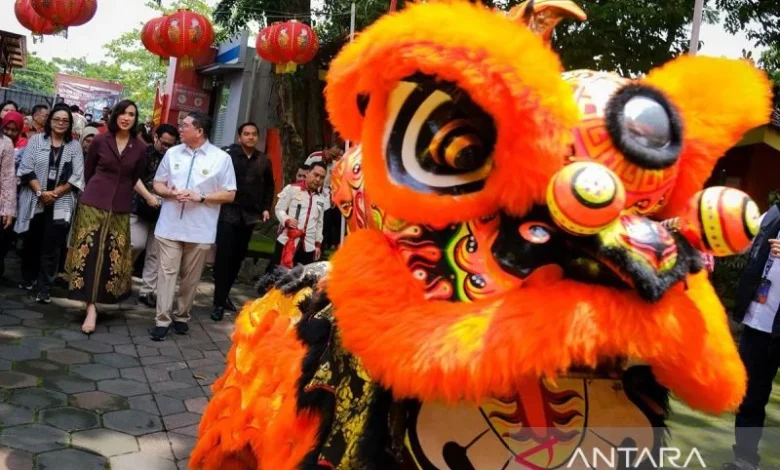
The Lunar New Year, also known as Chinese New Year or Spring Festival, is a significant cultural celebration observed by ethnic Chinese communities in Indonesia and across the globe. It is a time for family reunions, traditional customs, and vibrant festivities. In Indonesia, these celebrations often involve vibrant dragon dances, lantern displays, and special culinary traditions.
Ramadan, the ninth month of the Islamic lunar calendar, is a period of fasting, prayer, reflection, and community for Muslims. It is characterized by abstaining from food and drink from dawn until sunset, increased devotion, and acts of charity. For many Muslim travelers, Ramadan presents a unique spiritual experience, often involving travel to significant religious sites or to be with family.
The convergence of these two significant periods in 2026 creates a unique scenario. While Lunar New Year is a period of celebration and often travel, the immediate proximity to Ramadan means that many of the tourists who partake in the Lunar New Year festivities may also be observing or preparing for Ramadan. This necessitates a nuanced approach to tourism planning and marketing.
Supporting Data and Economic Implications
While specific data for the 2026 holiday period is not yet available, historical trends provide valuable insights. For instance, the Indonesian Ministry of Tourism reported that in the pre-pandemic year of 2019, domestic tourist movements reached approximately 280 million trips. International tourist arrivals stood at around 16.1 million. These figures underscore the immense potential of the domestic tourism market, which often constitutes the larger portion of tourist numbers.
The extended long weekends, like the one anticipated in February 2026, have historically demonstrated a positive impact on tourism revenue. During the 2019 Christmas and New Year holidays, for example, the Ministry of Tourism estimated a significant surge in tourist spending. Similarly, the Eid al-Fitr holiday period, which marks the end of Ramadan, is consistently one of the peak travel seasons in Indonesia, with millions of people traveling across the country for mudik (homecoming).
The economic implications of increased tourist movements are far-reaching. Beyond direct spending on accommodation, food, and transportation, tourism generates employment opportunities in various sectors, including hospitality, retail, and entertainment. It also stimulates local economies by increasing demand for local products and services, thereby supporting MSMEs.
The projected longer lengths of stay during the 2026 Lunar New Year-Ramadan period are particularly significant. Tourists who stay longer tend to spend more money, contributing more substantially to local economies. This can help to foster more sustainable tourism development, as businesses have more time to recoup their investments and local communities benefit from a more consistent influx of visitors.
Reactions from Related Parties (Inferred)
While direct quotes from industry stakeholders are not provided in the source material, it is logical to infer a generally positive reception to the Ministry’s strategic planning.
-
Hotel and Accommodation Providers: Businesses in the hospitality sector would likely welcome the prospect of increased bookings and longer stays. They would be keen to align their services with the Ministry’s campaign, potentially offering special packages that cater to both Lunar New Year festivities and the needs of travelers during the pre-Ramadan period. Ensuring adequate staffing and amenities to manage the influx of guests would be a priority.
-
Tour Operators and Travel Agencies: These entities would see the coinciding holidays as a prime opportunity to develop and market new tour packages. Their focus would be on creating itineraries that capture the essence of Lunar New Year celebrations while also being mindful of the upcoming Ramadan observance, perhaps offering packages that include visits to cultural sites and culinary experiences.
-
Local Governments and Regional Tourism Boards: Regional authorities would likely be actively involved in preparing their destinations. This could involve enhancing infrastructure, organizing local events, and ensuring the safety and security of tourists. They would also be working closely with the Ministry of Tourism to align their promotional efforts.
-
MSME Owners: Small business owners, such as handicraft vendors, local eateries, and transportation providers, would anticipate a significant boost in their sales and revenue. They would likely be preparing to meet the increased demand and showcasing their unique local offerings to tourists.
Broader Impact and Implications
The strategic planning by the Ministry of Tourism for the 2026 Lunar New Year-Ramadan overlap extends beyond immediate economic gains. It reflects a maturing approach to tourism management in Indonesia, one that recognizes the interconnectedness of cultural events, religious observances, and economic development.
The emphasis on sustainable tourism and responsible travel, as highlighted by the #DiIndonesiaAja campaign, is crucial for the long-term health of Indonesia’s tourism sector. By promoting responsible practices, the Ministry aims to preserve the natural and cultural heritage of the country for future generations.
Furthermore, the focus on diversifying tourist destinations and encouraging travel to alternative locations is a smart strategy to mitigate over-tourism in popular spots. This not only enhances the visitor experience by reducing crowds but also spreads the economic benefits of tourism more evenly across the archipelago, supporting regions that may not be as well-known but possess unique attractions.
The integration of digital marketing and data analysis signifies a modern approach to promotion. By understanding traveler behavior and preferences, the Ministry can ensure that its marketing efforts are efficient and effective, reaching the right audiences with the right messages.
The coinciding of Lunar New Year and Ramadan in 2026 presents a complex but ultimately opportune moment for Indonesia’s tourism industry. Through strategic planning, targeted marketing, and collaborative efforts, the nation is well-positioned to capitalize on this unique period, driving economic growth, fostering cultural understanding, and showcasing the diverse beauty of Indonesia to both domestic and international visitors. The success of these initiatives will hinge on the effective execution of the Ministry’s plans and the enthusiastic participation of industry stakeholders and local communities.
Related posts: