Isuzu Motors and Toyota Motor Collaborate on Hydrogen Fuel Cell Light-Duty Trucks Amidst Infrastructure Challenges

Jakarta, CNN Indonesia — Isuzu Motors is reportedly planning a strategic collaboration with Toyota Motor Corporation to develop hydrogen fuel cell technology for light-duty trucks, specifically based on Isuzu’s popular Elf model. This significant shift in development focus towards smaller vehicles is a direct response to the prevailing challenges in Japan’s hydrogen refueling infrastructure, which remains limited in both availability and operational hours.
The partnership aims to leverage Isuzu’s expertise in commercial vehicle manufacturing and Toyota’s pioneering work in hydrogen fuel cell systems. This move signifies a pragmatic approach to advancing green transportation solutions, acknowledging the real-world constraints that could hinder the widespread adoption of larger, heavier fuel cell vehicles.
The Hydrogen Infrastructure Dilemma in Japan
The viability of hydrogen fuel cell vehicles (FCVs) is intrinsically linked to the accessibility of hydrogen refueling stations. According to data from the Next Generation Vehicle Promotion Center, a non-profit organization dedicated to promoting renewable vehicles in Japan, the nation had only 148 hydrogen refueling stations as of November 2023. This number, while growing, is considerably small when compared to the vast network of gasoline stations or the rapidly expanding charging infrastructure for battery electric vehicles (BEVs).
Compounding this issue is the limited operational scope of many existing stations. A significant portion of these stations do not operate 24 hours a day, presenting a critical bottleneck for commercial logistics operations that often require round-the-clock transport. For companies relying on their fleets to move goods continuously, the prospect of extended downtime due to refueling limitations is a major deterrent.
Strategic Pivot from Heavy-Duty to Light-Duty
This infrastructure constraint has already influenced Isuzu’s strategic planning. Previously, the company had announced plans to launch a heavy-duty fuel cell truck, developed in conjunction with Honda Motor, with an anticipated release date in 2027. However, this project has reportedly been postponed, with the limited availability of hydrogen refueling stations cited as a primary reason. The specialized nature and higher demand for refueling by heavy-duty trucks would have necessitated a more robust and widespread refueling network, which is not yet in place.
The decision to pivot towards light-duty trucks represents a calculated adjustment. Light-duty commercial vehicles, often operating within urban or regional networks, have a more manageable refueling requirement. Isuzu’s strategy is to develop fuel cell light-duty trucks that can utilize the majority of the existing public refueling facilities in urban areas. This contrasts sharply with heavy-duty trucks, which would likely be restricted to a limited number of specialized stations, estimated to be around 20 in Japan currently.
Partnership with Toyota: Leveraging Synergies
The collaboration with Toyota Motor Corporation is a crucial element of this new strategy. Toyota has been at the forefront of hydrogen fuel cell technology for over two decades, with its Mirai sedan being a notable example of passenger FCVs. This extensive experience positions Toyota as an ideal partner to supply advanced fuel cell systems for Isuzu’s commercial vehicles.
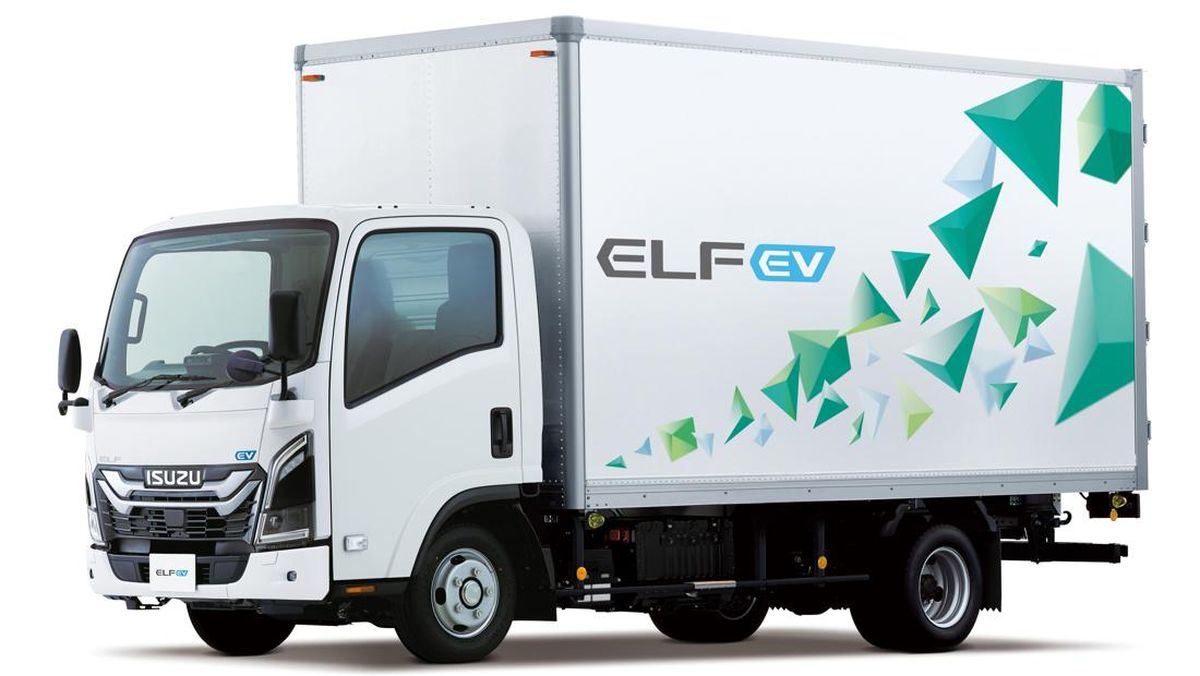
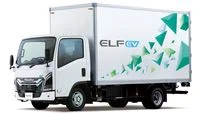
The targeted production of these light-duty fuel cell trucks is slated for the fiscal year 2027. While the exact specifications are still emerging, it is understood that these vehicles will be based on the platform of Isuzu’s existing light-duty Elf electric truck, indicating a modular approach to electrification and alternative powertrains. The integration of Toyota’s latest fuel cell technology is expected to optimize performance, efficiency, and range for these commercial applications.
Advantages of Hydrogen Fuel Cell Technology
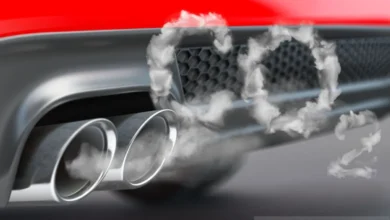
Hydrogen fuel cell technology offers distinct advantages that make it an attractive proposition for the future of transportation, particularly for commercial fleets. Unlike internal combustion engines that emit greenhouse gases, FCVs produce only water vapor as a byproduct, making them a zero-emission solution at the point of use. This aligns with global efforts to decarbonize the transportation sector and combat climate change.
Furthermore, the refueling process for hydrogen is significantly faster than recharging battery electric vehicles. A hydrogen refuel can take as little as three to five minutes, comparable to filling a gasoline tank. This rapid refueling capability is a critical factor for commercial vehicles that need to minimize downtime and maximize operational efficiency.
Broader Implications for the Commercial Vehicle Industry and Sustainability Goals
The Isuzu-Toyota collaboration has several significant implications for the commercial vehicle industry and Japan’s broader sustainability objectives.
- Accelerating Green Logistics: By focusing on light-duty FCVs, Isuzu and Toyota are actively contributing to the decarbonization of the logistics sector, which plays a vital role in the Japanese economy. This move could encourage other manufacturers and fleet operators to explore similar pathways for reducing their carbon footprint.
- Stimulating Infrastructure Development: While the current infrastructure is a challenge, the development of more FCVs, particularly those from major manufacturers, can act as a catalyst for further investment in hydrogen refueling stations. As demand increases and the technology matures, governments and private entities may be more inclined to expand the network.
- Technological Advancement and Competition: This partnership signals a dynamic landscape in alternative powertrain development. It highlights the ongoing competition and collaboration among automotive giants to secure leadership in the future of sustainable mobility. Toyota’s established fuel cell expertise combined with Isuzu’s commercial vehicle prowess creates a formidable force.
- Diversification of Energy Sources: Hydrogen represents a diversification of energy sources for transportation beyond traditional fossil fuels and electricity. This is crucial for energy security and resilience, especially in a country like Japan that relies heavily on energy imports.
- Potential for Global Impact: While this initiative is currently focused on the Japanese market, the technologies and lessons learned from this collaboration could have significant implications for the global commercial vehicle market. As other regions also grapple with emissions targets and infrastructure development, the success of this project could pave the way for similar initiatives worldwide.
Challenges and Future Outlook
Despite the promising aspects of this collaboration, several challenges remain. The cost of hydrogen fuel cell technology, while decreasing, is still a significant factor influencing adoption rates. The production of green hydrogen, derived from renewable energy sources, is also crucial to ensure the overall sustainability of the hydrogen fuel cycle. Ensuring a reliable and affordable supply chain for hydrogen will be paramount.
The timeline for fiscal year 2027 for mass production indicates a strategic, long-term vision. This allows ample time for further technological refinement, scaling up production capabilities, and, crucially, for the hydrogen infrastructure to mature alongside the vehicle deployment. The success of this venture will likely depend on the synergy between technological innovation, supportive government policies, and the willingness of businesses to invest in this emerging green transportation solution.
The strategic decision by Isuzu Motors to collaborate with Toyota on hydrogen fuel cell light-duty trucks underscores a pragmatic and forward-thinking approach to sustainable transportation. By adapting to existing infrastructure limitations while pursuing advanced clean energy solutions, this partnership has the potential to significantly shape the future of commercial mobility in Japan and beyond.