Indonesia is once again at the forefront of renewable energy innovation, having introduced a groundbreaking new alternative fuel named Bobibos. This environmentally friendly biofuel, developed from agricultural waste, represents a significant step forward in the nation’s pursuit of energy independence and sustainability. The introduction of Bobibos signifies Indonesia’s commitment to leveraging its abundant natural resources to create advanced, eco-conscious energy solutions.
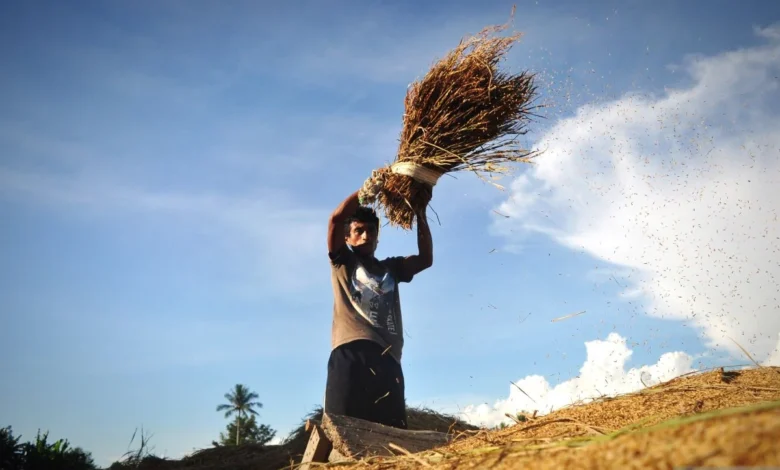
The innovative biofuel, Bobibos, was officially presented on Sunday, November 2nd, in Jonggol, Bogor Regency, West Java. Developed by PT Inti Sinergi Formula, Bobibos is a testament to Indonesian ingenuity, transforming agricultural residues, specifically rice straw, into a high-performance fuel. Historically, rice straw has often been burned post-harvest, contributing to air pollution. Bobibos offers a sustainable alternative, repurposing this abundant waste material into a valuable energy source.
The name "Bobibos" is an acronym for "Bahan Bakar Original Buatan Indonesia Bos," which translates to "Original Fuel Made in Indonesia, Boss." This product falls under the category of Biofuel (Bahan Bakar Nabati – BBN) and is the result of extensive research and development led by M. Ikhlas Thamrin and his dedicated research team. The development process is described as a sophisticated bio-energetic transformation, enhanced by the infusion of a proprietary "special serum." This unique method converts rice straw into a high-performance fuel that is claimed to be comparable to gasoline with a Research Octane Number (RON) of 98, a benchmark typically associated with premium fuels.
Crucially, Bobibos is touted for its environmental benefits. The biofuel is engineered to significantly reduce exhaust emissions, bringing them "close to zero," thereby offering a substantially cleaner alternative to conventional fossil fuels. This characteristic aligns with global efforts to mitigate climate change and improve air quality, particularly in densely populated urban areas. The implications of such a low-emission fuel are far-reaching, promising a healthier environment and a reduced carbon footprint for the transportation and industrial sectors.
The Genesis of Bobibos: A Decade of Dedication
The impetus behind the development of Bobibos stems from Indonesia’s long-standing objective to decrease its reliance on imported energy sources. For over a decade, M. Ikhlas Thamrin has been engaged in independent research, driven by a vision to discover indigenous energy alternatives. His commitment to harnessing local resources reflects a broader national strategy to bolster energy security and economic resilience.
The selection of rice straw as the primary feedstock for Bobibos was a strategic decision. Indonesia is a major rice-producing nation, resulting in an abundant and readily available supply of rice straw annually. The efficiency of its production and collection further enhances its viability as a sustainable resource. By utilizing locally sourced materials, the production costs of Bobibos are significantly reduced, allowing for a more competitive pricing strategy compared to conventional fuels. This economic advantage is critical for widespread adoption and market penetration.
Economic Empowerment and Agricultural Transformation
Beyond its contribution to the energy sector, the utilization of rice straw for Bobibos production offers substantial economic benefits to Indonesian farmers. What was once considered low-value waste, often disposed of through burning, is now transformed into a product with significant market value. This creates a new revenue stream for farmers, augmenting their income and improving their livelihoods. This model fosters a circular economy within the agricultural sector, where by-products are valorized, leading to greater economic efficiency and sustainability.
The economic implications extend to the potential for job creation in the collection, processing, and distribution of Bobibos. As the production scales up, it is likely to spur growth in ancillary industries, further stimulating the national economy. This integrated approach to resource management and energy production exemplifies a holistic vision for national development.
Versatile Applications and Performance Prowess
Bobibos is being introduced in two primary variants: gasoline and diesel. This dual offering ensures its applicability across a wide spectrum of vehicles and machinery. From motorcycles and passenger cars to agricultural equipment like tractors, fishing vessels, and even industrial machinery, Bobibos is designed to be a versatile fuel solution. This broad applicability is key to its potential for rapid and widespread adoption throughout Indonesia’s diverse economy.
While the specific technical details of the "special serum" remain proprietary, the claimed performance metrics are impressive. The equivalence to RON 98 gasoline suggests that Bobibos can offer enhanced engine performance, potentially leading to better fuel efficiency and smoother operation. The low-emission characteristic, as previously mentioned, is a paramount advantage, addressing critical environmental concerns associated with fossil fuels.
Endorsements and Early Adopter Interest
The introduction of Bobibos has garnered significant attention and support from various stakeholders. Governor of West Java, Dedi Mulyadi, personally conducted a field test of Bobibos using a diesel tractor at Lembur Pakuan. His observations highlighted optimal engine performance, with claims of lighter operation and cleaner exhaust fumes. Such endorsements from prominent regional leaders lend credibility and momentum to the biofuel’s development and potential deployment.
The enthusiasm for Bobibos extends to the private sector as well. H. Amir Mahpud, owner of PT Primajasa, a major bus operator in the Jabodetabek and West Java regions, has expressed his readiness to collaborate and utilize Bobibos as fuel for his extensive fleet. This commitment from a significant transportation company is a powerful indicator of market acceptance and a crucial step towards scaling up the use of Bobibos nationally. Such partnerships are vital for demonstrating the practical viability and economic competitiveness of the biofuel.
This collaboration between PT Primajasa and PT Inti Sinergi Formula is anticipated to be the initial phase in a broader national rollout. The successful integration of Bobibos into a large commercial fleet could pave the way for wider adoption across the transportation industry, accelerating Indonesia’s transition towards a greener and more competitive energy landscape.
Broader Economic Cycles and Sustainable Development
The impact of Bobibos production extends beyond just fuel generation. The manufacturing process yields valuable by-products, including animal feed and organic fertilizer, further enhancing its sustainability and economic impact. It is estimated that each hectare of paddy field can generate up to 3,000 liters of biofuel, alongside these additional valuable outputs.
This capacity positions Bobibos as a catalyst for a truly sustainable economic cycle within the agricultural sector. Farmers are not merely producers of food but also integral contributors to the national supply of energy, animal feed, and organic fertilizers. This multifaceted role empowers farmers and strengthens the resilience of the agricultural supply chain, reducing reliance on external inputs and promoting self-sufficiency.
Strategic Context and Future Outlook
The development of Bobibos aligns with several key national and international strategic objectives. Indonesia has been actively pursuing renewable energy initiatives to reduce its carbon footprint and enhance energy security, as evidenced by its participation in global forums and its national targets for renewable energy deployment. The nation’s vast agricultural resources provide a unique opportunity to develop indigenous biofuel solutions, lessening dependence on imported fossil fuels, which are subject to global price volatility and geopolitical influences.
Globally, the push for sustainable energy is intensifying. Countries worldwide are exploring diverse feedstocks and technologies for biofuel production. For instance, reports indicate that IPB experts have hailed bio-avtur (bio-jet fuel) derived from used cooking oil as a significant breakthrough for Pertamina, Indonesia’s state-owned oil and gas company. Similarly, the Australian government is reportedly examining biofuels to reduce emissions, and Japan is developing alternative fuels from sources ranging from wood to paper. The Indonesian government has also been actively engaged in discussions with Brazil regarding the development of bioethanol-based biofuels. These parallel developments underscore the global trend and the growing importance of innovative biofuel solutions.
The challenges ahead for Bobibos include scaling up production to meet potential demand, ensuring consistent quality control, and navigating regulatory frameworks. However, the strong initial reception, coupled with the clear environmental and economic benefits, suggests a promising future for this Indonesian-made biofuel. The successful commercialization of Bobibos could serve as a model for other developing nations seeking to leverage their agricultural resources for sustainable energy production.
The journey of Bobibos from an innovative concept to a tangible product is a significant achievement for Indonesia’s scientific and industrial communities. It represents a tangible step towards a cleaner energy future, economic empowerment for rural communities, and enhanced national energy resilience. As Indonesia continues to champion renewable energy solutions, Bobibos stands as a beacon of its innovative spirit and commitment to a sustainable planet.
By Putri Atika Chairulia
Editor: Maria Rosari Dwi Putri
Copyright © ANTARA 2025