President Prabowo Subianto Outlines National Vision and Strategic Priorities to Regional Leaders in Closed-Door Magelang Retreat


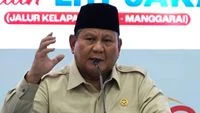
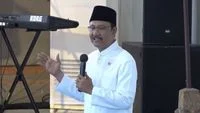
President-elect Prabowo Subianto convened a significant closed-door retreat with chairpersons of Regional House of Representatives (DPRD) from across Indonesia at the Military Academy (Akmil) in Magelang, Central Java, on Saturday, April 18. This pivotal gathering served as an early strategic forum for the incoming administration to articulate its core vision and priorities directly to regional legislative leaders, underscoring the critical importance of central-regional synergy for national development. The session, initially open to media for introductory remarks and live-streamed on the Presidential Secretariat’s YouTube channel, quickly transitioned to a private discussion as President Subianto delved into the substantive aspects of his agenda. This immediate shift signaled the strategic and sensitive nature of the discussions, aimed at fostering candid dialogue and comprehensive alignment on key national programs.
The retreat’s timing, preceding the formal inauguration of the new administration, highlighted a proactive approach to governance, emphasizing early engagement with regional stakeholders who play a crucial role in the implementation of national policies at the local level. The selection of Akmil, a revered institution symbolizing discipline, strategic thinking, and national defense, for such a high-level political meeting was noteworthy. It subtly underscored the President-elect’s background and potentially signaled a desire for a disciplined, unified approach to national development challenges.
Contextualizing the National Vision: Asta Cita and Indonesia Emas 2045
The primary focus of President Subianto’s address, as divulged by attendees following the closed session, revolved around the "Asta Cita" – his eight-point vision and mission that formed the bedrock of his presidential campaign. This comprehensive framework is designed to serve as the guiding principle for the National Medium-Term Development Plan (RPJMN), with a strong directive for regional governments to meticulously integrate these national objectives into their respective Regional Medium-Term Development Plans (RPJMD). This emphasis on "ketersambungan" (connectivity or seamless integration) between national and regional planning is paramount in Indonesia, an archipelagic nation with diverse socio-economic landscapes and a decentralized governance structure.
Indonesia’s decentralized system, established post-reformasi, grants significant autonomy to regional administrations in planning and executing development programs. However, for overarching national goals to be achieved, a robust mechanism for vertical policy alignment is indispensable. The President-elect’s insistence on aligning RPJMDs with the Asta Cita-driven RPJMN aims to prevent policy fragmentation and ensure that regional initiatives contribute cohesively to the broader national agenda. This strategic synchronization is particularly vital as Indonesia navigates its trajectory towards "Indonesia Emas 2045" (Golden Indonesia 2045), a centennial vision envisioning Indonesia as a fully developed, prosperous, and equitable nation with a high-income economy. Achieving this ambitious goal necessitates not only robust central planning but also effective, coordinated implementation across all provinces, cities, and regencies.
The Asta Cita itself encompasses a wide array of policy areas critical for national advancement. While specific points were not fully detailed in the original report, common themes from President Subianto’s campaign included strengthening defense and security, bolstering the economy through food security and industrialization, improving human capital through education and health, eradicating poverty, fostering good governance, and promoting social justice. Each of these pillars requires intricate collaboration between the central government and regional legislative and executive bodies for successful execution.
Maximizing National Potential for Sustainable Growth
A significant portion of President Subianto’s closed-door discourse also centered on the immense untapped potential of Indonesia’s natural resources and strategic assets. He urged regional leaders to maximize the management and utilization of these resources, particularly in the sectors of food, marine resources, and minerals. Indonesia, a country blessed with vast agricultural lands, extensive coastlines, rich marine biodiversity, and substantial mineral reserves (including nickel, bauxite, and coal), holds significant leverage for economic growth and global competitiveness.
For instance, in the food sector, Indonesia faces the dual challenge of ensuring national food security for its nearly 280 million people while simultaneously becoming a regional food basket. Maximizing agricultural potential involves modernizing farming practices, improving irrigation, leveraging technology for increased yields, and supporting local farmers. Regional governments play a crucial role in land use planning, agricultural extension services, and facilitating market access for local produce. The President-elect’s emphasis likely points towards self-sufficiency in staples and potential for agricultural exports.
In the marine sector, Indonesia’s status as the world’s largest archipelagic state grants it unparalleled marine wealth. This includes fisheries, aquaculture, marine tourism, and strategic maritime trade routes. Developing this sector responsibly requires robust enforcement against illegal fishing, investment in sustainable aquaculture, protection of marine ecosystems, and enhancement of port infrastructure. Regional DPRD chairpersons are instrumental in formulating local regulations that support sustainable marine practices and attract investment.
The mineral sector presents both immense opportunities and complex challenges, particularly concerning environmental sustainability and equitable resource distribution. With significant reserves of critical minerals vital for global industries (e.g., nickel for electric vehicle batteries), Indonesia aims to move up the value chain by processing raw materials domestically. This requires careful planning, investment in downstream industries, and ensuring that local communities benefit from mining activities. Regional governments are key in managing licensing, overseeing environmental compliance, and ensuring fair revenue sharing. President Subianto’s call to maximize these potentials is directly linked to the "Indonesia Emas 2045" vision, positioning resource optimization as a cornerstone of future prosperity.
Flagship Programs: "Makan Bergizi Gratis" and "Koperasi Merah Putih"
Beyond broad strategic directives, President Subianto also specifically instructed regional leaders on the implementation of two of his administration’s flagship programs: "Makan Bergizi Gratis" (Free Nutritious Meals) and "Koperasi Merah Putih" (Red and White Cooperatives). These initiatives are envisioned as critical investments in human capital and local economic empowerment, necessitating strong support and active participation from regional administrations.
The "Makan Bergizi Gratis" (MBG) program is a cornerstone of President Subianto’s social welfare agenda. It aims to address critical public health issues, particularly childhood malnutrition and stunting, which remain significant challenges in parts of Indonesia. According to the Indonesian Ministry of Health, the national stunting prevalence was around 21.6% in 2022, still above the WHO’s recommended threshold of 20%. The MBG program seeks to provide free, nutritious meals to schoolchildren and potentially pregnant mothers, thereby improving their nutritional intake, cognitive development, and overall health.
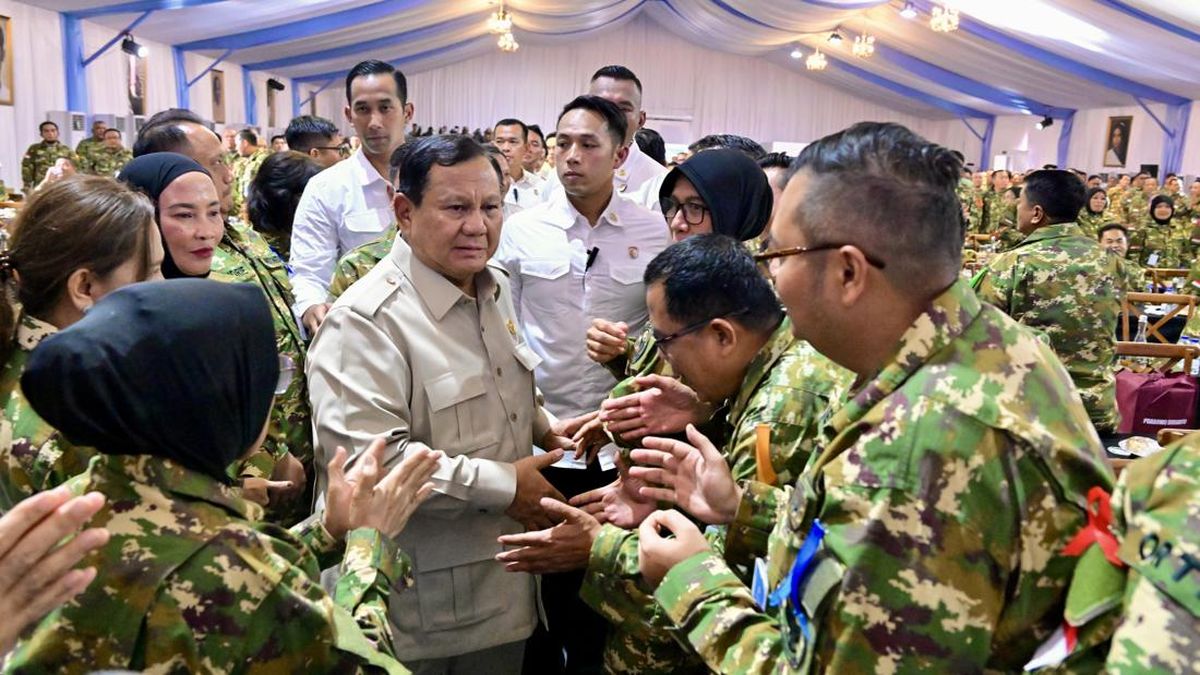
For the MBG program to succeed, regional governments are indispensable. They will be responsible for logistical planning, identifying eligible beneficiaries, managing local procurement of food supplies (which could also stimulate local agriculture), overseeing distribution networks, and ensuring the quality and nutritional value of meals. The President-elect’s directive underscores the need for regional legislative bodies to allocate necessary resources, enact supportive local regulations, and monitor implementation effectively. This program, if executed well, has the potential to significantly impact public health outcomes and foster a healthier, more productive future generation.
The "Koperasi Merah Putih" (Red and White Cooperatives) initiative appears to be aimed at strengthening the backbone of Indonesia’s local economies – small and medium-sized enterprises (SMEs) and community-based economic activities. Cooperatives have historically played a vital role in Indonesia’s economic landscape, especially in rural areas, by fostering collective enterprise, providing access to capital, and improving market access for small producers. This program likely seeks to revitalize and expand the cooperative movement, providing a platform for local communities to organize, innovate, and collectively benefit from economic activities.
Regional support for "Koperasi Merah Putih" would involve facilitating the establishment of new cooperatives, providing training and capacity building for cooperative members, offering financial assistance or access to microcredit, and creating an enabling regulatory environment. By empowering cooperatives, the government aims to enhance economic resilience at the grassroots level, reduce income disparities, and ensure more equitable distribution of wealth. This initiative aligns with the broader goal of inclusive economic growth, ensuring that the benefits of national development reach all segments of society, particularly those in remote and underserved areas.
Statements from Regional Leaders and the Importance of Consolidation
The feedback from regional leaders who attended the retreat was overwhelmingly positive, highlighting a sense of renewed purpose and a commitment to collaboration. Ade Sukron, Chairman of the Bekasi Regency DPRD and a Golkar politician, affirmed that President Subianto "reiterated the emphasis on Asta Cita to become a guideline for the RPJMN, so that it can be implemented regarding the RPJMD. So, there is a connection between national and regional programs." He further detailed the President-elect’s discussion on maximizing potential in food, marine, and mineral resources to realize "Indonesia Emas 2045." Sukron also specifically mentioned the directives on "Makan Bergizi Gratis" and "Koperasi Merah Putih," stating that these are "investments that the regions also need to support in how these programs can run well."
Similarly, Dance Ishak Palit, Chairman of the Salatiga City DPRD and General Chairman of the Association of Indonesian City DPRDs (Adeksi), echoed the sentiment, stating that President Subianto’s message was primarily about "implementing the Asta Cita program." Palit emphasized the importance for regional DPRDs to "translate national programs" effectively at the local level. He characterized the discussions as "exciting" and "good," fostering a sense of camaraderie and collaboration among the regional leaders. "First, we got to know each other. So, if we collaborate between DPRDs, it can happen quickly because we are already like brothers," he remarked, underscoring the networking aspect of the retreat. Palit concluded that the "emphasis was more on consolidation between the regions and the center so that cooperation can happen."
These statements underscore the dual objectives of the retreat: not only to transmit policy directives but also to build rapport, foster a spirit of unity, and strengthen the institutional ties between the central government and regional legislative bodies. This "consolidation" is critical for efficient governance, especially in a country as vast and diverse as Indonesia, where effective communication and mutual understanding between different levels of government can significantly streamline policy implementation.
Implications and Broader Impact
The Magelang retreat carries several significant implications for Indonesia’s political and developmental landscape.
Firstly, it signals a strong intent from President-elect Prabowo Subianto to establish a clear and unified strategic direction from the outset of his administration. By engaging directly with regional legislative leaders, he aims to minimize potential friction and ensure early buy-in for his key policies, particularly the Asta Cita framework and flagship programs like MBG. This proactive approach could lead to more efficient policy formulation and implementation, reducing delays often associated with inter-governmental coordination.
Secondly, the emphasis on aligning RPJMDs with the national RPJMN will necessitate a thorough review and potential restructuring of regional development priorities. This could lead to a more coherent national development trajectory, but it also presents challenges for regions that may have unique local needs or pre-existing development plans. The success of this alignment will depend on the flexibility of the national framework and the capacity of regional governments to adapt while still addressing local specificities.
Thirdly, the focus on maximizing national potential in food, marine, and mineral sectors, coupled with the "Makan Bergizi Gratis" and "Koperasi Merah Putih" programs, could unlock significant economic and social benefits. Increased investment and coordinated efforts in these sectors could boost economic growth, create jobs, and improve living standards. The MBG program, in particular, has the potential to be a transformative social intervention, addressing public health issues with long-term implications for human capital development.
However, the implementation of these ambitious programs will not be without challenges. Logistical complexities, funding mechanisms, bureaucratic capacity at the regional level, and the need for robust monitoring and evaluation will be critical factors determining their success. The "closed-door" nature of the substantive discussions, while fostering frank dialogue, also raises questions about transparency and public participation in the early stages of policy development. It will be crucial for the administration to subsequently communicate detailed plans and rationales to the broader public to maintain trust and garner widespread support.
In conclusion, President-elect Prabowo Subianto’s retreat with DPRD chairpersons in Magelang marks a decisive step in shaping the governance agenda for his upcoming administration. By emphasizing the Asta Cita, leveraging national resources, and pushing forward key social and economic programs, he has laid out a clear roadmap for central-regional collaboration. The success of this vision will ultimately depend on the continued commitment to consolidation, effective policy translation at the regional level, and transparent execution, paving the way for Indonesia to achieve its ambitious "Indonesia Emas 2045" aspirations.