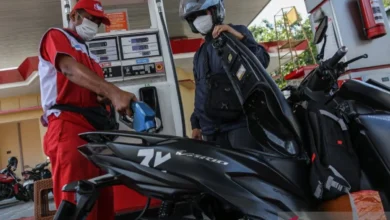
JAKARTA, INDONESIA – Amidst reports of dwindling fuel availability in several regions across Indonesia, automotive experts are urging drivers to adopt more fuel-efficient driving practices. This proactive approach is seen as crucial to mitigating the impact of potential shortages and promoting responsible fuel consumption.
The current situation, characterized by limited fuel supplies in various localities, has placed a spotlight on the importance of judicious fuel usage. Drivers are being advised to consciously manage their fuel consumption to ensure greater efficiency and reduce wastage.
Yannes Martinus Pasaribu, an automotive expert from the Bandung Institute of Technology (ITB), has provided practical recommendations for drivers aiming to conserve fuel. His advice centers on fundamental driving techniques, such as maintaining a steady speed and refraining from sudden braking. Pasaribu emphasizes that even minor adjustments in driving behavior can contribute significantly to preventing fuel wastage.
"Research from the U.S. Environmental Protection Agency indicates that aggressive driving behaviors like speeding and sudden braking can reduce fuel efficiency by up to 33 percent on highways and five percent in urban areas," stated Pasaribu on Monday, September 22nd. This data underscores the substantial impact of driving style on fuel economy.
The calls for more efficient driving come at a time when the Indonesian government, through the Ministry of Energy and Mineral Resources (ESDM), has been actively addressing fuel supply chain issues. Recent reports indicate that Pertamina, the state-owned oil and gas company, has absorbed fuel that was initially rejected by international buyers like Vivo and BP due to concerns over ethanol content. While this demonstrates a commitment to managing domestic supply, the underlying constraints on fuel availability in certain areas persist, necessitating a broader strategy that includes consumer behavior.
Key Driving Strategies for Enhanced Fuel Economy
To help motorists navigate these challenges and optimize their fuel consumption, a set of actionable driving tips has been compiled:
Prudent Air Conditioning Usage
While air conditioning is essential for driver and passenger comfort, its operation places an additional load on the engine, thereby increasing fuel consumption. Experts recommend a strategic approach to AC use. Instead of immediately activating the AC when the car’s interior is exceptionally hot, it is advisable to open the windows first to allow hot air to escape. Once the cabin temperature has noticeably decreased, the windows can be closed, and the AC can be turned on at a moderate setting. This simple step can lead to a noticeable reduction in fuel usage.
Maintaining a Steady Speed
Consistent driving speeds are paramount for optimal fuel efficiency. When a vehicle maintains a steady pace, the engine operates under less strain, leading to more economical fuel consumption. Drivers are encouraged to avoid frequent acceleration and deceleration. Such erratic speed changes force the engine to work harder, consuming more fuel than necessary. Adopting cruise control on highways, where appropriate and safe, can also contribute to maintaining a stable speed and enhancing fuel economy.
Avoiding Abrupt Braking
Sudden braking not only poses a safety risk but also significantly impacts fuel efficiency. When a driver brakes abruptly, the engine and fuel system are forced to work harder to decelerate the vehicle. To achieve better fuel economy, drivers should practice smooth and gradual braking. This can be facilitated by maintaining a safe following distance from the vehicle ahead. By anticipating traffic flow and potential stops, drivers can reduce the need for sudden braking, thereby saving fuel and reducing wear and tear on brake components.
Minimizing Excess Load
Carrying excessive weight in a vehicle directly translates to increased fuel consumption. A heavier vehicle requires more energy from the engine to move, thus consuming more fuel. Motorists should make a conscious effort to remove unnecessary items from their vehicles. Regularly decluttering the car and carrying only essential items can contribute to improved fuel efficiency. This principle extends to roof racks and cargo carriers, which can increase aerodynamic drag and further impact fuel economy, especially at higher speeds.
Regular Vehicle Servicing
Routine maintenance is a cornerstone of efficient vehicle operation and fuel conservation. Regular servicing ensures that the engine and its associated components are functioning optimally. This includes checking and cleaning fuel injectors, spark plugs, and air filters. A well-maintained engine is more efficient in burning fuel and less prone to performance issues that can lead to increased fuel consumption. Adhering to the manufacturer’s recommended service schedule is crucial for maintaining peak performance and preventing fuel wastage.
Engine Shutdown During Extended Stops
For situations involving prolonged waiting periods, such as at parking lots or when stationary without a clear purpose, switching off the engine is a highly effective fuel-saving measure. An idling engine continues to consume fuel without contributing to the vehicle’s movement. Therefore, turning off the engine during such stops can prevent unnecessary fuel expenditure. Modern vehicles often feature automatic start-stop systems designed to achieve this, but manual intervention remains effective.
Controlling Engine RPM (Revolutions Per Minute)
The engine’s RPM level is a critical indicator of its workload and fuel consumption. Ideally, for fuel efficiency, engine RPMs should be kept within a moderate range, typically between 1,500 and 2,500 RPM, depending on the vehicle and transmission. Driving in a higher gear at lower RPMs generally leads to more economical fuel use. Drivers can achieve this by accelerating gently and shifting gears at appropriate times. Maintaining a stable and lower engine RPM reduces the overall strain on the engine and contributes to lighter, more efficient fuel usage.
Proper Tire Inflation
Tire pressure plays a significant role in a vehicle’s fuel efficiency. Underinflated tires increase rolling resistance, meaning the engine has to work harder to move the vehicle. This increased effort translates directly to higher fuel consumption. It is essential to maintain the recommended tire pressure, as specified by the vehicle manufacturer, which can usually be found in the owner’s manual or on a sticker inside the driver’s side doorjamb. Properly inflated tires not only improve fuel economy but also enhance driving comfort and tire longevity.
Broader Context and Implications
The current discourse on fuel availability and the emphasis on fuel-efficient driving practices are not isolated incidents. They are part of a larger, ongoing conversation about energy security, environmental sustainability, and economic resilience. In Indonesia, a nation heavily reliant on fossil fuels for transportation, any disruption in supply can have far-reaching consequences, impacting daily commutes, logistics, and the overall economy.
The decision by Vivo and BP to halt purchases of specific fuel batches from Pertamina, reportedly due to ethanol content concerns, highlights the complexities of the global and domestic fuel market. While the Ministry of Energy and Mineral Resources has stated that Pertamina will absorb the rejected fuel, indicating a measure to maintain domestic supply stability, it also points to the need for robust quality control and adherence to international standards. The swift action by the Ministry and Pertamina in managing this specific situation demonstrates a commitment to ensuring the availability of fuel for the public.
However, the underlying concern about fuel availability in certain regions necessitates a multi-pronged approach. Beyond managing supply chains and quality, promoting behavioral change among consumers is a vital component. The tips provided by automotive experts like Yannes Martinus Pasaribu are not merely about saving money; they are about contributing to a more sustainable and resilient energy ecosystem.
Timeline of Related Events:
- Early September 2025 (Estimated): Reports emerge of limited fuel availability in several regions across Indonesia.
- Mid-September 2025 (Estimated): Vivo and BP reportedly halt purchases of certain fuel batches from Pertamina due to ethanol content concerns.
- September 22, 2025: Yannes Martinus Pasaribu, automotive expert from ITB, offers advice on fuel-efficient driving practices.
- September 23, 2025 (Estimated): The Ministry of Energy and Mineral Resources (ESDM) announces that Pertamina will absorb the fuel rejected by Vivo and BP, assuring continued domestic supply.
Supporting Data and Analysis:
The U.S. Environmental Protection Agency (EPA) data cited by Pasaribu (up to 33% reduction in efficiency on highways with aggressive driving) is a widely recognized benchmark in automotive science. This significant percentage underscores the direct correlation between driving habits and fuel consumption. For an average car consuming 10 liters of fuel per 100 kilometers, a 33% reduction in efficiency would mean consuming approximately 13.3 liters per 100 kilometers – a substantial increase in expenditure and resource depletion.
Furthermore, the impact of tire pressure on fuel efficiency is also well-documented. Studies have shown that driving with underinflated tires can reduce fuel economy by as much as 3%. For a vehicle that travels 15,000 kilometers annually and consumes 1,000 liters of fuel, a 3% reduction would mean an additional 30 liters of fuel consumption per year.
The broader implications of widespread fuel scarcity can be severe. It can lead to increased transportation costs for businesses, potentially driving up prices of goods and services. For individuals, it can disrupt daily commutes, affect access to essential services, and create economic hardship. Therefore, proactive measures, including public awareness campaigns on fuel conservation and the adoption of fuel-efficient technologies, are crucial for long-term energy security and economic stability in Indonesia. The current situation serves as a potent reminder of the interconnectedness of energy supply, consumer behavior, and national economic health.
The advice provided by experts is not just a temporary fix but a sustainable approach to fuel management that benefits both the individual driver and the nation’s energy resources. By embracing these simple yet effective driving techniques, Indonesians can play a significant role in navigating the current fuel availability challenges and contributing to a more fuel-conscious future.
Pewarta: Sean Anggiatheda Sitorus
Editor: Suryanto
Copyright © ANTARA 2025