Gajah Tunggal Maintains Tire Prices Amidst Rising Production Costs, Prioritizing Consumer Affordability and Market Competitiveness

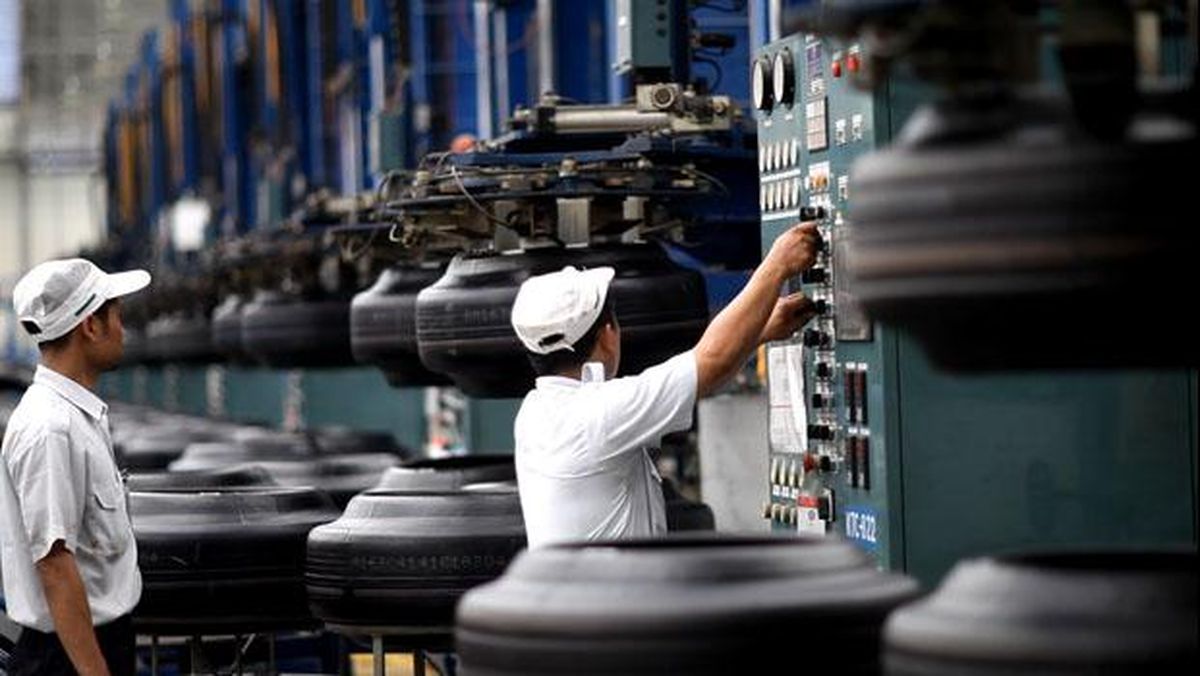
Karawang, Indonesia – PT Gajah Tunggal Tbk, a prominent Indonesian tire manufacturer, has affirmed its ability to maintain current selling prices for its products despite significant increases in production costs since the beginning of the year. The company is strategically prioritizing consumer purchasing power and competitive market positioning over immediate price adjustments, signaling a commitment to market stability and customer retention.
The surge in raw material prices, a global phenomenon impacting various industries, has presented a considerable challenge for the tire sector. However, Gajah Tunggal’s General Manager of Domestic Sales Replacement, Elly Pudjiati, emphasized that these external cost pressures are not the sole determinant in their pricing strategies. "While there are investments associated with raw materials, it is not the most critical consideration," Pudjiati stated during an interview in Karawang, West Java, on Thursday, July 23rd. "If we were to increase prices, we would need to thoroughly understand our product’s standing relative to competitors."
This strategic approach underscores a nuanced understanding of the economic landscape. The tire industry, like many others, operates within a dynamic ecosystem where consumer demand, economic conditions, and competitive pressures play pivotal roles. Gajah Tunggal’s decision reflects a broader business philosophy that extends beyond internal cost management to encompass the broader market dynamics.
Balancing Internal Costs with External Market Realities
The company’s commitment extends to its extensive network of distributors and business partners. Elly Pudjiati articulated this responsibility, stating, "Gajah Tunggal bears the responsibility of ensuring the sustainability of our distributors and business partners. Therefore, our pricing policies consider not only the company’s internal conditions but also the market’s capacity to absorb our products." This consultative approach aims to foster a healthy and robust supply chain, ensuring that price adjustments, if necessary, do not unduly burden downstream partners or lead to a significant drop in sales volume.
Pudjiati further elaborated that any potential price increases would be carefully calibrated and implemented within a defined range. The company expressed confidence in the current stability of its market share, bolstered by its long-standing reputation as a trusted brand for automotive components. She claimed that Gajah Tunggal has successfully secured a position among the top three best-selling tire companies domestically.
"The passenger car segment has remained stable to date, even with our price adjustments," she noted. This statement suggests that the adjustments made have been subtle and strategically managed, allowing the company to navigate cost increases without alienating its customer base or losing ground to competitors.
The magnitude of the raw material price hikes has been significant, reportedly reaching double-digit percentages. However, Gajah Tunggal’s response has been measured. "Have we increased prices by double digits as well? No. There are various other considerations," Pudjiati explained. This highlights a conscious effort to absorb a portion of the increased costs internally, demonstrating a commitment to consumer value.
The Tire as a Safety Investment
Beyond the immediate economic considerations, Gajah Tunggal also positions its products as essential investments in vehicle safety. This perspective resonates with vehicle owners who understand the critical role tires play in roadworthiness, performance, and accident prevention. The company believes that by maintaining accessible pricing, they are not only supporting consumer budgets but also promoting safer driving practices across the nation.
Strategic Product Launches and Market Expansion
Looking ahead, Gajah Tunggal is set to unveil a new tire model, the GitiXcursion RT, at the Gaikindo Indonesia International Auto Show (GIIAS) 2026. This launch signifies the company’s ongoing commitment to innovation and catering to evolving market demands. The GitiXcursion RT will be available in 12 sizes, designed for 18-inch and 20-inch rims, and specifically engineered for popular SUV models such as the Toyota Fortuner, Mitsubishi Pajero Sport, Toyota Hilux, Isuzu mu-X, and the Ford Ranger pickup.
This strategic introduction of new products, particularly those targeted at the growing SUV segment, demonstrates Gajah Tunggal’s proactive approach to market trends and its ambition to capture a larger share of this lucrative market. The SUV segment, known for its demand for robust and durable tires, presents an excellent opportunity for a company with Gajah Tunggal’s manufacturing capabilities and brand recognition.
Background and Context: Navigating Global Supply Chain Disruptions
The current situation for Gajah Tunggal is set against a backdrop of significant global economic turbulence. Since the onset of 2023, a confluence of factors has led to widespread increases in the cost of raw materials essential for tire production. These include:
- Petrochemical Prices: A substantial portion of tire manufacturing relies on synthetic rubber and carbon black, both derived from petroleum. Fluctuations in global oil prices directly impact the cost of these key components. The volatility in energy markets, driven by geopolitical events and supply-demand imbalances, has been a primary driver of increased production expenses.
- Natural Rubber Costs: While synthetic rubber is crucial, natural rubber remains a vital ingredient. Global demand for natural rubber, influenced by factors such as agricultural output, weather conditions affecting harvests, and the demand from other rubber-consuming industries (like medical gloves), has also seen upward price movements.
- Logistics and Shipping: The cost of transporting raw materials to manufacturing facilities and finished goods to markets has also escalated. Global shipping rates, influenced by container availability, port congestion, and fuel prices, add another layer of cost to the production process.
- Currency Fluctuations: As many raw materials are imported, the exchange rate of the Indonesian Rupiah against major currencies plays a significant role in the landed cost of these materials. A weaker Rupiah directly translates to higher import costs.
These cumulative pressures have forced many manufacturers worldwide to consider price increases. However, Gajah Tunggal’s deliberate strategy to absorb these costs reflects a sophisticated approach to market management.
Analysis of Implications: Strategic Pricing and Market Share
Gajah Tunggal’s decision to absorb rising production costs has several key implications:
- Enhanced Consumer Loyalty: By maintaining stable prices, the company reinforces its image as a value-driven provider, potentially fostering greater customer loyalty and brand preference. In a price-sensitive market, this can be a significant competitive advantage.
- Competitive Edge: Competitors who opt for immediate and substantial price hikes may find themselves at a disadvantage, especially if Gajah Tunggal can sustain its pricing longer. This could lead to market share gains for Gajah Tunggal.
- Pressure on Profit Margins: While beneficial for consumers and market positioning, absorbing significant cost increases inevitably puts pressure on the company’s profit margins in the short to medium term. The company’s ability to manage these margins will depend on its operational efficiencies, hedging strategies for raw materials, and the eventual possibility of more moderate price adjustments.
- Long-Term Market Stability: By avoiding drastic price changes, Gajah Tunggal contributes to overall market stability, preventing a potential demand collapse that could harm the entire industry.
The company’s focus on the passenger car segment’s stability, despite price adjustments, suggests that the actual price increases implemented have been incremental and targeted, perhaps on specific product lines or through minor adjustments rather than across-the-board hikes. This nuanced approach allows them to test market tolerance while signaling a commitment to affordability.
Future Outlook and Industry Trends
The tire industry is inherently cyclical, influenced by automotive sales, economic growth, and regulatory changes. As the automotive sector continues to evolve with the rise of electric vehicles (EVs) and autonomous driving technology, tire manufacturers are also adapting. This includes developing tires with lower rolling resistance for EVs, enhanced durability, and advanced safety features.
Gajah Tunggal’s investment in new product development, as evidenced by the upcoming GitiXcursion RT, indicates a forward-looking strategy. The company is not only navigating current economic challenges but also preparing for the future of mobility by offering specialized products for high-demand segments like SUVs.
The company’s stated belief that tires remain a crucial safety investment for vehicle owners is a powerful message that resonates with consumers. By aligning their pricing strategy with this understanding, Gajah Tunggal aims to position itself as a responsible and reliable partner for Indonesian motorists. The success of this strategy will be closely watched as it unfolds against the dynamic backdrop of the global and domestic automotive markets.