
Chocolate Covered Bacon Strips
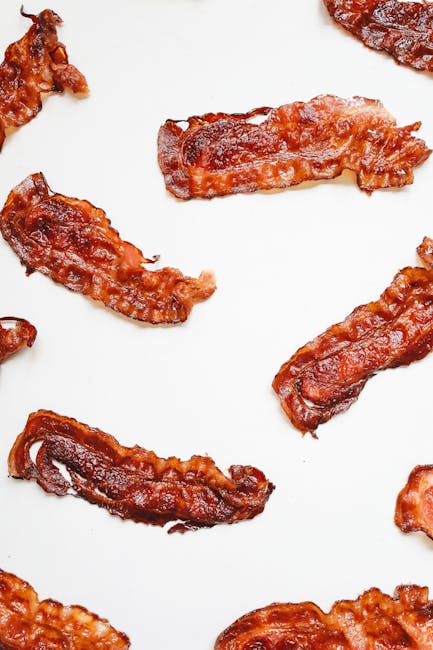
The Ultimate Guide to Chocolate Covered Bacon: A Sweet and Savory Sensation
Chocolate covered bacon is a culinary paradox, a daring fusion of sweet indulgence and salty satisfaction that has captivated palates worldwide. This seemingly improbable combination, where crispy, smoky bacon meets the rich embrace of melted chocolate, transcends the ordinary, offering a complex flavor profile that is both familiar and utterly novel. Far from a mere novelty, this treat represents a thoughtful exploration of contrasting textures and tastes, a testament to the adventurous spirit of modern gastronomy. Understanding its appeal requires delving into the fundamental elements that make it so compelling: the quality of the bacon, the type and application of chocolate, and the precise execution of the dipping and setting process. Each component plays a critical role in the final outcome, transforming humble ingredients into an extraordinary culinary experience.
The foundation of any exceptional chocolate covered bacon lies in the quality of the bacon itself. Not all bacon is created equal, and the nuances of fat content, cure, and cut significantly influence the final product. Ideally, one should opt for thick-cut, high-quality bacon. Thicker cuts offer a more substantial chew and a more pronounced smoky flavor, which stands up effectively to the sweetness of the chocolate. A good cure, often involving a blend of salt, sugar, and curing salts, provides the essential savory backbone. Overly salty bacon can overpower the chocolate, creating an unbalanced experience. Conversely, bacon that is too lean might become excessively crispy and brittle, potentially shattering when coated or bitten. The ideal bacon possesses a harmonious balance of fat and meat, rendering beautifully to achieve a satisfying crispness without drying out. Smoked varieties, particularly applewood or hickory smoked, lend an aromatic complexity that complements the cocoa notes. Uncured or "natural" bacon can also be a delicious option, offering a purer pork flavor, but its texture might require more careful monitoring during cooking to achieve optimal crispness. The cooking method is equally paramount. Pan-frying is a popular choice, allowing for controlled rendering of fat and even crisping. Baking on a wire rack provides a less hands-on approach, promoting even cooking and a consistently crisp result. The key is to cook the bacon until it is decidedly crispy, but not burnt. A burnt bacon will introduce acrid, bitter notes that clash with the chocolate. The goal is a satisfying crunch that yields to a melt-in-your-mouth tenderness, a textural duality that is central to the appeal of chocolate covered bacon. Proper draining after cooking is essential to remove excess grease, preventing it from interfering with the chocolate’s adhesion and potentially creating a greasy mouthfeel.
The chocolate component is as crucial as the bacon, dictating the overall sweetness, richness, and even the aesthetic of the finished product. The choice of chocolate is not arbitrary; it’s a strategic decision that impacts the flavor pairing and the overall sensory experience. For many, dark chocolate is the preferred partner for bacon. Its inherent bitterness acts as a counterpoint to the bacon’s saltiness and smokiness, creating a sophisticated flavor dynamic. A good quality dark chocolate, with a cocoa percentage ranging from 60% to 75%, offers a robust flavor that doesn’t get lost beneath the assertive profile of the bacon. Milk chocolate, while sweeter and creamier, can sometimes overwhelm the bacon’s subtler notes, resulting in a less balanced, potentially cloying confection. However, for those who prefer a sweeter profile, a high-quality milk chocolate can still be a viable option, provided the bacon is not excessively salty. White chocolate, with its creamy vanilla notes and lack of cocoa solids, presents a stark contrast. While it can offer a visually striking appearance, the flavor pairing is more polarizing, with some finding the sweetness too dominant and the lack of cocoa bitterness jarring. For a truly artisanal approach, consider using couverture chocolate, which contains a higher percentage of cocoa butter, resulting in a smoother texture, a more refined sheen, and a superior snap when set. Tempering the chocolate is a critical step for achieving a professional finish. Untempered chocolate will appear dull, bloom (develop white streaks), and have a soft, crumbly texture. Proper tempering involves carefully heating and cooling the chocolate to specific temperatures, aligning its cocoa butter crystals into a stable structure. This results in a glossy finish, a satisfying snap when broken, and a smooth melt on the palate. While it may seem like a daunting task, with practice and the right equipment (a thermometer is essential), tempering can be mastered. Alternatively, for a simpler approach, high-quality chocolate chips can be used, though they may not achieve the same level of gloss and snap as tempered couverture.
The process of combining the cooked bacon with the melted chocolate is where the magic truly happens, requiring precision and an understanding of how these disparate elements interact. Once the bacon is cooked to crispy perfection and thoroughly drained, it’s time for the chocolate. If tempering, ensure the chocolate is prepared according to the specific tempering method (e.g., seeding, tabling). If using chips or a simpler melting method, melt the chocolate gently in a double boiler or in the microwave at short intervals, stirring frequently to prevent scorching. The consistency of the melted chocolate is important; it should be fluid enough to coat the bacon evenly without being too thin. A slightly thicker consistency can provide a more substantial coating. Dip each bacon strip into the melted chocolate, ensuring it is fully submerged. For an elegant presentation, hold the strip by one end and gently dip it, allowing excess chocolate to drip back into the bowl. Alternatively, a fork or specialized chocolate dipping tools can be used. For a more rustic look, the chocolate can be drizzled over the bacon. Some enthusiasts prefer to dip only half or two-thirds of the bacon strip, creating a visually appealing two-toned effect and allowing the crispy, un-coated end to offer a pure bacon experience. Once coated, carefully place the chocolate-covered bacon strips on a parchment-lined baking sheet. This prevents sticking and facilitates easy removal once set. If desired, while the chocolate is still wet, one can sprinkle additional toppings. A pinch of sea salt flakes (fleur de sel is particularly prized) can amplify the salty-sweet contrast. Chili flakes or a dusting of cayenne pepper can introduce a subtle heat, a welcome addition for those who enjoy a touch of spice. Finely chopped nuts, like toasted pecans or almonds, can add another layer of texture and flavor. The key is to exercise restraint; the bacon and chocolate should remain the stars of the show, with toppings acting as harmonious accompaniments.
The setting or chilling process is as vital as the dipping itself, allowing the chocolate to solidify and the flavors to meld. Once the bacon strips are arranged on the parchment-lined sheet, they need to be allowed to set. This can be done at room temperature for a slower, more controlled set, or more commonly, in the refrigerator. Refrigeration speeds up the process, ensuring the chocolate hardens quickly and maintains its shape. The duration in the refrigerator will depend on the ambient temperature and the thickness of the chocolate coating, but typically 15-30 minutes is sufficient until the chocolate is firm to the touch. Over-chilling, however, can sometimes lead to condensation forming on the chocolate, potentially dulling its sheen. For optimal results, allow the chocolate-covered bacon to cool at room temperature for a few minutes after removing it from the refrigerator before packaging or serving. This allows any residual moisture to evaporate.
The appeal of chocolate covered bacon extends beyond its immediate flavor impact; it’s a conversation starter, a testament to culinary innovation, and a deeply satisfying indulgence. Its origins are somewhat debated, with various individuals and establishments claiming to have popularized it, but its presence on menus and in home kitchens alike is undeniable. It has become a staple at barbecues, holiday gatherings, and even as a gourmet snack. The textural contrast between the crisp bacon and the smooth, sometimes snappy, chocolate is a key element of its allure. The rich, savory, and slightly smoky notes of the bacon dance with the sweet, bitter, and sometimes creamy notes of the chocolate, creating a complex and addictive flavor profile. It’s this interplay of seemingly opposing forces that makes it so captivating. From a SEO perspective, the term "chocolate covered bacon" is a direct and highly searchable phrase. Targeting related keywords such as "bacon chocolate recipe," "candied bacon chocolate," "sweet and savory snacks," "gourmet bacon treats," and "unique dessert ideas" can broaden the reach of content related to this culinary delight. Including information about different types of chocolate, bacon preparation techniques, and topping suggestions provides valuable content for users searching for recipes and inspiration. The intrinsic appeal of this unconventional treat, combined with strategic SEO practices, ensures its continued popularity and discoverability. The enduring fascination with chocolate covered bacon lies in its ability to challenge conventional notions of flavor pairings, proving that sometimes, the most unexpected combinations yield the most delightful results, a truly remarkable sweet and savory sensation.
