
Instant Pot Chicken And Rice Soup
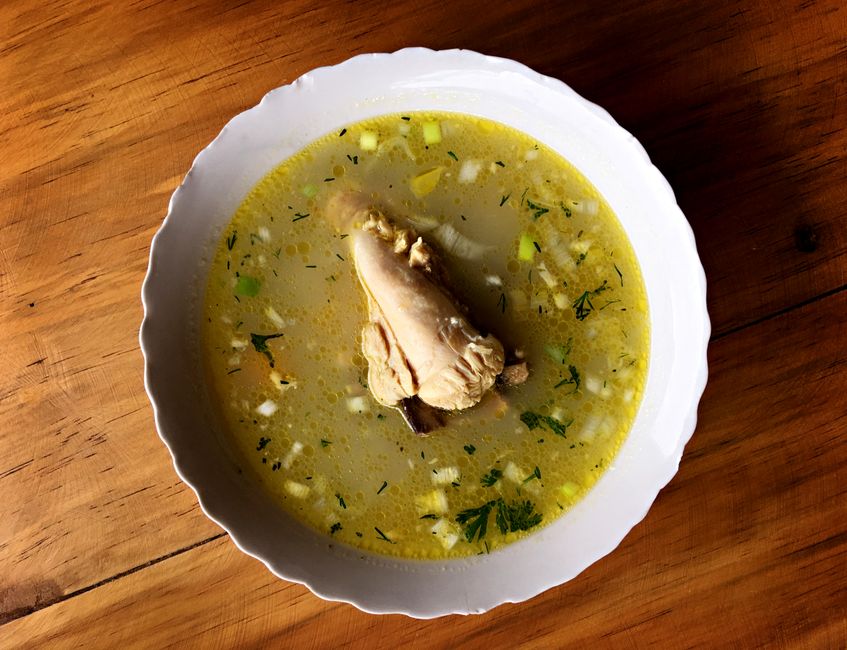
Instant Pot Chicken and Rice Soup: A Flavorful and Fast Family Favorite
Instant Pot chicken and rice soup offers a remarkably efficient and deeply satisfying solution for busy weeknights or whenever a comforting, hearty meal is desired. This recipe harnesses the power of the electric pressure cooker to transform simple ingredients into a rich, flavorful soup in a fraction of the time traditional stovetop methods require. The Instant Pot excels at tenderizing chicken and infusing the broth with aromatics, creating a depth of flavor that belies its quick preparation. Unlike simmering for hours, the pressure cooking process locks in moisture and intensifies the taste of vegetables and herbs. This adaptability makes it a go-to for home cooks seeking both convenience and exceptional taste. The beauty of this recipe lies in its simplicity and the high-quality results it consistently delivers, making it an indispensable addition to any modern kitchen repertoire. The combination of tender chicken, perfectly cooked rice, and a savory, herb-infused broth creates a harmonious blend of textures and tastes that appeals to all ages. Furthermore, the hands-off nature of the Instant Pot frees up valuable time for other tasks, making meal preparation less of a chore and more of an integrated part of a busy schedule.
The foundational elements of a superior Instant Pot chicken and rice soup begin with selecting the right ingredients for maximum flavor impact. Opting for bone-in, skin-on chicken pieces, such as thighs or drumsticks, provides an unparalleled richness to the broth as they release collagen and fat during the cooking process. This inherent flavor base is crucial for a truly delicious soup. While boneless, skinless chicken breasts can be used for a leaner option, they tend to yield a less robust broth and can become dry if overcooked under pressure. For those prioritizing speed and ease, boneless, skinless thighs offer a good compromise, providing tenderness and flavor without the extra steps of dealing with bones and skin. The aromatic vegetables, commonly referred to as mirepoix, form the next crucial layer of flavor. Diced yellow onion, celery, and carrots are essential. These vegetables not only contribute sweetness and depth but also break down slightly, thickening the soup naturally and adding body. Ensuring uniform dicing of these aromatics promotes even cooking and integration into the broth. High-quality chicken broth or stock is paramount. Using low-sodium varieties allows for better control over the salt content of the finished dish. For an even more profound flavor, consider using a combination of chicken broth and water, or even supplementing with a bouillon cube or a homemade chicken stock for an intensely savory base. The type of rice used also plays a role. Long-grain white rice, such as basmati or jasmine, cooks relatively quickly and absorbs the flavors of the broth beautifully without becoming overly mushy. Arborio rice, while typically used for risotto, can also be employed for a creamier, starchier soup if that texture is desired. Brown rice is a healthier alternative, but it requires a longer cooking time and may not achieve the same tender texture within the standard Instant Pot pressure cooking cycle for this soup; it often benefits from being cooked separately or pre-soaked. Fresh herbs, such as thyme, rosemary, and bay leaves, are indispensable for imparting authentic, comforting flavors. Dried herbs can be used, but their potency is diminished, so adjust quantities accordingly. Finally, a touch of acidity, often introduced with a squeeze of fresh lemon juice at the end, brightens the overall flavor profile and cuts through the richness.
Initiating the Instant Pot chicken and rice soup process with the "Sauté" function is key to building initial flavor layers and achieving a more developed taste profile. Begin by heating a tablespoon or two of olive oil or butter in the inner pot of your Instant Pot over medium-high heat. Once the oil is shimmering, add the diced onion, celery, and carrots. Sauté these vegetables for approximately 5-7 minutes, stirring occasionally, until they begin to soften and the onion becomes translucent. This stage, known as building the "soffritto," is critical as it caramelizes the natural sugars in the vegetables, releasing their inherent sweetness and creating a more complex flavor base for the soup. Following the sautéing of the mirepoix, add minced garlic to the pot. Garlic burns easily, so it’s important to add it during the last minute or two of the sautéing process, stirring it until fragrant. This brief cooking time releases its potent aromatic compounds without allowing it to become bitter. Next, introduce the chicken to the pot. If using bone-in chicken pieces, sear them for a minute or two on each side to develop a golden-brown exterior, which further enhances flavor and texture. If using boneless chicken, a brief sear is still beneficial for color and a slightly firmer texture. After searing the chicken and vegetables, it’s time to deglaze the pot. Pour in about half a cup of chicken broth and use a wooden spoon or spatula to scrape up any browned bits (fond) that have adhered to the bottom of the pot. This fond is packed with concentrated flavor and will significantly enrich the soup’s broth. This step is crucial for preventing the "Burn" error on the Instant Pot and maximizing the flavor extracted from the sautéed ingredients.
Once the aromatics are softened and the pot is deglazed, it’s time to add the remaining liquid and seasonings to transform the sautéed base into a flavorful soup. Carefully pour in the remaining chicken broth, ensuring all the sautéed vegetables and chicken are submerged. The total liquid volume should be sufficient to cover the ingredients comfortably, typically around 6-8 cups depending on the size of your Instant Pot and the quantity of chicken and vegetables used. Add your chosen herbs. Fresh sprigs of thyme, rosemary, or a bay leaf tied together with kitchen twine (a "bouquet garni") make for easy removal later. If using dried herbs, add them now, accounting for their more concentrated flavor. Season generously with salt and freshly ground black pepper. Remember that the saltiness of the broth will concentrate as the soup cooks, so it’s often advisable to under-salt initially and adjust to taste at the end. Now, introduce the rice. For long-grain white rice, it’s generally added directly into the liquid. If you prefer to keep the rice slightly more separate or prevent it from becoming too mushy, you can add it during the last 10-15 minutes of the pressure cooking cycle, or even cook it separately and stir it in after the pressure cooking is complete. However, for a true "one-pot" experience and a soup where the rice is integrated into the broth, adding it directly is the standard method. Ensure all the rice is submerged in the liquid. Close the lid of your Instant Pot, ensuring the steam release valve is set to the "Sealing" position. Select the "Manual" or "Pressure Cook" setting and set the timer for 8-10 minutes at high pressure for boneless chicken or 10-12 minutes for bone-in chicken. The exact time will depend on the size and cut of chicken, as well as personal preference for tenderness. Allow the Instant Pot to come to pressure; this can take several minutes. Once the cooking cycle is complete, perform a natural pressure release (NPR) for at least 10 minutes. This gradual release of pressure allows the flavors to meld and the chicken to remain incredibly moist. After the 10-minute NPR, carefully move the steam release valve to the "Venting" position to release any remaining pressure.
Upon completion of the pressure cooking and pressure release cycles, the immediate next step is to carefully open the Instant Pot lid, away from your face, to avoid steam burns. The aroma emanating from the pot will already be a testament to the successful infusion of flavors. The chicken should be cooked through and tender, and the rice should be plump and soft. If you used bone-in chicken pieces, remove them from the pot to allow them to cool slightly before shredding or dicing the meat. Discard the bones and skin. Once the chicken is cool enough to handle, shred it using two forks or dice it into bite-sized pieces. Return the shredded or diced chicken back into the soup. If you opted for the separate rice cooking method or if the rice is not to your desired tenderness, this is the time to add it. If the soup seems too thin for your liking, you have several options for thickening. One simple method is to use the "Sauté" function again and stir in a slurry made from equal parts cornstarch or all-purpose flour mixed with cold water. Allow the soup to simmer gently for a few minutes until it reaches your desired consistency. Alternatively, you can mash some of the cooked carrots and celery against the side of the pot to release their starches, which will naturally thicken the broth. Taste the soup and adjust the seasoning. This is the perfect opportunity to add more salt and pepper if needed. A squeeze of fresh lemon juice at this stage is transformative, brightening the flavors and adding a pleasant tang that balances the richness of the broth. Freshly chopped parsley or dill stirred in just before serving adds a burst of fresh flavor and vibrant color. Remove any bay leaves or herb stems that were added during the cooking process.
For optimal flavor development and to achieve the most satisfying texture, allowing the Instant Pot chicken and rice soup to rest for a few minutes after cooking is highly recommended. This short resting period, even just 5-10 minutes with the lid off, allows the flavors to continue to meld and the rice to absorb any excess moisture, resulting in a more cohesive and richer soup. When serving, ladle the hot soup into individual bowls. A garnish of fresh parsley, dill, or chives can elevate the presentation and add an extra layer of freshness. A dollop of sour cream or a swirl of Greek yogurt can also add a creamy element and a touch of tang, particularly appealing for those who enjoy a richer soup. Crusty bread, biscuits, or crackers are excellent accompaniments for soaking up the flavorful broth. For those following specific dietary guidelines or seeking variations, several modifications can be made. To create a dairy-free version, ensure you use olive oil for sautéing and opt for vegetable broth if a vegetarian chicken-free soup is desired. For a gluten-free soup, ensure your broth and any added thickeners are certified gluten-free. If you prefer a more robust vegetable presence, consider adding additional vegetables such as peas, corn, or green beans during the last few minutes of the pressure cooking cycle or after the main cooking is complete. A small can of diced tomatoes can also be added for a subtle tomato flavor and a bit of acidity. For an extra layer of umami, a splash of soy sauce or a teaspoon of Worcestershire sauce can be incorporated during the sautéing phase, though be mindful of added sodium. The versatility of this Instant Pot chicken and rice soup recipe allows for endless customization to suit individual preferences and dietary needs. The inherent simplicity of the Instant Pot method ensures that even with these modifications, the core deliciousness and ease of preparation remain. The ability to adapt this recipe makes it a truly invaluable staple for any home cook.
The nutritional profile of Instant Pot chicken and rice soup can be quite favorable, especially when prepared with mindful ingredient choices. It serves as an excellent source of lean protein from the chicken, which is essential for muscle repair and satiety. The vegetables, such as carrots and celery, provide vital vitamins, minerals, and dietary fiber. Carrots are particularly rich in beta-carotene, which the body converts into vitamin A, crucial for vision and immune function. Celery offers antioxidants and contributes to hydration. The rice, as a carbohydrate source, provides energy. When using low-sodium broth and controlling the added salt, the soup can be a heart-healthy option, lower in sodium than many commercially prepared soups. The use of healthy fats like olive oil during sautéing contributes to the absorption of fat-soluble vitamins from the vegetables. For those managing their weight, this soup can be a filling and satisfying meal that is relatively low in calories per serving, especially if leaner chicken cuts are used and the broth is not excessively rich. The fiber content from the vegetables and rice also aids in digestion and promotes feelings of fullness, which can be beneficial for appetite control. When comparing it to other quick meal options, such as fast food or pre-packaged meals, homemade Instant Pot chicken and rice soup typically offers a superior nutritional advantage due to the control over ingredients and the absence of artificial preservatives and excessive sodium often found in processed foods. The comfort food aspect of soup also contributes to its psychological benefits, offering warmth and nourishment that can be particularly beneficial during colder months or when feeling unwell. This dish, therefore, represents a balanced and wholesome choice for a family meal.
Storing and reheating Instant Pot chicken and rice soup are straightforward processes that ensure its quality and safety for future consumption. Once the soup has cooled to room temperature, it can be stored in airtight containers in the refrigerator for up to 3-4 days. Properly sealed containers prevent the absorption of odors from other foods in the refrigerator and maintain the soup’s freshness. For longer storage, the soup can be frozen in freezer-safe containers or heavy-duty freezer bags. It’s advisable to leave a little headspace in the containers to allow for expansion during freezing. Frozen soup will retain its quality for up to 2-3 months. When reheating refrigerated soup, the stovetop method is generally preferred for the best results. Transfer the soup to a saucepan and heat it over medium heat, stirring occasionally, until it reaches your desired temperature. Be patient; allowing it to heat gently prevents the rice from becoming mushy or the chicken from becoming tough. If the soup has thickened significantly during storage, you can add a splash of chicken broth or water to loosen it to your preferred consistency. For reheating frozen soup, it’s best to thaw it in the refrigerator overnight before reheating on the stovetop. Alternatively, you can reheat it directly from frozen in a saucepan over low heat, stirring frequently, though this will take considerably longer. Microwaving is another option for reheating individual portions. Place the soup in a microwave-safe bowl and heat on medium power, stirring every minute or so, until thoroughly heated. Be cautious when microwaving, as it can sometimes lead to uneven heating. Regardless of the reheating method, always ensure the soup is heated through to an internal temperature of 165°F (74°C) to eliminate any potential bacterial growth. While reheating, the rice may absorb additional liquid, so having extra broth on hand is beneficial for adjusting the soup’s consistency. The flavors of the soup often meld and deepen upon reheating, making it just as delicious, if not more so, than when it was initially prepared.
