
Air Fryer Scotch Eggs
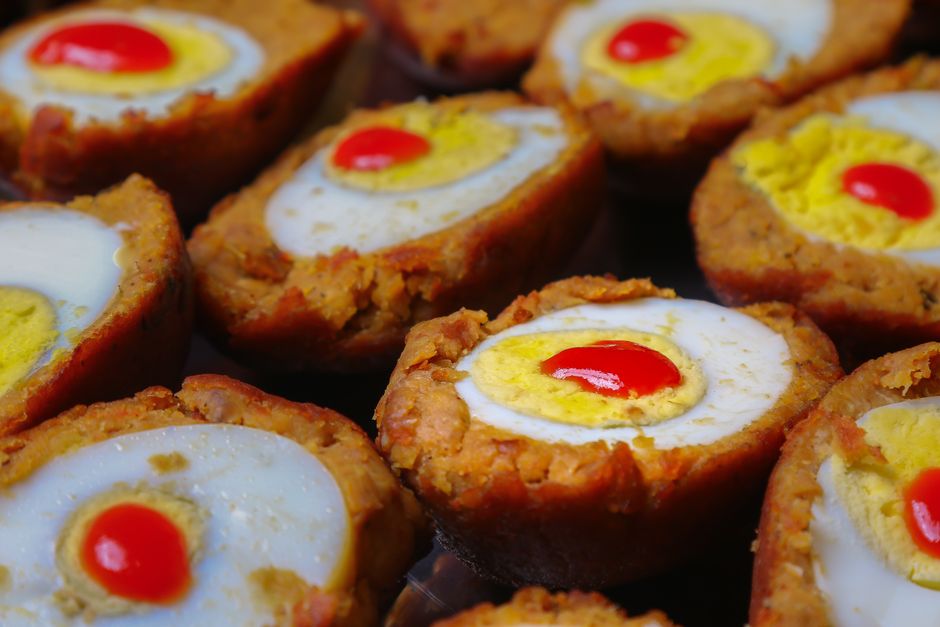
Air Fryer Scotch Eggs: Crispy Perfection Without Deep Frying
Achieving the iconic crispy exterior and perfectly cooked, jammy yolk of a Scotch egg has historically been synonymous with deep frying. This method, while effective, can be messy, time-consuming, and often results in greasy final products. Fortunately, the advent of the air fryer has revolutionized home cooking, offering a healthier and significantly less involved approach to creating these beloved British classics. Air fryer Scotch eggs deliver all the satisfying crunch and rich flavor of their deep-fried counterparts, with a fraction of the oil and effort. This article delves deep into the art and science of making perfect air fryer Scotch eggs, exploring everything from ingredient selection and preparation to achieving optimal crispiness and exploring delicious variations.
The core components of a Scotch egg are simple yet crucial: a perfectly boiled egg, a seasoned sausage meat coating, and a breadcrumb exterior. For air fryer Scotch eggs, the quality of each element directly impacts the final outcome. The egg, the heart of the Scotch egg, is paramount. Aim for large or extra-large eggs, as they offer more surface area for the sausage meat and a more substantial yolk. The ideal yolk consistency for a Scotch egg is undeniably jammy – a rich, slightly runny center that oozes beautifully when cut. This requires precise boiling times. For large eggs, boiling for 6 to 6.5 minutes in rapidly boiling water will typically yield this coveted texture. Immediately plunging the boiled eggs into an ice bath is essential to halt the cooking process and prevent the yolk from overcooking during the air frying stage. Peeling them gently once cooled is key to avoiding damage to the delicate white.
The sausage meat is the flavorful binder that envelops the egg. While pre-made sausage meat is convenient, consider the fat content and seasoning. A higher fat content will contribute to a more tender and flavorful result, and a good quality pork sausage, ideally with a decent fat percentage (around 20-30%), is recommended. For enhanced flavor, consider making your own sausage meat by grinding good quality pork shoulder with a blend of herbs and spices. Classic seasonings include salt, black pepper, a pinch of nutmeg, and perhaps a hint of sage or thyme. For those seeking a more adventurous flavor profile, consider adding a touch of mustard powder, chili flakes, or even a finely chopped onion or garlic clove to the sausage mixture. Ensure the sausage meat is well-seasoned, as it needs to carry the flavor load of the entire Scotch egg.
The breadcrumb coating provides the essential crispiness. Panko breadcrumbs are the undisputed champions for air fryer Scotch eggs due to their large, flaky texture, which traps air and fries up exceptionally light and crispy. Regular breadcrumbs can be used, but the texture will be denser. For added flavor and texture, consider incorporating finely grated Parmesan cheese into your breadcrumbs, or even a small amount of seasoned flour for an initial dusting before the egg wash. The standard breading procedure involves three stages: a light dusting of seasoned flour, followed by an egg wash (beaten eggs), and finally, a generous coating of breadcrumbs. This triple-coating ensures the sausage meat adheres well and creates a robust crust that can withstand the air fryer’s hot circulating air.
Preparing the Scotch eggs for the air fryer involves a careful assembly process. Once the eggs are peeled and dried, divide the seasoned sausage meat into portions, roughly the size of a golf ball. Flatten each portion into a thin, even disc in the palm of your hand. This requires practice; the goal is to create a layer of sausage meat that is substantial enough to cook through but not so thick that it prevents the egg from heating. Carefully place a peeled, boiled egg into the center of the sausage meat disc. Gently fold the sausage meat around the egg, ensuring it is completely and evenly encased. Pinch and smooth the seams to create a seamless, uniform ball. Any gaps or thin spots in the sausage meat will lead to uneven cooking and potentially a less attractive final product. It’s crucial to ensure the sausage meat is applied evenly, with no egg visible. This is where a light hand and a little patience are rewarded.
Once assembled, the Scotch eggs need to be coated. Follow the standard breading procedure: first, lightly dust each sausage-wrapped egg in seasoned flour, shaking off any excess. Next, dip it into the beaten egg wash, ensuring it is fully submerged. Finally, roll it thoroughly in the panko breadcrumbs, pressing gently to adhere them. For an extra-crispy coating, you can double-dip the Scotch eggs, repeating the egg wash and breadcrumb stages. This creates a thicker, more robust crust that is exceptionally satisfying.
The air frying process for Scotch eggs requires attention to temperature and time. Preheat your air fryer to 375°F (190°C). This moderate temperature is crucial for allowing the sausage meat to cook through thoroughly without burning the breadcrumb exterior. Arrange the breaded Scotch eggs in a single layer in the air fryer basket, ensuring there is adequate space between them for air circulation. Overcrowding the basket will lead to steaming rather than crisping, resulting in soggy Scotch eggs. You may need to cook them in batches, depending on the size of your air fryer.
The cooking time for air fryer Scotch eggs will vary depending on their size and your specific air fryer model. Generally, they will require 12 to 16 minutes of cooking. It’s essential to flip them halfway through the cooking process, at around the 6 to 8-minute mark. This ensures even browning and crisping on all sides. You can check for doneness by gently pressing on the sausage meat; it should feel firm. An instant-read thermometer inserted into the sausage meat should register an internal temperature of 165°F (74°C). The breadcrumbs should be golden brown and exceptionally crispy. If the breadcrumbs are browning too quickly before the sausage meat is cooked, you can loosely tent the Scotch eggs with foil for the remaining cooking time. However, with proper preheating and even coating, this is usually unnecessary.
Serving air fryer Scotch eggs is an event in itself. They are best served warm, allowing the jammy yolk to flow freely. While delicious on their own, they are traditionally served with a dollop of brown sauce, a sharp mustard, or a tangy chutney. They are a fantastic addition to a picnic, a packed lunch, or as a hearty snack. For a more substantial meal, they pair wonderfully with a crisp salad or roasted vegetables. The beauty of air fryer Scotch eggs is their versatility; they can be enjoyed at room temperature as well, making them ideal for buffets and gatherings.
Exploring variations of the classic Scotch egg opens up a world of culinary creativity. One popular modification is the addition of a spicy kick. Incorporating finely chopped jalapeños, a pinch of cayenne pepper, or a dash of hot sauce into the sausage meat mixture will create a fiery Scotch egg. For a more sophisticated flavor, consider using a blend of different meats. A mix of pork and beef, or even the addition of finely chopped chorizo, can impart a rich, complex flavor profile. For a vegetarian or vegan twist, opt for plant-based sausage alternatives or a hearty lentil and mushroom mixture, bound with breadcrumbs and coated with chickpea flour and panko. Ensure the binding agents are sufficient to hold the "egg" together.
Another exciting variation involves adding a surprise to the center. Instead of a simple boiled egg, try wrapping the sausage meat around a quail egg for a bite-sized treat, or even a cube of mature cheddar cheese for a molten, cheesy center. For a truly gourmet experience, consider infusing the sausage meat with truffle oil or a finely chopped herb blend like chives and parsley. The breadcrumb coating can also be elevated. Incorporating finely chopped herbs, sesame seeds, or even crushed cornflakes into the panko can add an extra layer of flavor and texture.
The key to consistent success with air fryer Scotch eggs lies in understanding the principles of heat circulation and achieving the right balance of internal cooking and external crisping. The air fryer, through its rapid circulation of hot air, mimics the effect of deep frying without submerging food in oil. This allows for a significantly healthier preparation method. When making Scotch eggs, it’s important to remember that the goal is to cook the sausage meat thoroughly while simultaneously creating a crispy, golden-brown exterior. Overcooking will lead to dry sausage meat and a hard yolk, while undercooking will result in raw sausage meat. Therefore, monitoring the cooking process and making adjustments as needed is paramount.
When selecting your air fryer, consider its capacity. If you plan to make large batches, a larger capacity air fryer will be more efficient. The wattage of the air fryer also plays a role in cooking times; higher wattage models generally cook faster. Familiarize yourself with your air fryer’s specific settings and cooking characteristics. Different models will have slight variations in temperature and airflow, so it’s beneficial to conduct a test batch to fine-tune your cooking times and temperatures.
Troubleshooting common issues is also part of mastering air fryer Scotch eggs. If your Scotch eggs are coming out soggy, it could be due to overcrowding the basket, insufficient preheating, or a failure to flip them halfway through. Ensure adequate space for air circulation and flip them diligently. If the sausage meat is undercooked but the breadcrumbs are burnt, your air fryer might be running too hot, or your sausage meat layer is too thick. Lower the temperature slightly or ensure a thinner, more even coating of sausage meat. If the yolk is overcooked, you may have boiled the eggs for too long initially, or the air frying time is excessive. Precise egg boiling and careful monitoring of the air frying process are the solutions.
The shelf life of air fryer Scotch eggs is generally best when consumed fresh, but they can be stored in an airtight container in the refrigerator for 2-3 days. Reheating them in the air fryer at a slightly lower temperature (around 350°F or 175°C) for a few minutes will help restore their crispiness. Avoid microwaving, as this will render them soggy and unappealing.
In conclusion, mastering the art of air fryer Scotch eggs offers a healthier, more convenient, and equally delicious alternative to traditional deep frying. By paying close attention to ingredient quality, meticulous preparation, and precise air frying techniques, you can consistently achieve perfectly crisp exteriors and satisfyingly jammy yolks. The adaptability of this recipe allows for endless creative exploration, making air fryer Scotch eggs a versatile and rewarding dish for any occasion. The golden-brown crunch, the rich, savory sausage, and the perfectly cooked yolk converge to create a culinary experience that is both comforting and sophisticated, proving that you don’t need a deep fryer to achieve Scotch egg perfection.
