
Apple And Pear Crumble
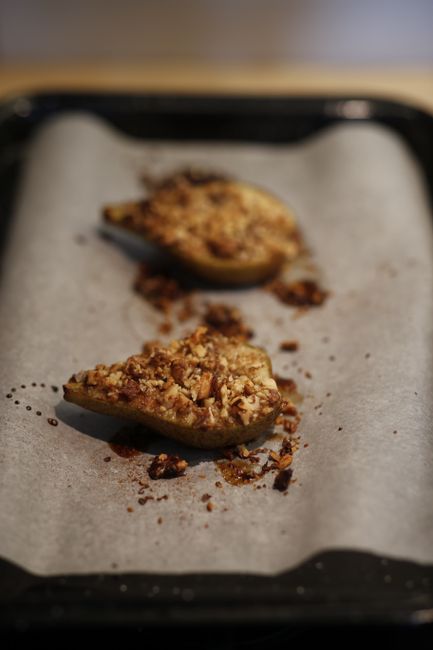
Apple and Pear Crumble: A Comprehensive Guide to This Comforting Dessert
Apple and pear crumble, a quintessential British dessert, offers a harmonious blend of sweet, tart fruits encased in a crunchy, buttery topping. Its simplicity belies its profound comfort and versatility, making it a beloved choice for both everyday indulgence and special occasions. This guide delves into every facet of apple and pear crumble, from ingredient selection and preparation to baking techniques and serving suggestions, aiming to equip home bakers with the knowledge to create the ultimate crumble experience.
The foundation of an exceptional apple and pear crumble lies in the quality and combination of fruits. Apples, with their inherent sweetness and varying degrees of tartness, provide a robust base. Popular choices include Bramley, known for its sharp flavour and excellent cooking properties which break down to create a smooth, saucy texture; Jonagold, offering a good balance of sweetness and acidity; and Honeycrisp, prized for its crisp texture and honeyed notes. Pears introduce a softer, more delicate sweetness and a wonderfully smooth texture when cooked. Varieties like Conference, Comice, or Anjou are ideal, as they soften beautifully without becoming overly mushy. A common ratio for a balanced crumble is roughly two-thirds apples to one-third pears, but this can be adjusted to personal preference. For a more pronounced pear flavour, increasing the pear proportion is perfectly acceptable. When preparing the fruit, it’s crucial to core and peel the apples and pears, then cut them into uniform, bite-sized pieces. This ensures even cooking. Leaving the skins on the pears can add a pleasing rustic texture and a subtle flavour enhancement, provided they are thoroughly washed. The size of the fruit pieces will influence the final texture; smaller pieces will break down more readily, resulting in a softer filling, while larger chunks will retain more structure.
Enhancing the fruit filling is key to elevating the crumble from good to extraordinary. Cinnamon is the classic companion to apples and pears, its warm, aromatic notes perfectly complementing their natural sweetness. Nutmeg adds a subtle earthiness, while ginger, either ground or finely grated fresh, provides a zesty kick that cuts through the richness. A pinch of cloves can introduce a deeper, more complex spice profile, but should be used sparingly to avoid overpowering the fruit. To balance the tartness of the apples and the sweetness of the pears, a touch of acidity is often beneficial. Lemon juice is the most common addition, its bright flavour brightening the fruit and preventing browning. A tablespoon or two is usually sufficient. For a more intense sweetness and a glossy finish, a spoonful of sugar is often added. Brown sugar, with its caramel undertones, is particularly well-suited to crumbles, but granulated white sugar or even a drizzle of honey or maple syrup can be used. The amount of sugar will depend on the inherent sweetness of the chosen fruits and personal preference. Some bakers also like to add a splash of alcohol to the fruit filling. Calvados, a French apple brandy, or a dry sherry can add a sophisticated depth of flavour. This is entirely optional and can be omitted for a non-alcoholic version.
The crumble topping is the textural counterpoint to the soft fruit filling, and its composition is crucial for achieving that satisfying crunch. The classic crumble ratio is typically 1:1:2 or 1:1:1.5 of flour, butter, and sugar respectively, but variations abound. All-purpose flour (plain flour) is the standard base, providing structure. Some bakers incorporate a small amount of ground almonds or oats into the flour mixture for added texture and flavour. Oats, particularly rolled oats, contribute a delightful chewiness and a slightly nutty taste. Ground almonds add richness and a delicate flavour. The fat element is almost universally butter, and cold butter is paramount. Cubed and chilled butter is rubbed into the dry ingredients using fingertips or a food processor until the mixture resembles coarse breadcrumbs. This process is critical for creating flaky, crisp clusters. Some recipes call for a portion of suet in the topping, which imparts a richer, more decadent texture and a slightly savoury note, though butter remains the dominant fat for most home cooks.
Sugar plays a dual role in the crumble topping: it contributes to sweetness and aids in browning and crisping. Caster sugar (superfine sugar) dissolves easily, creating a tender topping, while granulated sugar can produce a slightly coarser, crispier result. Brown sugar, as mentioned for the filling, can also be used in the topping to introduce caramel notes and a deeper colour. The amount of sugar can be adjusted to balance the sweetness of the fruit and the desired level of indulgence. For a truly indulgent crumble, some recipes incorporate a touch of spice into the topping, such as cinnamon or nutmeg, echoing the flavours in the fruit filling and creating a cohesive flavour profile.
The method of combining the topping ingredients is as important as their proportions. The goal is to work the cold butter into the flour and sugar until the mixture forms coarse, pea-sized crumbs. Overworking the mixture will melt the butter too much, resulting in a dense, greasy topping. The best way to achieve this is by using your fingertips, gently rubbing the ingredients together. Alternatively, a food processor can be used, pulsing the ingredients until the desired crumb consistency is reached. Care must be taken not to over-process, as this can also lead to a tough topping. Once the crumb mixture is ready, it should be stored in the refrigerator until needed. This keeps the butter cold, which is essential for creating a crisp topping during baking.
The baking process for apple and pear crumble is relatively straightforward but requires attention to detail to ensure both the fruit is tender and the topping is golden and crisp. A medium to hot oven, typically between 180°C (350°F) and 200°C (400°F), is ideal. The fruit filling should be placed in an ovenproof dish, and the crumble topping is then evenly scattered over the fruit, ensuring complete coverage. Some bakers prefer to leave a small border around the edge of the dish to prevent the topping from overflowing. For added visual appeal and crunch, a few extra knobs of butter can be dotted over the top of the crumble before baking. Baking time will vary depending on the size of the dish and the amount of fruit, but generally ranges from 30 to 50 minutes. The crumble is ready when the topping is golden brown and crisp, and the fruit filling is bubbling around the edges, indicating it is tender and cooked through. If the topping begins to brown too quickly, it can be loosely covered with aluminium foil to prevent it from burning.
To ensure the fruit is cooked through and tender, it’s often beneficial to pre-cook the fruit filling slightly before adding the topping. This can be done by gently simmering the chopped fruit with a little sugar, spice, and lemon juice on the stovetop for a few minutes until it begins to soften. This step helps to reduce the overall baking time and guarantees a perfectly cooked fruit base. Alternatively, some recipes call for baking the fruit filling for about 10-15 minutes on its own before adding the crumble topping, which also helps to achieve an even cook.
Serving apple and pear crumble is an integral part of the experience. Its warmth and comforting nature make it a perfect dessert for cooler evenings. Traditional accompaniments include hot custard, a rich and creamy vanilla-infused sauce, which perfectly complements the tartness of the fruit and the crispness of the topping. Vanilla ice cream, melting into the warm crumble, offers a delightful contrast in temperature and texture. Clotted cream, a thick, unsalted cream from the West Country of England, provides a luxurious richness. Whipped cream, lighter and airier, is also a popular choice. For a more contemporary twist, a dollop of Greek yogurt can offer a tangy counterpoint, while a drizzle of salted caramel sauce adds an extra layer of indulgence. The crumble is best served warm, allowing the flavours and textures to meld beautifully. Leftovers, if any, can be reheated gently in the oven.
Variations on the classic apple and pear crumble are numerous, offering endless possibilities for customization. Adding berries, such as raspberries or blueberries, to the fruit mixture introduces a burst of tartness and colour. Rhubarb, when in season, pairs exceptionally well with apples, its sharp flavour balanced by the sweetness of the fruit and crumble. For a more sophisticated flavour profile, a few slices of fresh ginger or a pinch of cardamom can be added to the fruit. Nuts, such as walnuts or pecans, can be toasted and added to the crumble topping for an extra crunch and nutty flavour. A sprinkle of desiccated coconut can also lend a tropical note. For those seeking a gluten-free option, the flour in the crumble topping can be replaced with a gluten-free flour blend, such as almond flour or a mix of rice flour and tapioca starch. Ensure all other ingredients are also gluten-free. Vegan variations are also achievable by substituting the butter with a plant-based alternative, such as vegan block butter or coconut oil.
The nutritional profile of apple and pear crumble, like many traditional desserts, is rich in carbohydrates and fats, making it a calorific but satisfying treat. The fruit provides dietary fibre, vitamins, and antioxidants, while the flour and butter contribute to its energy density. Portion control is advisable for those monitoring their intake. The sugar content can be moderated by reducing the amount added to both the fruit filling and the topping, or by relying more on the natural sweetness of the fruits. Using wholemeal flour in the topping can increase the fibre content.
Apple and pear crumble is more than just a dessert; it’s an embodiment of comfort and nostalgia. Its enduring popularity speaks to its timeless appeal. The interplay of textures – the yielding, warm fruit and the crisp, buttery topping – combined with the comforting spices and sweetness, creates an experience that is both deeply satisfying and remarkably adaptable. Whether enjoyed on a chilly evening or as a celebratory treat, this humble yet glorious dessert continues to hold a cherished place in kitchens around the world, a testament to its simple brilliance and universal appeal. Understanding the nuances of fruit selection, topping ratios, and baking techniques empowers home cooks to master this classic and create their own perfect apple and pear crumble, time and time again. The SEO value of this dessert is high due to its common search terms and popularity, making it a valuable topic for food blogs and recipe sites.
