
Awesome Sausage Apple And Cranberry Stuffing
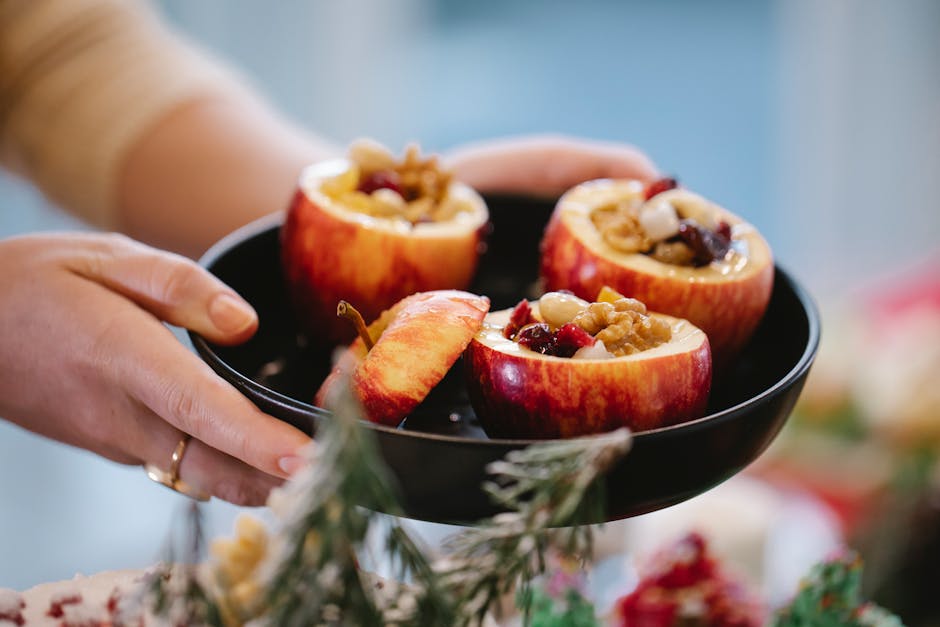
Sausage, Apple, and Cranberry Stuffing: A Culinary Masterpiece for Every Occasion
This article delves into the creation, variations, and culinary significance of a classic yet elevated stuffing: sausage, apple, and cranberry stuffing. Beyond its traditional Thanksgiving and holiday associations, this versatile dish offers a symphony of flavors and textures that make it a standout accompaniment to roasted poultry, pork, and even hearty vegetarian mains. We will explore the essential components that contribute to its success, from the type of sausage to the precise balance of sweetness, tartness, and savory richness. Furthermore, we will examine techniques for achieving the perfect stuffing consistency, discuss ingredient substitutions for dietary needs and personal preferences, and offer insights into its storage and reheating. The goal is to equip readers with the knowledge and confidence to not only replicate this delicious stuffing but also to adapt and personalize it, solidifying its place as a go-to recipe for any celebratory meal or comforting dinner.
The foundation of any exceptional sausage, apple, and cranberry stuffing lies in the quality of its ingredients, particularly the sausage. While any good quality pork sausage can work, choosing wisely significantly impacts the final flavor profile. Italian sausage, whether sweet or hot, provides a robust herbal note and a pleasant heat that complements the sweetness of the apples and the tartness of the cranberries. Breakfast sausage, often seasoned with sage and pepper, offers a more traditional, savory base. For a slightly richer and more complex flavor, consider using a good quality chorizo or even a smoked sausage like kielbasa, diced finely. The fat content of the sausage is also crucial; it renders during cooking, contributing moisture and flavor to the bread base. Aim for a sausage with a moderate fat content, around 20-30%, to avoid a greasy stuffing. Browning the sausage thoroughly in a skillet before incorporating it into the stuffing is a non-negotiable step. This process not only renders excess fat but also develops a Maillard reaction, imparting a deeper, more caramelized flavor that permeates the entire dish. Reserve some of the rendered fat, as it can be used to sauté the aromatic vegetables, adding another layer of savory complexity.
The interplay between sweet and tart elements is where the magic of apple and cranberry stuffing truly shines. Apples, when cooked, soften and release their natural sugars, providing a delightful sweetness that balances the savory sausage and the tang of the cranberries. A firm, slightly tart apple variety is ideal, as it holds its shape during baking and doesn’t turn to complete mush. Granny Smith, Honeycrisp, or Fuji apples are excellent choices. Core and dice the apples into roughly ½-inch pieces, leaving the skin on for added texture and nutrients. Cranberries, typically dried or fresh, introduce a bright, zesty counterpoint. Dried cranberries, also known as craisins, offer a concentrated sweetness and chewiness, while fresh cranberries, when simmered briefly, burst with a pleasant tartness. If using fresh cranberries, a quick blanch in boiling water or a short sauté will soften them and prevent them from being overly hard in the finished stuffing. The ratio of apple to cranberry is a matter of personal preference, but a balanced approach usually involves a slightly larger proportion of apple to cranberry to avoid overwhelming tartness. Some recipes also benefit from a hint of citrus zest, such as orange or lemon, to amplify the bright notes of the fruit.
The bread component is the structural and absorptive heart of any stuffing. The type of bread chosen dictates the texture and overall character of the final dish. Stale, day-old bread is paramount for stuffing. Fresh bread is too soft and will likely result in a soggy, paste-like consistency. The ideal bread should be sturdy enough to absorb moisture without disintegrating. Sourdough bread offers a tangy undertone that complements the other flavors beautifully. A good quality white bread, such as a French baguette or challah, will provide a richer, softer texture. For a more rustic and wholesome stuffing, whole wheat or multigrain bread can be used. The bread should be cubed into approximately ½ to ¾-inch pieces and ideally dried out further in a low oven (around 250°F or 120°C) until lightly toasted and crisp. This pre-drying step ensures that the bread can soak up the delicious cooking liquids without becoming overly dense. The amount of bread is also a key factor; too little bread and the stuffing will be overly moist and saucy; too much and it will be dry and crumbly. A good starting point is to have roughly equal volumes of bread and the wet ingredients.
Aromatic vegetables form the savory backbone, adding depth and complexity to the stuffing. The classic trio of onion, celery, and sometimes carrots forms an essential mirepoix. Yellow or sweet onions, finely diced, offer a gentle sweetness and a savory foundation. Celery, also finely diced, contributes a subtle herbaceous note and a pleasant crisp-tender texture. Some variations may include a small amount of finely minced carrots for a touch of sweetness and color, though this is less common in apple and cranberry stuffing. Sautéing these vegetables in the reserved sausage fat or butter until softened and translucent is crucial for developing their flavors. This slow, gentle cooking process mellows their raw pungency and releases their inherent sweetness. Garlic, minced, is another common addition that provides an unmistakable savory aroma and flavor. Be mindful not to burn the garlic, as it can turn bitter. Herbs play a vital role in elevating the stuffing from good to extraordinary. Fresh sage is almost synonymous with stuffing, its earthy, slightly peppery notes a perfect foil for the sweet and savory elements. Thyme, with its subtle lemony and minty undertones, also pairs beautifully. Rosemary, used sparingly, can add a piney complexity. Dried herbs can be used, but fresh herbs generally offer a brighter, more vibrant flavor. Add the herbs towards the end of the sautéing process to prevent them from scorching.
The binding and moistening agents are responsible for bringing all the elements together into a cohesive and flavorful dish. Chicken or turkey broth is the most common liquid used, providing moisture and a savory depth that complements the other ingredients. Vegetable broth can be used for a vegetarian option. The amount of broth needed will vary depending on the dryness of the bread and the desired consistency. Start with a conservative amount and add more as needed until the bread is moistened but not saturated. Melted butter adds richness and flavor, contributing to a tender crumb. Some recipes incorporate eggs as a binder, similar to a bread pudding. An egg or two, lightly beaten, can help create a more custardy texture and hold the stuffing together, especially if it is being baked separately. The salt and pepper should be adjusted to taste after all other ingredients are combined, as the sausage and broth will already contribute a significant amount of salt. A pinch of nutmeg or allspice can add a warm, subtle spice that enhances the overall flavor profile, particularly with the apples and cranberries.
Techniques for achieving the perfect stuffing consistency are crucial for success. Overly wet stuffing will be mushy and lack definition, while overly dry stuffing will be crumbly and unappealing. The key is to achieve a balance where the bread is fully hydrated but still retains some integrity. When adding the broth, do so gradually, stirring gently to incorporate. Allow the mixture to sit for at least 15-20 minutes before baking. This resting period allows the bread to fully absorb the liquid, ensuring even moisture distribution. For a crispier topping, the stuffing can be baked uncovered. For a more tender, moist interior with a slightly crisped exterior, cover the baking dish with foil for the initial portion of the baking time and then remove the foil for the last 15-20 minutes to allow the top to brown. The type of baking dish also plays a role. A ceramic or glass baking dish tends to distribute heat more evenly than a metal one, leading to more consistent cooking. Avoid overpacking the stuffing into the baking dish, as this can lead to uneven cooking and a denser texture. Loosely mounding the stuffing allows for better air circulation and a more desirable texture.
Variations and substitutions allow for personalization and cater to different dietary needs and preferences. For a vegetarian or vegan stuffing, omit the sausage and use a plant-based sausage alternative or increase the amount of sautéed vegetables and nuts. Consider adding chopped mushrooms, such as cremini or shiitake, for an umami-rich element. For a gluten-free stuffing, use a good quality gluten-free bread, ensuring it is dried out thoroughly. Quinoa or rice can also be used as a base for a gluten-free stuffing, though the texture will be significantly different. For those avoiding pork, turkey sausage or chicken sausage can be excellent substitutes. Lamb sausage can also add a unique flavor profile. Nuts, such as toasted pecans, walnuts, or almonds, can be incorporated for added crunch and a nutty flavor that complements the apples and cranberries. A splash of sherry or white wine added to the sautéed aromatics can deglaze the pan and add another layer of complexity to the stuffing. A touch of brown sugar can be added to the apples if a sweeter stuffing is desired, though this should be done judiciously to avoid overpowering the other flavors.
Storage and reheating of sausage, apple, and cranberry stuffing are straightforward, ensuring its deliciousness can be enjoyed beyond the initial meal. Once cooled completely, the stuffing can be stored in an airtight container in the refrigerator for up to 3-4 days. When reheating, the goal is to warm it through without drying it out. For best results, place the stuffing in a baking dish, add a tablespoon or two of broth or water, cover tightly with foil, and bake in a preheated oven at around 350°F (175°C) until heated through, typically 20-30 minutes. Remove the foil for the last 5-10 minutes if you desire a crispier top. Individual portions can also be reheated in the microwave, though the texture may be slightly softer. For a truly crispy exterior, consider reheating the stuffing on a baking sheet for the last few minutes of oven time. Freezing is also an option for longer-term storage. Ensure the stuffing is completely cooled before transferring it to a freezer-safe container or heavy-duty aluminum foil. Frozen stuffing can be stored for up to 2-3 months. Thaw overnight in the refrigerator before reheating using the oven method described above. Properly stored and reheated stuffing retains its delightful flavor and texture, making it a convenient and crowd-pleasing dish for any occasion. The savory, sweet, and tart notes of sausage, apple, and cranberry stuffing make it an indispensable part of any festive spread, offering a complex and satisfying flavor experience that consistently delights.
