Bank Indonesia Champions Nusantara’s Rich Cultural Tapestry Through Currency Design and Museum Exhibitions


Bank Indonesia (BI) is steadfastly committed to promoting the rich cultural heritage of the Indonesian archipelago, a mission it actively pursues through the Bank Indonesia Museum (MUBI) and the artistic designs adorning its Rupiah currency. This dual approach serves not only as a crucial endeavor in preserving national heritage but also as a powerful tool for enhancing public education and fostering a deeper appreciation for Indonesia’s diverse cultural wealth.
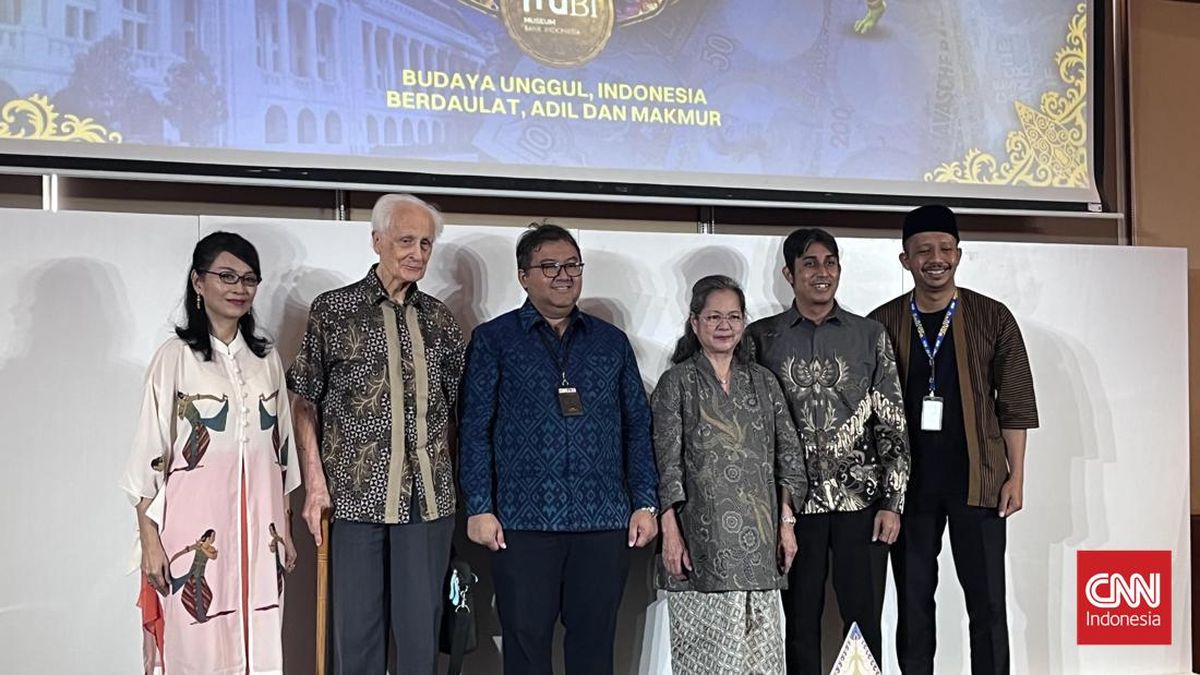
The central bank views the Bank Indonesia Museum as more than just a repository of historical artifacts; it is envisioned as a dynamic educational hub for the Indonesian populace. Sani Eka Duta, Director of BI’s Communication Department, elaborated on this philosophy during an informal central banking lecture commemorating the 17th anniversary of the Museum Bank Indonesia in Jakarta on Thursday, July 23rd. "You will notice that our currency always has two sides," Duta explained. "On one side, we feature Indonesian heroes, while on the reverse, we showcase traditional dances. Previous series have also highlighted the natural beauty of Indonesia."
Duta emphasized that the integration of cultural elements into Rupiah designs is a deliberate strategy by BI to continually remind the public of Indonesia’s profound cultural and artistic richness, urging its preservation. "Indonesia is a nation blessed with abundant culture and art," he stated. "The work undertaken by this museum will not cease. We will continue to host exhibitions to educate the public, underscoring Bank Indonesia’s role in safeguarding every facet of our national culture."
This year’s 17th anniversary celebration of the Museum Bank Indonesia prominently featured an exhibition with the theme "Remember Wayang, Remember Indonesia." This thematic choice was deliberate, aiming to impress upon younger generations the inextricable link between the nation’s economic journey and its cultural evolution. Duta further explained that the art of wayang (traditional Indonesian puppetry and performance) has played a significant role in the historical evolution of currency in Indonesia, tracing back to the era of De Javasche Bank’s currency issuance.
"MUBI seeks to remind us that the progression of culture is also recorded in the process of currency printing throughout history," Duta remarked. He also highlighted that the selection of the wayang theme was influenced by the current challenges faced by wayang orang (human wayang) performances, which necessitate broad support. "This initiative by Bank Indonesia is part of an effort to reintroduce the public to our extraordinary cultural heritage, wayang orang. We must support this so that our future generations do not only encounter wayang orang through images but also experience it firsthand," he urged.
A Deeper Dive into MUBI’s Role and Initiatives
Rio Wardhanu, Head of the Museum Bank Indonesia, articulated MUBI’s ongoing commitment to offering a diverse array of educational programs and cultural exhibitions. These initiatives are integral to BI’s pledge to bolster public literacy regarding Indonesia’s economic and cultural history. Wardhanu detailed that the museum routinely orchestrates programs such as guided museum tours led by certified educators, interactive educational sessions, and thematic exhibitions that draw connections between the history of central banking and the diverse cultures of the archipelago.
"This pivotal role underpins MUBI’s commitment to continuous innovation across all its functions and to providing the best possible service to all visitors," Wardhanu stated. The exhibition "Remember Wayang, Remember Indonesia" commenced on June 3rd, 2026, and is scheduled to run until the end of August, forming a key component of the 17th anniversary commemoration for the Museum Bank Indonesia.
Historical Context and Supporting Data
The inclusion of cultural motifs on currency is not a novel concept for Bank Indonesia. Throughout various issuance periods, the Rupiah has served as a canvas for national identity, showcasing not only economic milestones but also the vibrant tapestry of Indonesian culture.
- Early Rupiah Series: Even in the early days of the Rupiah, designs often featured elements of Indonesian life and nature, subtly weaving cultural representation into the fabric of everyday transactions.
- Pahlawan Series: The iconic "Pahlawan" (Heroes) series, which has been a staple for decades, prominently displays national heroes on one side, a direct acknowledgment of their sacrifices and contributions to Indonesia’s independence.
- Cultural Depictions: The reverse sides of these notes have frequently depicted traditional Indonesian dances, traditional houses, flora, and fauna, serving as miniature galleries of the nation’s biodiversity and cultural practices. For instance, specific denominations have featured iconic dances like the Tari Saman from Aceh or the Tari Kecak from Bali, instantly recognizable symbols of Indonesian cultural richness.
- Natural Wonders: Past currency series have also paid homage to Indonesia’s breathtaking natural landscapes, from volcanic peaks to underwater paradises, further emphasizing the nation’s unique geographical and ecological heritage.
The Bank Indonesia Museum itself has a history dating back to its establishment in 1989, though its current iteration and expanded role in cultural education have been solidified over the past 17 years. The museum’s collection spans a vast array of artifacts related to the history of banking and currency in Indonesia, from pre-colonial coinage to modern Rupiah notes and coins. It also houses exhibits detailing the economic history of Indonesia and the role of the central bank in national development.
The Significance of "Ingat Wayang, Ingat Indonesia"
The choice of wayang as the central theme for the 17th-anniversary exhibition is particularly poignant. Wayang, in its various forms, is recognized by UNESCO as a Masterpiece of Oral and Intangible Heritage of Humanity. Its narratives often convey moral lessons, philosophical insights, and historical accounts, deeply ingrained in the Indonesian psyche.
The exhibition aims to bridge the gap between traditional art forms and contemporary economic understanding. By highlighting wayang’s historical connection to currency, BI is demonstrating how culture and commerce have always been intertwined in Indonesia’s development. This connection can be seen in the historical use of wayang performances as a means of public communication and education, a role that currency also fulfills in its own way.
Furthermore, the exhibition addresses the pressing need to revitalize interest in traditional arts. Wayang performances, like many traditional art forms globally, face challenges in retaining relevance among younger generations who are increasingly exposed to globalized entertainment. BI’s support, through such exhibitions, can significantly contribute to the preservation and promotion of these invaluable cultural assets.
Broader Impact and Implications
Bank Indonesia’s strategic emphasis on cultural preservation through its currency and museum initiatives carries significant implications:
- National Identity and Pride: By consistently featuring cultural elements, BI reinforces a strong sense of national identity and pride among Indonesians. The Rupiah becomes more than just a medium of exchange; it is a tangible symbol of cultural heritage that citizens carry with them daily.
- Cultural Diplomacy: The designs on Rupiah notes and the cultural narratives shared through MUBI serve as a form of cultural diplomacy, introducing Indonesia’s rich heritage to international visitors and global audiences. This can foster greater understanding and appreciation of Indonesian culture on a global scale.
- Economic Education Beyond Numbers: BI’s approach enriches economic education by demonstrating that a nation’s wealth is not solely measured by economic indicators but also by its cultural capital. This holistic perspective can foster a more balanced and appreciative view of national progress.
- Support for the Creative Economy: By highlighting traditional arts like wayang, BI indirectly supports the creative economy. Increased public awareness and appreciation can lead to greater demand for traditional art forms, benefiting artisans and performers.
- Intergenerational Connection: The museum’s educational programs and the cultural themes on currency can act as a bridge between generations, facilitating the transfer of cultural knowledge and values from older generations to younger ones.
The commitment of Bank Indonesia, through the Museum Bank Indonesia and its currency design policies, to the celebration and preservation of Nusantara’s cultural wealth is a testament to its understanding of the holistic nature of national development. It signifies a forward-thinking approach that recognizes the enduring power of culture in shaping identity, fostering education, and enriching the economic and social fabric of the nation. The continued efforts to integrate and showcase these cultural treasures ensure that Indonesia’s heritage remains vibrant and accessible for generations to come.
Related posts: