
Barbecue Beef For Sandwiches
The Ultimate Guide to Barbecue Beef for Sandwiches: Flavor, Techniques, and Perfect Pairings
Barbecue beef for sandwiches transcends simple pulled pork or sliced brisket; it represents a culinary canvas for smoky, savory, and tender meat that forms the heart of an iconic American meal. Achieving this perfect barbecue beef requires a deep understanding of meat selection, cooking methods, seasoning, and the crucial element of sauce. Whether you’re aiming for the melt-in-your-mouth texture of slow-smoked brisket, the zesty tang of chopped chuck roast, or the rich depth of beef burnt ends, this comprehensive guide will equip you with the knowledge to create exceptional barbecue beef for your sandwich creations.
The foundation of outstanding barbecue beef lies in the cut of meat chosen. For classic pulled beef, shoulder cuts like the chuck roast are ideal due to their high fat and connective tissue content. These elements break down during the long, slow cooking process, rendering the meat incredibly tender and moist. A boneless beef chuck roast, typically weighing between 3-5 pounds, is a popular and accessible choice. Alternatively, the brisket flat (leaner) or point (fattier) can be used, offering a more traditional barbecue experience with its distinct grain and rendered fat pockets. For those seeking a quicker, yet still delicious, option, top round or bottom round roasts can be used, though they require careful attention to avoid dryness. The key is to select a cut that benefits from slow cooking to achieve that characteristic barbecue tenderness. Fat is your friend in barbecue; it contributes significantly to moisture and flavor, so don’t shy away from well-marbled cuts.
Several cooking methods can yield superb barbecue beef for sandwiches, each with its unique advantages. Smoking is the quintessential method, infusing the meat with deep, complex smoky flavors from wood chips or chunks. Popular wood varieties include hickory, mesquite, and oak, each imparting a distinct profile. Low and slow is the mantra for smoking, typically at temperatures between 225°F and 275°F (107°C to 135°C) for extended periods, often 1-2 hours per pound. This patient approach allows the connective tissues to gelatinize, transforming tough cuts into succulent meat. Oven braising offers a more accessible alternative, especially for those without access to a smoker. This method involves searing the beef roast and then simmering it in a flavorful liquid (broth, beer, or even a barbecue sauce base) in a covered oven-safe pot or Dutch oven. Temperatures for oven braising usually range from 300°F to 325°F (150°C to 160°C), with cooking times varying but generally falling in the 3-5 hour range for a chuck roast. Another effective method is the slow cooker, which provides unparalleled convenience. Simply place your seasoned roast in the slow cooker with liquid and cook on low for 8-10 hours or on high for 4-5 hours. While it may not impart the same smoky depth as a traditional smoker, the slow cooker guarantees fork-tender results. Pressure cookers are also gaining popularity for barbecue beef due to their speed. A chuck roast can be tenderized in a pressure cooker in as little as 45-60 minutes, although the texture might be slightly different than slow-cooked versions.
The flavor profile of barbecue beef is significantly shaped by its seasoning. A fundamental element is the "rub," a dry blend of spices applied to the surface of the meat before cooking. A classic Texas-style rub often features coarse salt, black pepper, and garlic powder. However, variations abound. Many recipes incorporate paprika (sweet or smoked), chili powder, cayenne pepper for heat, brown sugar for a touch of sweetness and caramelization, and onion powder. The rub not only adds flavor but also helps form a desirable crust, often referred to as the "bark," especially in smoked meats. For oven-braised or slow-cooked beef, the rub can be applied before searing or adding to the braising liquid. Marinades can also play a crucial role, particularly for less fatty cuts, as they can tenderize and infuse flavor from the inside out. Common marinade ingredients include acidic components like vinegar (apple cider or red wine), Worcestershire sauce, soy sauce, and citrus juices, combined with aromatics like garlic, onion, and herbs, and often a touch of oil.
The barbecue sauce is the crowning glory for many barbecue beef sandwiches. While store-bought sauces are convenient, crafting your own allows for ultimate control over flavor. A foundational barbecue sauce typically includes a tomato base (ketchup or tomato paste), vinegar (apple cider is classic), sweeteners (brown sugar, molasses, honey), and a blend of spices. Popular additions include mustard, Worcestershire sauce, liquid smoke, hot sauce, and various dried herbs and spices. The balance of sweet, tangy, and savory is crucial. Some sauces are thin and vinegar-based (Carolina style), others are thicker and sweeter (Kansas City style), and some are smoky and rich. For beef, particularly richer cuts like brisket, a slightly bolder, often spicier or more savory sauce can complement the meat’s inherent flavor without overpowering it. The sauce can be brushed onto the meat during the final stages of cooking (especially for smoking) or mixed in after the beef is shredded or chopped.
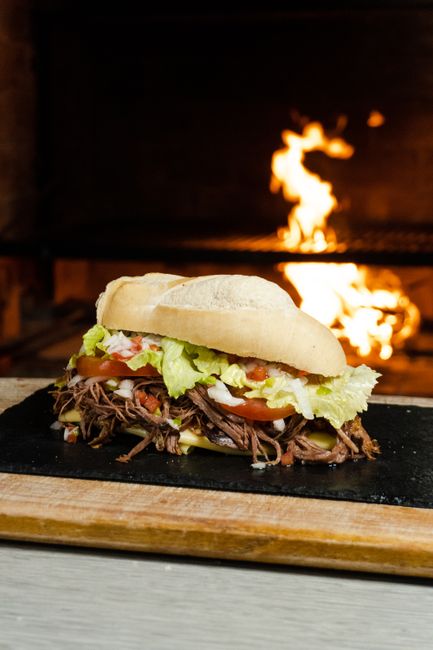
Preparing the beef for sandwich assembly is a critical step. Once cooked and tender, the beef needs to be pulled or chopped. For pulled beef, the meat is typically shredded using two forks or gloved hands, separating the fibers. This process is easiest when the meat is still warm but not piping hot. For chopped beef, particularly brisket, the meat is finely diced, often with some of the rendered fat and crust incorporated for maximum flavor. This can be achieved with a sharp knife or a meat chopper. The texture of the prepared beef directly influences the sandwich experience. Pulled beef offers a softer, more yielding bite, while chopped beef provides a more distinct textural contrast.
The bun selection is equally important for a successful barbecue beef sandwich. The bun should be sturdy enough to hold the generous portion of meat without disintegrating, yet soft enough to yield to the bite. Brioche buns, with their slightly sweet, buttery flavor and tender crumb, are an excellent choice. Potato rolls offer a soft texture and slight sweetness that pairs well with barbecue. Classic white or wheat sandwich rolls also work well, especially if they are fresh and have a good crust. For a more rustic feel, consider a crusty baguette or sourdough roll, though these might require a slightly less saucy beef to prevent sogginess. Toasting the bun is a simple but effective technique to add texture and prevent it from becoming saturated with sauce. A light toasting with butter or even some rendered beef fat can elevate the entire sandwich.
Beyond the beef and bun, the accompaniments play a vital role in completing the barbecue beef sandwich. Classic sides include coleslaw, offering a refreshing crunch and tangy contrast to the rich meat. Pickles, whether dill or bread-and-butter, provide a sharp, briny counterpoint. Onions, either raw and thinly sliced for a pungent bite or caramelized for sweetness, are another popular addition. Cheese can also be a welcome addition, with cheddar, Monterey Jack, or even a smoky Gouda pairing well. However, the true beauty of barbecue beef is its versatility. Some purists prefer their sandwiches unadorned, letting the quality of the beef and sauce shine. Others embrace a multitude of toppings, from jalapeños for extra heat to a drizzle of extra barbecue sauce. The key is to create a harmonious balance of flavors and textures.
When it comes to barbecue beef for sandwiches, the ultimate goal is to achieve a result that is both deeply flavorful and incredibly satisfying. This involves a thoughtful approach to every stage, from selecting the right cut of meat to carefully choosing your accompaniments. Whether you prefer the smoky intensity of slow-smoked brisket, the comforting tenderness of oven-braised chuck roast, or the convenience of a slow cooker preparation, mastering these techniques will elevate your sandwich game. Experiment with different rubs, explore the nuances of various barbecue sauces, and don’t underestimate the impact of the bun and the supporting cast of toppings. The journey to the perfect barbecue beef sandwich is one of delicious discovery, and with these insights, you’re well on your way to creating a truly memorable culinary experience. The careful consideration of meat quality, cooking methodology, seasoning intricacies, sauce composition, and thoughtful assembly will consistently yield exceptional results.
