
Basic Seitan Wheat Meat Vegan Meat Substitute
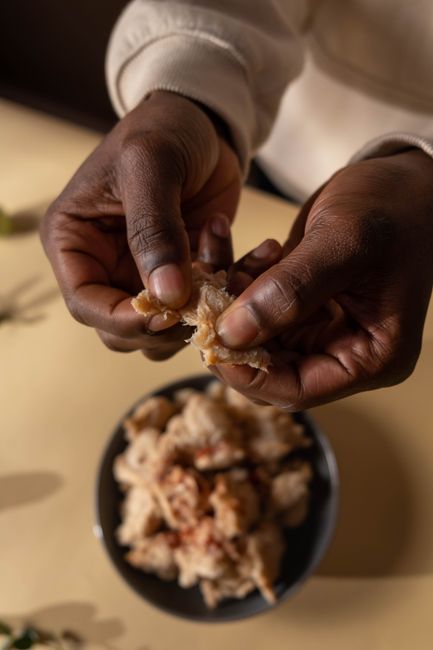
Seitan: The Ultimate Guide to Wheat Meat and its Vegan Applications
Seitan, often referred to as wheat meat, is a highly versatile and protein-rich vegan meat substitute derived from vital wheat gluten, the primary protein found in wheat. Its unique chewy texture and ability to absorb flavors make it an exceptional ingredient for replicating the mouthfeel and culinary possibilities of traditional meat. Understanding seitan’s composition, preparation, and diverse applications is crucial for anyone seeking to enhance their plant-based diet with a satisfying and nutritious protein source. At its core, seitan is created by washing away the starch from wheat flour, leaving behind the elastic gluten strands. This process results in a dense, fibrous protein that, when seasoned and cooked, can be transformed into a wide array of meat-like dishes.
The foundational ingredient for seitan is vital wheat gluten. This is essentially the concentrated protein extracted from wheat flour. When flour is mixed with water and kneaded, the gluten proteins form an elastic network. Traditional seitan preparation involves rinsing away the soluble starches and bran from a dough made from wheat flour and water. This laborious process concentrates the gluten. In modern, home-based preparations, using pre-made vital wheat gluten flour significantly simplifies the process and offers greater control over the final texture and flavor. Vital wheat gluten is readily available in most health food stores and well-stocked supermarkets, making seitan accessible for both novice and experienced vegan cooks. The quality and source of vital wheat gluten can subtly influence the final product, so opting for reputable brands is often recommended.
The process of making seitan at home, while requiring a few steps, is rewarding and allows for complete customization. The basic method involves combining vital wheat gluten with seasonings, liquids (such as vegetable broth, soy sauce, or water), and sometimes binders or flavor enhancers like nutritional yeast or spices. This mixture is then kneaded to develop the gluten structure. The dough is subsequently shaped and cooked, typically by simmering or steaming in broth. This simmering process not only cooks the seitan but also infuses it with the flavors of the broth and seasonings, contributing significantly to its overall taste profile. Simmering in a flavorful broth is a common and highly effective method for achieving a tender yet firm seitan. Alternative cooking methods like baking or pan-frying can also be employed, often after an initial simmering or steaming stage, to achieve different textures.
The nutritional profile of seitan makes it an attractive option for vegans and vegetarians. It is exceptionally high in protein, with a typical serving providing a substantial amount of essential amino acids. This makes it an excellent choice for individuals looking to meet their protein requirements without consuming animal products. Seitan is also naturally low in fat, particularly saturated fat, which is a key advantage for those prioritizing cardiovascular health. While it contains carbohydrates from the wheat, the focus is on its protein content. It’s important to note that seitan is not a complete protein in the same way that animal products are, meaning it may be lower in certain essential amino acids, like lysine. However, when incorporated into a varied vegan diet that includes legumes, grains, nuts, and seeds, the amino acid profile is easily balanced. The sodium content can vary significantly depending on the broths and seasonings used, so monitoring this aspect is advisable for those managing their sodium intake.
The versatility of seitan in culinary applications is its most compelling attribute. Its firm, chewy texture allows it to mimic a wide range of meats. It can be sliced, diced, ground, or shredded to suit various recipes. This adaptability means seitan can be used in everything from stir-fries and stews to sandwiches and roasts. Its porous nature makes it an excellent vehicle for absorbing marinades and sauces, allowing for deep flavor penetration. Whether you’re aiming for a smoky BBQ pulled "pork" or a savory "beef" stew, seitan can deliver. This ability to adapt to different culinary styles is a significant reason for its popularity within the vegan community.
When preparing seitan at home, the flavor combinations are virtually limitless. Basic seasonings like garlic powder, onion powder, smoked paprika, and black pepper are excellent starting points. For a more umami-rich flavor, soy sauce, tamari, liquid smoke, nutritional yeast, and mushroom powder are highly recommended. The type of liquid used for simmering also plays a critical role in the final taste. Vegetable broth provides a neutral base, while a robust mushroom broth or a dashi-inspired broth can add significant depth. Herbs such as rosemary, thyme, and sage can also be incorporated for aromatic complexity. Experimentation is key to discovering personalized seitan flavor profiles.
The texture of seitan can be manipulated through various techniques and ingredient additions. For a more tender and yielding texture, some recipes incorporate ingredients like mashed beans, lentils, or even tofu into the vital wheat gluten mixture. These additions can also contribute to a more balanced amino acid profile. Conversely, for a firmer, denser seitan, simply using vital wheat gluten, water, and seasonings will yield a more traditional, chewy result. The kneading process is also critical; over-kneading can result in a tough seitan, while under-kneading may lead to a crumbly texture. Achieving the desired texture often comes with practice and understanding the properties of vital wheat gluten.
Seitan can be prepared in advance and stored for later use, making it a convenient meal prep ingredient. Once cooked and cooled, seitan can be refrigerated for several days or frozen for longer storage. This allows for quick and easy meal assembly throughout the week. When reheating, it’s often beneficial to reintroduce some moisture to prevent it from drying out. This can be achieved by gently simmering it in broth or sauce, or by pan-frying with a bit of oil. Properly stored, cooked seitan maintains its texture and flavor, ensuring it remains a delicious and reliable component of vegan meals.
Beyond simple home preparation, there are numerous commercially available seitan products that offer convenience and diverse flavor profiles. These range from pre-seasoned seitan steaks and roasts to seitan-based deli slices and sausages. While these products can be a great time-saver, understanding the homemade process provides a deeper appreciation for the ingredient and allows for greater control over ingredients and nutrition. Many commercially produced seitan products will include binders, flavorings, and preservatives, which can be a consideration for those seeking entirely whole-food, plant-based options.
The culinary applications of seitan extend to mimicking specific meat types. For instance, to create a "chicken" substitute, milder seasonings and perhaps a lighter broth are often used. For "beef" or "pork" substitutes, richer, deeper flavors are employed, often with the addition of smoky notes and umami-rich ingredients. Ground seitan can be used to create vegan burgers, meatballs, or taco fillings. Shredded seitan is excellent for pulled "pork" sandwiches or as a topping for pizzas and salads. Sliced seitan can be pan-fried and served as cutlets or incorporated into sandwiches and wraps. The possibilities are truly extensive.
When considering seitan as a protein source, it’s important to compare it with other vegan protein options. Legumes, such as beans and lentils, are also excellent sources of protein and fiber, but they typically have a softer texture and a different flavor profile. Tofu and tempeh, made from soybeans, offer different textures and flavor bases. Tofu is soy-based and can be pressed to achieve various textures, while tempeh is fermented soybeans, providing a firmer, nuttier option. Seitan stands out for its ability to closely replicate the chewy, fibrous texture of meat, making it a preferred choice for those who miss this aspect of meat consumption.
The gluten content of seitan means it is not suitable for individuals with celiac disease or gluten sensitivity. For those with these conditions, alternative protein sources such as tofu, tempeh, lentils, beans, and quinoa are recommended. It’s crucial to be aware of dietary restrictions and to make informed choices about food ingredients. The processing of vital wheat gluten from wheat flour means that any residual gluten is highly concentrated, making it a non-option for strict gluten-free diets.
In summary, seitan, or wheat meat, is a fundamental and highly adaptable vegan protein derived from vital wheat gluten. Its preparation involves concentrating the gluten from wheat flour, resulting in a fibrous and chewy ingredient that can be seasoned and cooked to mimic a wide array of meat textures and flavors. Rich in protein and low in fat, seitan offers a satisfying and nutritious alternative for plant-based diets. Its versatility allows for its incorporation into countless dishes, from simple stir-fries to complex roasts. While commercially available options exist, understanding the homemade preparation process empowers individuals to customize flavor, texture, and nutritional content. For those without gluten restrictions, seitan remains an invaluable tool for creating delicious and hearty vegan meals, contributing significantly to a balanced and varied plant-based lifestyle. Its capacity to absorb marinades and its substantial texture make it a cornerstone ingredient for achieving authentic meat-like experiences in vegan cuisine.
