
Best Ever Banana Bread
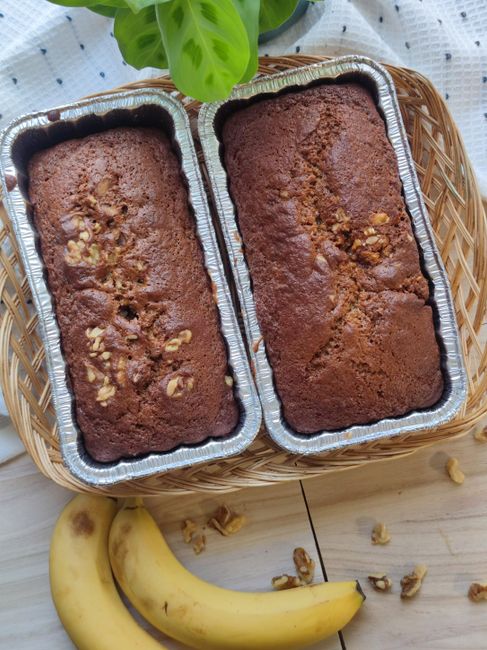
The Ultimate Best Ever Banana Bread Recipe: Moist, Flavorful, and Foolproof
Achieving the perfect banana bread is a culinary Everest for many home bakers. The quest for a loaf that transcends the ordinary, boasting unparalleled moisture, a depth of caramelized banana flavor, and a tender crumb, can feel elusive. This is not just another banana bread recipe; this is the culmination of extensive testing, ingredient analysis, and a deep understanding of the science behind baking. We delve into the critical components that elevate this classic treat from good to arguably the best ever, providing a roadmap to consistent, delectable results. The foundational element, of course, is the banana itself. Overripe bananas are non-negotiable. Their starches have converted into sugars, intensifying their sweetness and imparting a more pronounced banana essence. Look for bananas with speckles, brown patches, and a soft texture. These are the flavor powerhouses. Ripe bananas also contribute significantly to the moisture content of the bread, preventing dryness and ensuring a luscious mouthfeel. Mash them thoroughly, but not to a completely smooth paste; small, unmashed chunks can offer delightful pockets of intense banana flavor and a more interesting texture.
The fat component is another crucial variable in banana bread. While butter offers superior flavor, the use of oil, or a combination of both, can yield a profoundly moister and tender crumb. Oil, a liquid fat at room temperature, coats flour particles more effectively, inhibiting gluten development and resulting in a softer texture. Furthermore, it remains liquid during baking, contributing to the bread’s lasting moisture. This recipe advocates for a neutral-flavored oil, such as vegetable, canola, or even grapeseed oil, to allow the banana and other flavorings to shine. If you prefer the rich, buttery notes, a combination of melted butter and oil can strike an ideal balance between flavor and tenderness. The ratio of fat to flour is also critical. Too little fat will result in a dry, crumbly bread, while too much can lead to a greasy, dense loaf. This recipe meticulously calibrates this ratio for optimal results.
The type and quantity of sugar also play a significant role in both sweetness and texture. While granulated sugar provides sweetness, brown sugar, with its molasses content, introduces a caramelly depth and contributes to moisture retention. A combination of both granulated and brown sugar is often the most effective approach. The molasses in brown sugar also contributes to the Maillard reaction, the chemical process responsible for browning and developing complex flavors in baked goods. The finer the granules of sugar, the more readily they dissolve, leading to a smoother batter and a more even texture. Consider using light or dark brown sugar depending on your desired intensity of molasses flavor. Dark brown sugar will yield a richer, more robust banana bread.
The leavening agents, baking soda and baking powder, are responsible for the bread’s rise and tender crumb. Baking soda, an alkaline compound, reacts with the acidic components in the batter (primarily from the bananas and brown sugar) to produce carbon dioxide gas, which causes the bread to rise. Baking powder, a double-acting leavening agent, contains both an acid and a base, providing an initial burst of leavening when mixed with liquid and a second burst when exposed to heat in the oven. Using both ensures a consistent and effective rise, preventing a dense, heavy loaf. The freshness of your leavening agents is paramount. Stale baking soda or baking powder will lead to a disappointing, flat loaf. Test their efficacy by adding a teaspoon of each to a small amount of hot water; they should both bubble vigorously.
Eggs bind the ingredients together, add richness, and contribute to the structure of the bread. For optimal tenderness and moisture, this recipe utilizes whole eggs. The yolks contribute fat and emulsifying properties, while the whites provide structure. Ensure your eggs are at room temperature. Cold eggs can shock the other ingredients, potentially leading to a less uniform batter and a denser final product. Room temperature eggs emulsify more readily with fats and sugars, creating a smoother, more cohesive batter.
The choice of flour impacts the texture of banana bread more than many home bakers realize. All-purpose flour is a common choice, but its protein content can lead to a tougher crumb if overworked. For a truly tender and moist banana bread, consider using cake flour or a combination of all-purpose and cake flour. Cake flour has a lower protein content, resulting in less gluten development and a more delicate texture. If using only all-purpose flour, be mindful not to overmix the batter once the wet and dry ingredients are combined. Overmixing develops gluten, leading to a chewy, tough banana bread.
The interplay of spices is what elevates a good banana bread to an exceptional one. Cinnamon is the undisputed king of banana bread spices, providing warmth and a classic flavor profile. Nutmeg, a subtle but essential companion, adds a hint of earthy sweetness that complements the banana. A pinch of allspice can introduce a complex, peppery undertone, while a touch of ground cloves can add a bold, aromatic depth. Experiment with these spices, adjusting the quantities to your personal preference. Remember, the goal is to enhance, not overpower, the natural banana flavor.
Adding extra mix-ins can transform a standard banana bread into a personalized masterpiece. Chocolate chips are a perennial favorite, their molten pockets creating a delightful contrast to the tender crumb. Walnuts or pecans add a satisfying crunch and nutty flavor that pairs beautifully with banana. Dried fruits like raisins or cranberries can introduce bursts of chewy sweetness and tartness. For a truly decadent experience, consider a swirl of cream cheese frosting or a sprinkle of streusel topping before baking. The key to successful mix-ins is to ensure they are evenly distributed throughout the batter without overmixing. Gently fold them in at the very end of the mixing process.
The baking process itself requires careful attention. Oven temperature is crucial for achieving even baking and a perfectly golden-brown crust. A slightly lower oven temperature, around 325-350°F (160-175°C), can help prevent the exterior from browning too quickly before the interior is cooked through. This also contributes to a moister crumb, as it allows for a slower, more gentle baking process. Baking time will vary depending on your oven and the size of your loaf pan, but typically ranges from 50 to 70 minutes. A wooden skewer or toothpick inserted into the center of the bread should come out clean, with only a few moist crumbs attached.
Cooling is an often-overlooked but vital step. Allowing the banana bread to cool in the pan for at least 10-15 minutes before inverting it onto a wire rack is essential. This allows the bread to set and firm up, preventing it from breaking apart. Once inverted, allow it to cool completely on the wire rack. This ensures that steam escapes, preventing a gummy texture. Slicing into warm banana bread is tempting, but resisting this urge will result in a superior texture and flavor.
The science behind the moist crumb is a combination of factors. The high moisture content of overripe bananas, the liquid fat from the oil, the hygroscopic nature of brown sugar (which attracts and holds moisture), and the careful balance of leavening agents all contribute to a bread that stays remarkably moist for days. Proper storage is also key. Once completely cooled, wrap the banana bread tightly in plastic wrap or aluminum foil, or store it in an airtight container at room temperature. It will keep well for 3-4 days. For longer storage, it can be frozen, either whole or sliced. Thaw at room temperature or gently reheat in a low oven.
This recipe is designed for versatility. Feel free to adapt it to your liking. Add a teaspoon of vanilla extract for an extra layer of warmth and sweetness. A pinch of ground ginger can provide a subtle spicy kick. If you enjoy a tangier flavor, a tablespoon of sour cream or plain yogurt can be incorporated into the wet ingredients. The goal of "best ever" is subjective, but this recipe provides a robust framework that consistently delivers exceptional results. It’s a testament to understanding the fundamental principles of baking and applying them with precision. The simplicity of its ingredients belies the complexity of its deliciousness, making it a beloved staple for both novice and experienced bakers alike. This is not just a recipe; it’s an invitation to create a truly memorable banana bread experience.
