
Bitter Melon And Black Bean Sauce Beef 3
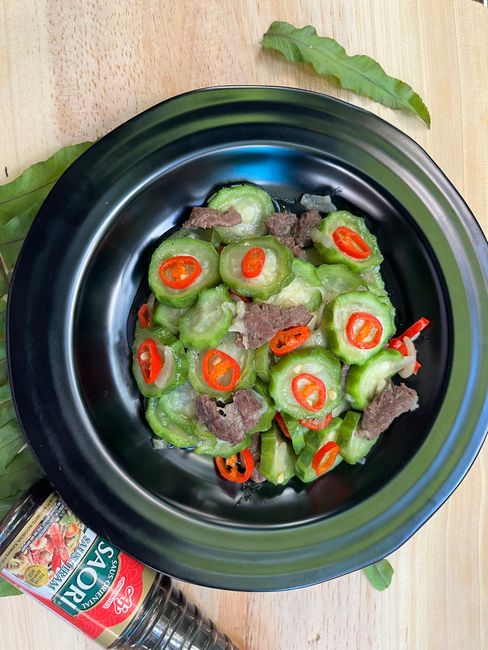
Bitter Melon and Black Bean Sauce Beef: A Culinary Exploration of Flavor and Health
Bitter melon and black bean sauce beef, a seemingly simple stir-fry, is a complex symphony of contrasting flavors and textures that tantalizes the palate and offers significant nutritional benefits. This dish, a staple in many Chinese households and increasingly popular in Westernized Asian cuisine, combines the intensely bitter notes of bitter melon with the savory depth of fermented black beans, all brought together by tender strips of beef. Understanding the nuances of this dish requires delving into the properties of its key ingredients, exploring the cooking techniques involved, and appreciating its cultural significance and health implications.
Bitter melon, scientifically known as Momordica charantia, is a gourd-like vegetable renowned for its distinctive, assertive bitterness. This bitterness stems from a group of compounds called charantins, alkaloids, and vicine. Far from being a deterrent, this bitterness is precisely what makes it so prized in culinary applications, particularly in Asian cooking, where it is believed to have potent medicinal properties. The preparation of bitter melon is crucial to its enjoyable consumption. Its bitterness can be significantly reduced by blanching it in boiling water, often with a pinch of salt or a splash of vinegar. This process not only mellows the bitterness but also helps to preserve its vibrant green color and crisp texture. The seeds and pith are typically removed, and the melon is then sliced thinly or into bite-sized pieces. Its inherent texture, a firm yet yielding crispness when cooked properly, provides a delightful counterpoint to the succulence of the beef.
Black bean sauce, the other star of this dish, is a condiment derived from fermented black soybeans. These are not the same black beans used in many Western dishes; instead, they are small, hard, and intensely savory. The fermentation process, often involving salting and aging, transforms them into small, dark pebbles that release a powerful umami flavor. The sauce itself, typically made by stir-frying these fermented beans with garlic, ginger, soy sauce, and sometimes a touch of sugar or Shaoxing wine, is deeply aromatic and rich. It acts as the primary flavor base for the beef, infusing it with a complex, salty, and subtly sweet profile. The quality of the fermented black beans is paramount; superior beans yield a more nuanced and less harsh flavor. When prepared as a sauce, the beans are often mashed or finely chopped, creating a thick, glossy coating that clings beautifully to the ingredients.
The beef component of this dish is usually thinly sliced sirloin, flank steak, or tenderloin. The key to tender and flavorful beef lies in the marination and cooking technique. A typical marinade for beef stir-fry includes soy sauce, Shaoxing wine, cornstarch, a touch of oil, and sometimes a pinch of white pepper. The soy sauce provides salinity and umami, the Shaoxing wine adds depth and aroma, the cornstarch helps to tenderize the meat and create a silky texture by locking in moisture during cooking, and the oil prevents sticking and contributes to a richer mouthfeel. The beef is typically marinated for at least 15-30 minutes. For stir-frying, a very hot wok is essential. The beef is cooked in batches to avoid overcrowding the pan, which would steam the meat rather than sear it, leading to toughness. The goal is to achieve a quick sear, caramelizing the exterior while keeping the interior tender and juicy.
The culinary interplay between bitter melon and black bean sauce beef is what elevates this dish beyond a simple stir-fry. The initial burst of bitterness from the melon is immediately met by the rich, savory, and slightly sweet embrace of the black bean sauce coating the tender beef. This contrast is not jarring but rather harmonious, with each element enhancing the other. The bitterness of the melon cuts through the richness of the beef and sauce, preventing the dish from becoming overly heavy or cloying. Conversely, the savory depth of the black bean sauce complements the slightly vegetal, refreshing quality of the bitter melon. The textural contrast is equally important: the crisp-tender bite of the bitter melon against the yielding succulence of the beef creates a dynamic eating experience.
Nutritionally, bitter melon is a powerhouse. It is exceptionally low in calories and carbohydrates but rich in vitamins and minerals. It is a good source of vitamin C, a powerful antioxidant crucial for immune function and skin health. It also contains significant amounts of vitamin A, important for vision, and folate, essential for cell growth and development. Bitter melon is particularly celebrated for its potential blood sugar-lowering properties. Compounds like charantin and polypeptide-p are believed to mimic the action of insulin, helping to improve glucose uptake and utilization by the body. This makes it a sought-after ingredient for individuals managing diabetes or seeking to regulate their blood sugar levels. While more research is needed, the traditional use of bitter melon for this purpose is widespread. It also contains antioxidants like flavonoids and phenolic acids, which combat oxidative stress and inflammation.
Black beans, the foundation of the sauce, are also nutritionally dense. They are an excellent source of plant-based protein and dietary fiber, both of which contribute to satiety and aid in digestion. Fiber is crucial for maintaining a healthy gut microbiome and can help regulate blood sugar levels by slowing down the absorption of glucose. Black beans are also rich in iron, an essential mineral for oxygen transport in the blood, and magnesium, which plays a role in over 300 biochemical reactions in the body, including muscle and nerve function, and blood pressure regulation. Furthermore, they are a good source of antioxidants.
The beef, while a source of protein and iron, also brings with it saturated fat, depending on the cut chosen. Opting for leaner cuts like sirloin or flank steak can mitigate this. The overall nutritional profile of the dish can be balanced by serving it with a generous portion of steamed rice and perhaps a side of steamed greens like bok choy or gai lan. The carbohydrates from the rice provide energy, and the greens add further vitamins, minerals, and fiber.
The cooking process for bitter melon and black bean sauce beef typically involves several distinct steps. First, the bitter melon is prepared: sliced, de-seeded, and often blanched to reduce bitterness. The beef is thinly sliced against the grain to ensure tenderness and then marinated. Aromatics such as minced garlic and ginger are prepared. The black bean sauce is either pre-made or its components are ready for stir-frying.
The cooking begins with heating a wok or large skillet over high heat with a tablespoon or two of cooking oil, such as peanut or vegetable oil. The beef is then added in a single layer and stir-fried quickly until browned but not fully cooked through. It’s then removed from the wok and set aside. Next, the aromatics (garlic and ginger) are added to the hot wok and stir-fried for about 30 seconds until fragrant. The black bean sauce, or the fermented black beans, are then added and stir-fried for another minute, allowing their aroma to develop. If using whole fermented beans, they might be mashed slightly at this stage. A splash of Shaoxing wine can be added to deglaze the pan. The blanched bitter melon is then introduced and stir-fried for a few minutes until it begins to soften slightly but retains some crispness. Finally, the partially cooked beef is returned to the wok, along with any accumulated juices. A sauce, often a mixture of soy sauce, a touch of sugar, and sometimes a little water or chicken broth, is added to coat everything. The stir-fry is tossed quickly until the beef is cooked through and the sauce has thickened slightly, usually with the help of a cornstarch slurry (cornstarch mixed with water). The dish is then immediately served, often garnished with a sprinkle of chopped scallions or toasted sesame seeds for added flavor and visual appeal.
The cultural significance of this dish lies in its embodiment of Chinese culinary principles. It showcases the ability to balance contrasting flavors – the bitter and the savory – and textures, creating a harmonious and deeply satisfying whole. Bitter melon, with its perceived medicinal properties, reflects a long-standing tradition of using food as a form of preventive medicine and wellness. The use of fermented ingredients like black beans highlights the importance of umami and fermentation in Chinese cuisine, a technique that adds complexity and depth.
From an SEO perspective, the keywords "bitter melon," "black bean sauce beef," "Chinese stir-fry," "healthy Asian recipes," "bitter gourd recipes," "fermented black bean sauce," "beef stir-fry," and "nutritious vegetables" are all relevant and should be naturally integrated throughout the text. The detailed descriptions of ingredients, preparation methods, and health benefits contribute to the article’s comprehensiveness, making it a valuable resource for search engines looking to rank content. The inclusion of scientific names and specific compound names also adds authority and detail, which can be beneficial for SEO.
In conclusion, bitter melon and black bean sauce beef is a dish that transcends its seemingly simple description. It is a testament to the art of balancing flavors and textures, a celebration of nutrient-dense ingredients, and a reflection of rich culinary traditions. Its appeal lies in its bold flavor profile, its potential health benefits, and its satisfying complexity. Whether for its distinctive taste or its wholesome properties, this dish continues to win over palates and contribute to a deeper appreciation of Asian cuisine. The careful preparation of each component, from the blanching of the bitter melon to the quick searing of the beef and the rich infusion of the black bean sauce, results in a culinary experience that is both grounding and invigorating, a true embodiment of "yin and yang" on a plate.
