The Profound Existential Escapism: Deconstructing the Meaning of Radiohead’s "Nice Dream"

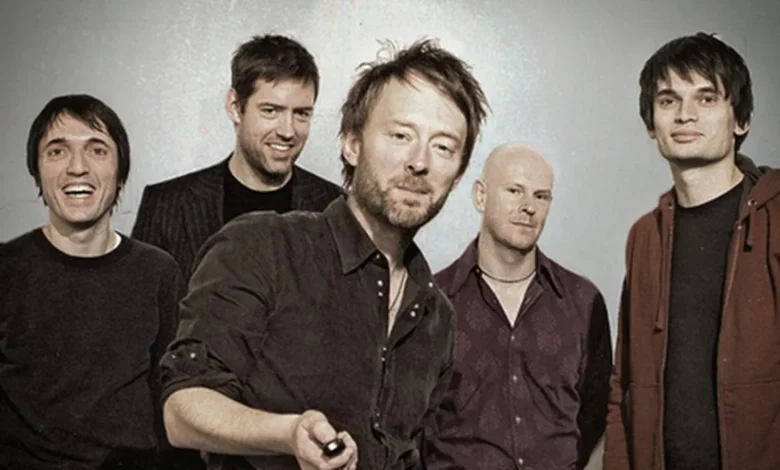
"They dug me my very own garden. Gave me sunshine, made me happy." This evocative opening line from Radiohead’s "Nice Dream" immediately immerses listeners in a serene yet fragile soundscape, hinting at a deeper narrative. Released as the sixth track on their seminal 1995 album The Bends, "Nice Dream" serves as a poignant exploration of illusion, solace, and the often-painful collision with reality. Despite not being a single, the track has carved a special place in the hearts of fans and critics alike, lauded for its delicate acoustic introduction that gradually unravels into an intense, emotionally charged distortion. This article delves into the intricate layers of "Nice Dream," dissecting its lyrics, unearthing its backstory, analyzing its musical architecture, and examining its enduring cultural and psychological impact.
The Genesis of a Dream: Crafting The Bends
To fully appreciate "Nice Dream," it’s crucial to understand the context of its creation. The Bends emerged during a pivotal period for Radiohead. Following the unexpected global success of "Creep" and their debut album Pablo Honey (1993), the band found themselves grappling with newfound fame, creative pressures, and the desire to evolve beyond the "one-hit wonder" label. The Bends, released on March 13, 1995, was a defiant artistic statement, showcasing a more complex, emotionally raw, and musically adventurous sound. It cemented Radiohead’s reputation as innovators in the alternative rock landscape, pushing boundaries while maintaining a profound connection with their audience. "Nice Dream," nestled within this critically acclaimed album, contributes significantly to its overarching themes of alienation, introspection, and the search for authenticity in a superficial world.
Lyrical Odyssey: Decoding "Nice Dream"
Thom Yorke’s lyrics for "Nice Dream" are a masterclass in poetic vulnerability, meticulously crafted to convey a deep sense of yearning and eventual disillusionment. Each line feels like a hushed confession, revealing a narrator seeking refuge from a harsh reality within a self-constructed fantasy.
Verse 1: The Illusion of Acceptance
They love me like I was a brother
They protect me, listen to me
They dug me my very own garden
Gave me sunshine, made me happy
This opening verse paints a utopian picture. The narrator describes finding an idealized community, a surrogate family that offers unconditional love, protection, and genuine attention. The imagery of "my very own garden" and "sunshine" symbolizes a safe, nurturing space—a mental sanctuary where the narrator feels cherished and at peace. It speaks to a universal human desire for belonging and acceptance, especially when feeling estranged from the real world. This initial tranquility is almost unsettling in its perfection, hinting at its ephemeral nature.

Pre-Chorus / Chorus: The Cracks in Reality
Nice dream, nice dream, nice dream
The repetition of this phrase acts as both a lullaby and a stark, sobering realization. It’s a self-aware whisper, acknowledging that the idyllic scenes just described are, in fact, nothing more than a beautiful dream. This repetitive mantra introduces the first crack in the illusion, subtly signaling the impending return to a less hospitable reality. It’s the moment the subconscious starts to bleed into consciousness, questioning the authenticity of the warmth experienced.
Verse 2: The Echo of Despair
I call up my friend, the good angel
But she’s out with her ansaphone
She says she would love to come help but
The sea would electrocute us all
This verse plunges the listener into profound despair. The narrator’s attempt to reach out for help to a "good angel" is met with the impersonal barrier of an answering machine. The subsequent, absurd excuse—that "the sea would electrocute us all"—serves as a powerful metaphor for the overwhelming and illogical dangers perceived in the external world. It signifies a profound sense of isolation and the futility of seeking genuine connection or aid when faced with insurmountable, irrational fears. The outside world is not just indifferent; it’s actively hostile and incomprehensible.
Outro: An Existential Challenge
If you think that you’re strong enough
If you think you belong enough
The song concludes with a chilling, existential challenge. These lines directly question the listener’s resilience and sense of belonging. Are we truly strong enough to confront the brutal realities of life? Do we truly feel worthy of our place in the world, or are we constantly seeking refuge in our own "nice dreams"? It’s a direct interrogation of self-worth and the capacity to face harsh truths without succumbing to despair.

Poetic Devices and Imagery
The emotional power of "Nice Dream" is amplified by Thom Yorke’s skillful use of poetic devices:
- Metaphor: The "garden" represents a personal sanctuary, a mental construct of safety and happiness. The "good angel" is a metaphor for a source of comfort or salvation, while the "ansaphone" symbolizes failed communication and isolation.
- Symbolism: "Sunshine" symbolizes joy and warmth; the "sea" represents the dangerous, unpredictable external world.
- Juxtaposition: The stark contrast between the serene, loving imagery of the first verse and the bleak, isolated reality of the second verse creates a powerful emotional tension.
- Irony: The "nice dream" itself is ironic; it’s a beautiful illusion that ultimately highlights the painful reality it seeks to escape.
Behind the Velvet Curtain: Production and Inspiration
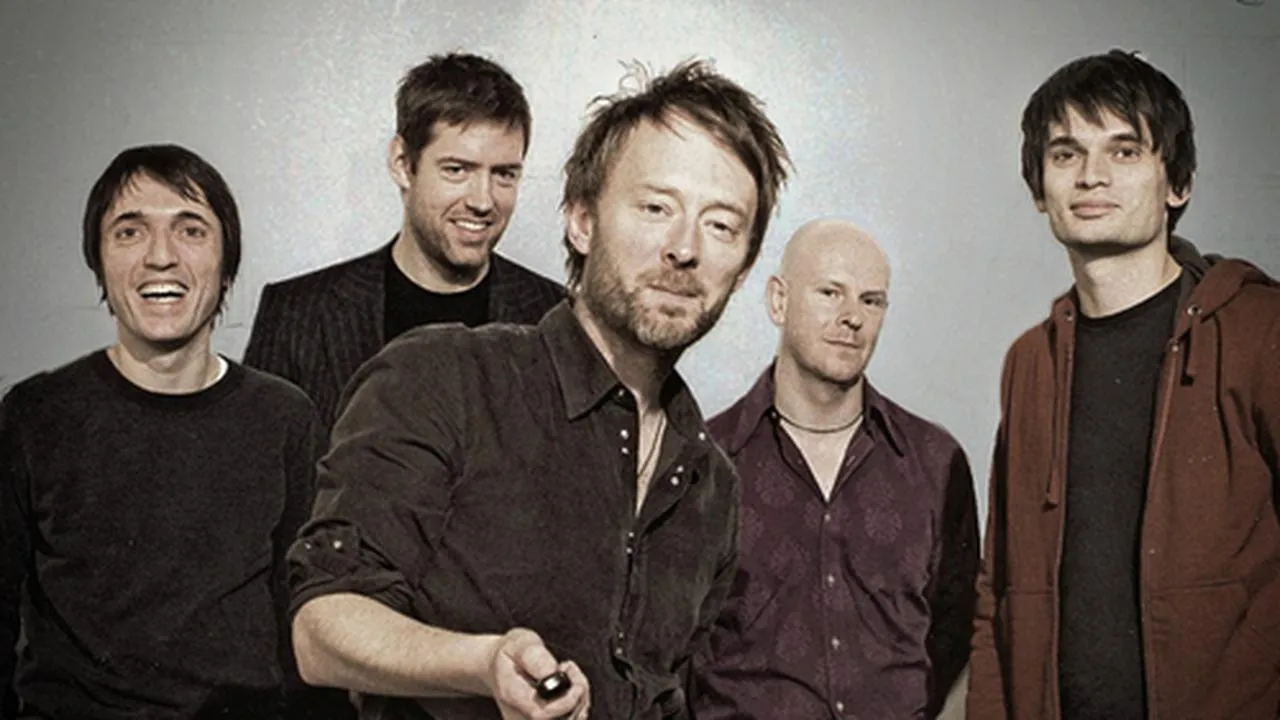
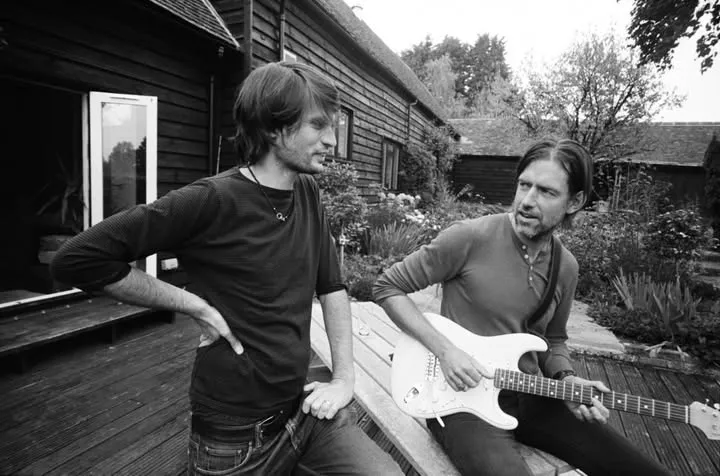
The creation of "Nice Dream" is as unique as its lyrical content. According to accounts from the band and producer John Leckie, the song was recorded on a bright July day at the Manor Studio in Oxfordshire. The core of the track originated from an unusual setup: all five members of Radiohead — Thom Yorke, Jonny Greenwood, Colin Greenwood, Ed O’Brien, and Philip Selway — sat together on the studio’s outdoor terrace, each playing an acoustic guitar simultaneously.
Leckie’s initial vision for the song was inspired by the ethereal, communal feel of George Harrison’s "My Sweet Lord," particularly its layered vocal harmonies and sense of spiritual uplift. He aimed to capture a similar "angelic" quality and the mysterious ambiance of the garden described in Yorke’s nascent lyrics, which had reportedly been in development since around 1992.
A crucial element that almost didn’t make it into the final mix was the string arrangement, featuring cello and violin. Thom Yorke initially expressed reluctance, wary that Leckie had recently used string instruments for Ride, a band often considered their contemporary rival. This competitive streak within the burgeoning alternative scene highlights the artistic tensions of the era. Fortunately, Leckie and the band ultimately decided to retain the strings, recognizing their vital contribution to the song’s melancholic beauty and emotional depth. These string parts, subtly weaving through the acoustic guitars before swelling with the electric distortion, became integral to the track’s distinct character, adding a layer of sophisticated pathos that elevates it beyond a simple rock ballad.
Thematic Core: Escapism, Isolation, and Mental Fragility
The dominant theme in "Nice Dream" is existential escapism—a profound yearning to retreat from a world that feels overwhelming or hostile. The song speaks directly to anyone who has ever felt alienated or disconnected from their surroundings. It serves as a stark reflection on the fragility of the human psyche and our innate tendency to construct elaborate mental "gardens" as a coping mechanism.
In an increasingly complex and often isolating modern society, the phenomenon of "loneliness in a crowd" has become a pervasive ailment. "Nice Dream" articulates this contemporary malaise, suggesting that for many, dreaming or creating an internal fantasy world is not merely a luxury but a fundamental strategy for survival. The song acts as a sonic mirror, reflecting the internal struggles of individuals seeking solace when external reality proves too harsh or unforgiving. It’s a testament to the power of the mind to create temporary havens, even while acknowledging their inherent impermanence.
Unveiling the Cryptic: Hidden Meanings and Cultural References
One of the most intriguing aspects of "Nice Dream" lies in its subtle yet profound cultural references, particularly the seemingly absurd line: "The sea would electrocute us all." This line, often a point of fascination for fans, is a direct allusion to Kurt Vonnegut’s satirical science fiction novel, Cat’s Cradle (1963).
In Vonnegut’s novel, ice-nine is a fictional polymorph of water that solidifies at room temperature, capable of instantly freezing any body of water it touches, leading to an apocalyptic scenario. Thom Yorke, a known admirer of Vonnegut’s work, was deeply affected by this concept of a silent, instant, and catastrophic global freeze. The act of "putting a finger in the ocean" in the context of ice-nine would indeed mean instant death. This reference amplifies the song’s theme of an overwhelmingly dangerous and unpredictable external world, where even the most benign elements (like the sea) can harbor hidden, catastrophic threats.
Furthermore, the "ansaphone" (answering machine) serves as a potent symbol of modern communication breakdown. Released in 1995, an era preceding widespread internet and mobile phone adoption, the answering machine represented a nascent form of mediated communication. For the narrator, being met by an ansaphone rather than a direct human voice underscores the increasing difficulty of achieving genuine emotional connection and real-time support, even when ostensibly "connected." In the digital age, this symbolism resonates even more deeply, as countless platforms offer superficial connection while authentic emotional succor remains elusive. Online forums and fan communities often discuss how this line foreshadowed the digital isolation many experience today.
The Echo in the Soul: Psychological Resonance
Why does "Nice Dream" resonate so profoundly and personally with so many listeners? Psychologically, the song functions on multiple levels, triggering deep emotional responses. It often evokes a profound sense of nostalgia for a feeling of safety, real or imagined, and simultaneously acts as a powerful coping mechanism. Listeners grappling with grief, trauma, or a pervasive sense of social rejection frequently find solace in its narrative.
The illusion of "they love me like I was a brother" becomes incredibly addictive when the real world feels judgmental or indifferent. This false sense of security is particularly relevant for younger generations who often report feeling isolated despite constant digital connectivity. The pressures of modern life, the constant comparisons, and the overwhelming flow of information can lead to a pervasive desire to retreat. "Nice Dream" offers a virtual embrace to weary souls, articulating unspoken anxieties about belonging and acceptance. Yet, this embrace also carries a subtle warning: while escapism can offer temporary relief, one cannot hide from reality indefinitely. The visceral transition from gentle acoustics to abrasive distortion serves as a musical representation of this forced awakening, a moment many listeners describe as profoundly moving, often leading to tears as the beautiful hope shatters.
Sonic Architecture: A Musical Deconstruction
Musically, "Nice Dream" is a testament to Radiohead’s genius in translating complex emotions into sound. It expertly blends elements of alternative rock with dream pop and subtle psychedelic undertones. The song begins with delicate acoustic guitar arpeggios, establishing a serene, almost lullaby-like atmosphere that perfectly complements the opening lyrics. This initial tranquility is, however, a deceptive calm.
As the song progresses, a slow build-up of intensity begins. The critically acclaimed analysis often highlights the climactic explosion delivered by Jonny Greenwood’s electric guitar. His signature distorted, often jarring, guitar work crashes into the peaceful arrangement, representing the brutal intrusion of reality into the dreamscape. This sonic shift is not merely a change in volume but a dramatic emotional upheaval.
Thom Yorke’s vocal performance is equally critical. His thin, almost fragile falsetto in the early verses enhances the sense of vulnerability and pleading, as if he is begging the dream not to end. As the music intensifies, his voice gains a desperate edge, mirroring the panic of being forcibly awakened. The dynamic contrast, from whisper-quiet introspection to roaring, chaotic intensity, is a masterful sonic representation of the psychological journey from peaceful illusion to harsh reality. Philip Selway’s drums, initially understated, become more forceful and frantic in the latter half, adding to the growing sense of anxiety and distress. This sophisticated arrangement underscores Radiohead’s unparalleled ability to craft music that is both intellectually stimulating and deeply emotionally resonant.
Visualizing the Unseen: Cinematic Imagination
Despite never having an official music video, the lyrical narrative of "Nice Dream" is inherently cinematic, inviting listeners to construct their own vivid mental imagery. If visualized, the opening scenes would likely feature warm, golden lighting, perhaps a hazy, dreamlike filter, with a chromatic palette of bright, nurturing colors representing the garden and sunshine. The camera might slowly pan across a tranquil, idyllic landscape, reflecting the narrator’s sense of peace and belonging.
However, as Jonny Greenwood’s distortion slices through the soundscape, the visual composition would undergo a dramatic, jarring transformation. The lighting would shift to stark, high-contrast shadows, dominated by cool, desaturated colors—blues, grays, and blacks. The serene garden might suddenly wither, or be engulfed by a stormy, turbulent sea, symbolizing the collapse of the illusion and the harshness of reality. This imagined visual transition aligns perfectly with Radiohead’s often melancholic and surreal artistic aesthetic, which frequently explores themes of anxiety, alienation, and dystopian realities. The surreal, almost nihilistic beauty of such imagery would powerfully amplify the song’s underlying message.
Enduring Legacy: Impact and Cultural Footprint
While "Nice Dream" was not a single, its impact, both as part of The Bends and as a standalone track, cannot be overstated. The Bends itself is widely regarded as one of the most important albums of the 1990s, fundamentally altering the landscape of alternative rock and influencing countless bands that followed. Publications like Liputan6.com, echoing global critical consensus, have consistently placed The Bends on lists of the greatest albums of its era.
"Nice Dream" has found its way into popular culture, extending its reach beyond dedicated Radiohead fans. Notably, it was featured in an emotionally charged scene during the third season finale of the critically acclaimed television series How I Met Your Mother. Its inclusion underscored a moment of profound introspection and emotional reckoning for the characters, demonstrating the song’s capacity to evoke universal feelings of longing and disillusionment.

In the modern digital age, snippets of "Nice Dream" occasionally go viral on platforms like TikTok. These audio clips are frequently used in user-generated content that explores themes of harsh realities, shattered expectations, or the bittersweet nature of dreams. This enduring relevance, decades after its release, is a testament to the song’s timeless exploration of existential heartbreak and the universal human condition—a language understood across generations and cultural divides. Its ability to articulate complex emotional states ensures its continued resonance and enduring place in popular consciousness.
Beyond the Dream: Related Tracks for the Discerning Listener
For those who appreciate the melancholic beauty, existential introspection, and atmospheric soundscapes of "Nice Dream," several other songs and artists offer similar emotional and musical experiences. These tracks often delve into themes of alienation, mental fragility, and the search for meaning or escape:
- Radiohead – "Fake Plastic Trees" (from The Bends, 1995): Another seminal track from the same album, offering a more direct, yet equally poignant, critique of superficiality and consumerism, with a similar emotional build-up.
- Radiohead – "High and Dry" (from The Bends, 1995): A gentler, more overtly melancholic ballad that speaks to feelings of being abandoned and adrift.
- Jeff Buckley – "Hallelujah" (from Grace, 1994): While a cover, Buckley’s rendition embodies a similar raw vulnerability and emotional intensity, exploring themes of love, loss, and faith with a haunting beauty.
- The Smashing Pumpkins – "Disarm" (from Siamese Dream, 1993): A string-laden, intensely personal song about childhood trauma and feeling alienated from family, featuring a similar acoustic-to-orchestral dynamic.
- R.E.M. – "Everybody Hurts" (from Automatic for the People, 1992): A classic anthem of solidarity in sadness, offering comfort to those feeling overwhelmed and alone, much like the empathetic undertones of "Nice Dream."
- Sigur Rós – "Hoppípolla" (from Takk…, 2005): While more overtly optimistic, Sigur Rós’s work often shares Radiohead’s ability to build grand, emotionally resonant soundscapes, moving from delicate to soaring, reflecting a sense of wonder and escape.
- Elliott Smith – "Waltz #2 (XO)" (from XO, 1998): Known for his intimate, melancholic acoustic style and deeply introspective lyrics, Smith’s music often explores themes of vulnerability and disillusionment.
- The National – "Fake Empire" (from Boxer, 2007): While different in style, The National often crafts narratives of quiet desperation and disillusionment with modern life, echoing the existential weariness found in "Nice Dream."
These recommendations provide a pathway for listeners to explore similar emotional landscapes and intricate musical craftsmanship.
Frequently Asked Questions (FAQ)
Who created the song "Nice Dream"?
"Nice Dream" was a collective creation by all members of Radiohead. Thom Yorke is credited as the primary lyricist, with early drafts of the lyrics reportedly dating back to 1992, showcasing a long gestation period for this emotionally complex piece.
What is the meaning of the lyric "the sea would electrocute us all"?
This lyric is a direct literary reference to Kurt Vonnegut’s 1963 science fiction novel, Cat’s Cradle. In the book, ice-nine is a fictional substance capable of instantly freezing all water on Earth. The line symbolizes an extreme, almost irrational fear of the outside world, portraying nature itself as a source of instant, unpredictable, and catastrophic danger, making genuine interaction impossible.
On which album was "Nice Dream" released?
"Nice Dream" is the sixth track on Radiohead’s second studio album, The Bends. This iconic album, which significantly elevated Radiohead’s critical and commercial standing, was officially released on March 13, 1995, marking a pivotal moment in the band’s artistic evolution.

What are the main themes of "Nice Dream"?
The primary themes of "Nice Dream" include existential escapism, the search for solace in illusion, the pain of social isolation, and the fragility of mental well-being when confronted with harsh realities. It explores the human tendency to create internal safe havens as a coping mechanism.
How does "Nice Dream" contribute to The Bends‘ legacy?
"Nice Dream" contributes to The Bends‘ legacy by showcasing Radiohead’s capacity for deep emotional introspection and musical dynamism. It reinforces the album’s overall themes of alienation and disillusionment, highlighting the band’s artistic maturity and their ability to craft non-single tracks that are equally profound and impactful, solidifying their reputation as innovative alternative rock artists.